A majority of the American public, polls suggest, have been against the ongoing US-Israeli military campaign in Iran from the day it started. Republicans, however, have largely stuck by their president as the war approaches the end of its fourth week. But that may be changing.
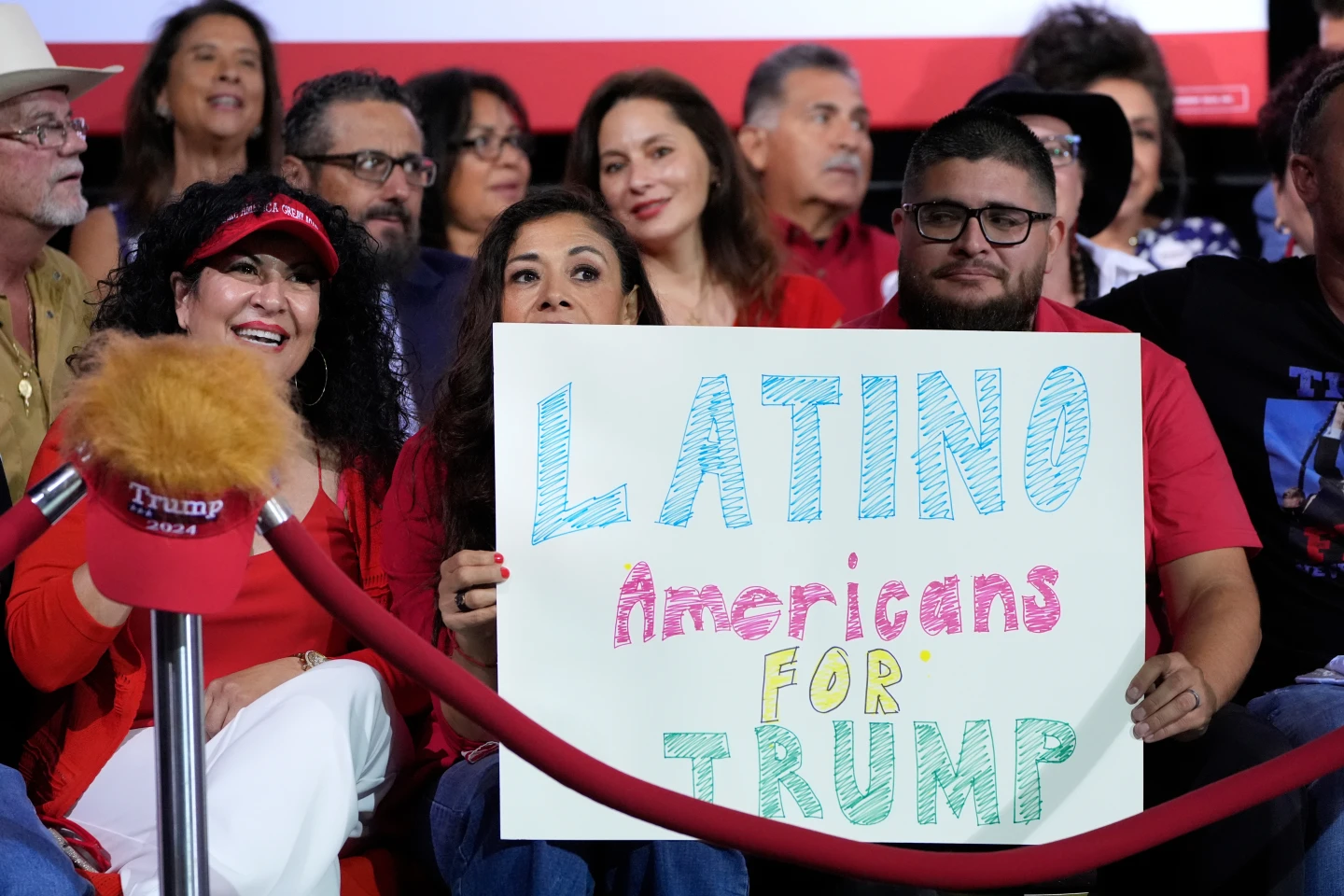
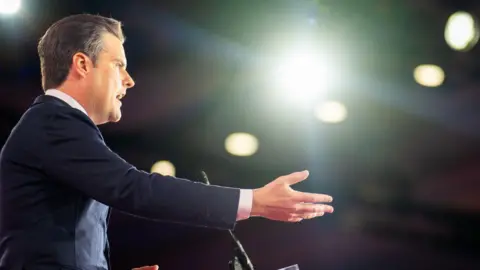
At the annual Conservative Political Action Conference (CPAC) in Texas, some of the party faithful expressed concern about why the US started this war, how Donald Trump is going to end it and whether the effort has been worth the costs. I just wish that there was more transparency on why we're doing what we're doing, said Samantha Cassell.
Similar sentiments were echoed by college students Toby Blair and Shashank Yalamanchi, who attended the CPAC. They voiced concerns over America's role in overseas conflicts, citing domestic issues that require attention and resources.
Older conservatives like Michael Manuel-Reaud viewed the threat posed by Iran positively, asserting, If there's a threat for the United States getting bombed with a nuclear bomb, who can say no to that? This dichotomy reflects the growing generational divide among conservatives regarding foreign policy.
The CPAC event showcased this tension, with younger Republicans advocating for a non-interventionist approach while their older counterparts supported active military engagement. This divide may prove significant as upcoming elections approach, with young voters becoming crucial to the Republican coalition.
With a significant proportion of young Republicans showing lukewarm support for Trump's war efforts, the looming question remains: could this shift in opinion among younger conservatives affect voter turnout and enthusiasm in future elections?