Germany Reverses Military Approval Requirement for Men Under 45 Traveling Abroad
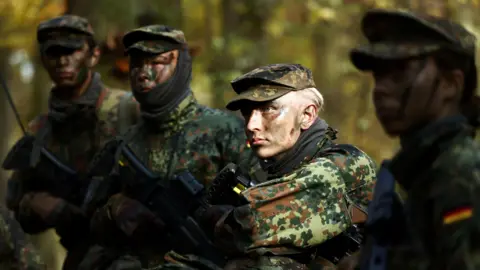
Germany's Defence Minister Boris Pistorius has announced that men of military age will no longer need to report lengthy stays abroad. This decision comes after growing concern following the introduction of the Military Service Modernisation Act, which intends to bolster military defenses in the wake of Russia's invasion of Ukraine.
Initially, the law, which came into effect on January 1, required males aged 17 and older to seek prior approval for overseas stays longer than three months. However, this requirement gained public attention only recently, sparking debate over potential implications for personal freedoms.
Pistorius confirmed that the requirement for reporting lengthy trips is now suspended, stating, Whether they are 17 or 45, or anywhere in between – everyone is, of course, free to travel and currently does not need permission to do so. He emphasized that during peacetime, bureaucratic obstacles should not hinder an individual's right to travel.
This regulatory adjustment reflects Germany's strategic approach to military readiness while prioritizing civil liberties. Pistorius reassured that protocols will be established should a crisis necessitate the revocation of voluntary service as the primary recruitment method.
The Military Service Modernisation Act fundamentally revives the concept of conscription, which would only be activated if voluntary enlistment does not suffice. The initiative reveals Chancellor Friedrich Merz’s ambition to position Germany as possessing Europe's most formidable conventional military force.
As part of the revamped military recruitment strategy, all 18-year-olds in Germany are now receiving questionnaires gauging their interest in joining the armed forces, a move mandatory for men and optional for women. Starting in July 2027, all male citizens will undergo a medical examination to evaluate their eligibility for future military service.
Germany is navigating a critical juncture as it strengthens its military defenses amid changing geopolitical landscapes.