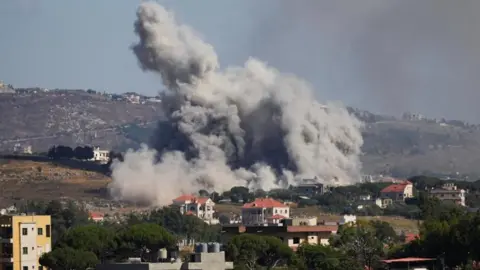
An Orthodox Easter truce agreed by Russia and Ukraine came into force on Saturday afternoon. However, just 38 minutes later, air raid sirens were heard in the Kharkiv region of north-eastern Ukraine, marking a grim reminder of the ongoing violence.
Multiple ceasefire violations have been reported along the frontline, though no long-range missile or drone strikes were recorded during this temporary pause in fighting meant to last until Easter Monday.
Easter should be a time of safety, a time of peace, warned Ukraine's President Volodymyr Zelensky, urging vigilance among Ukrainian forces in response to any actions from Moscow. The cautious atmosphere reflects low expectations for the tranquility expected during the holiday.
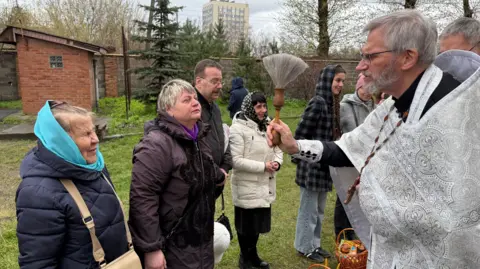
As families gathered at churches for blessings of their Easter baskets filled with traditional foods, the specter of past betrayals loomed large. Skepticism about the sincerity of a lasting truce pervaded conversations, with concerns that Russia might intensify its attacks post-truce, as suggested by parishioners and military leaders alike.
Soldiers at military training grounds continued preparations, aware that even as a ceasefire was announced, readiness for further conflict is paramount. The realities of war are stark in the regions where rebuilding efforts clash with the memories of destruction.
Despite a brief pause, the sentiments of those affected by the conflict reveal deep yearning for peace, transcending temporary agreements. The call for genuine peace talks grows louder as uncertainty about the future remains.