Proposals to prohibit federal immigration agents from masking their faces have gained new life in states — thanks in part to a court ruling that blocked the nation’s first such law in California.
A little over a month after the California law was suspended, Washington state’s Democratic governor, Bob Ferguson, is set to sign a law limiting facial coverings on law enforcement officers that will take effect immediately, potentially setting a precedent for other states.
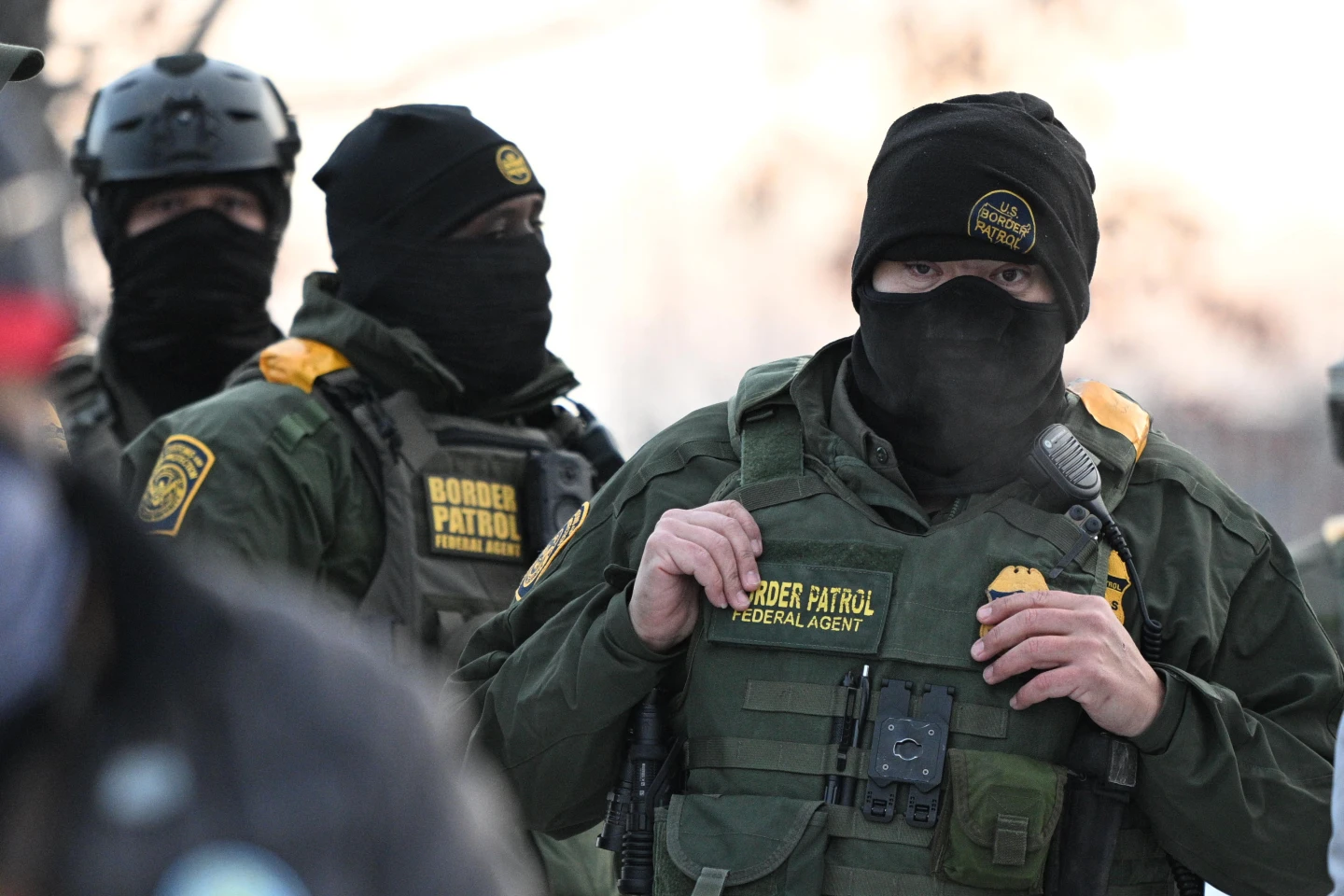
Similar anti-masking bills have received approval from Democratic-led legislatures in Oregon and Virginia and have passed at least one chamber in Hawaii, Maryland, and Vermont. These measures aim to challenge President Donald Trump’s immigration enforcement tactics, where some federal agents have worn masks during large-scale deportations, igniting concerns about accountability and aggression.
The Department of Homeland Security has denounced the new Washington state measure as irresponsible, reckless and dangerous. They stated, To be crystal clear: we will not abide by this unconstitutional ban.
The constitutionality of these measures is contested. A federal judge ruled this February that California’s mask ban unjustly discriminated against federal law enforcement by only targeting federal and local officers while exempting state-level law enforcement officers. Despite this setback, the ruling provided other states the encouragement to attempt their own restrictions.
The new Washington law effectively restricts facial coverings for all federal, state, and local law enforcement officers — a critical difference aimed at preventing discrimination claims against federal workers.
What’s prompting mask restrictions?
Though U.S. law enforcement officers do not typically wear masks, the Trump administration permitted individuals to do so as a means of protecting themselves from potential threats. Some protesters have also donned masks while demonstrating against immigration agents.
Lawmakers in California began pursuing the restriction following reports of federal agents wearing face coverings during enforcement actions in Los Angeles. In September, Democratic Governor Gavin Newsom became the first to sign a law prohibiting federal officers from hiding their identities.
Since then, more than 30 states have introduced legislation seeking to restrict face coverings worn by law enforcement. This includes a new California bill that aims to include state law enforcement officers in the mask ban.
Enforcement of new mask limits
Washington’s new measure bans law enforcement from wearing masks while engaging with the public, though exceptions allow for tactical officers and medical purposes. There are no specific penalties outlined for violations; however, people detained by masked officers could sue for damages.
In Virginia, officers who breach the ban may face misdemeanor charges. If their agency has a policy on facial coverings, violations would be addressed internally instead of facing state charges.
The debate surrounding these legislative efforts continues to be contentious, with some arguing that these restrictions could negatively impact the perception of law enforcement and their safety on the job. Discussions remain ongoing about transparency, identity protection, and the implications of camouflage for public safety.