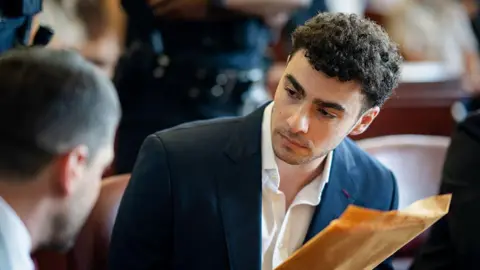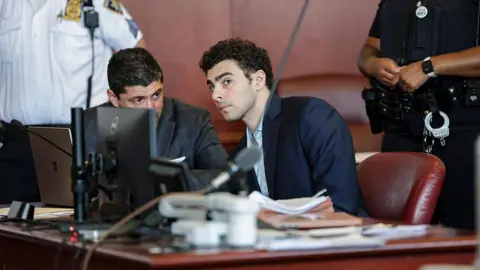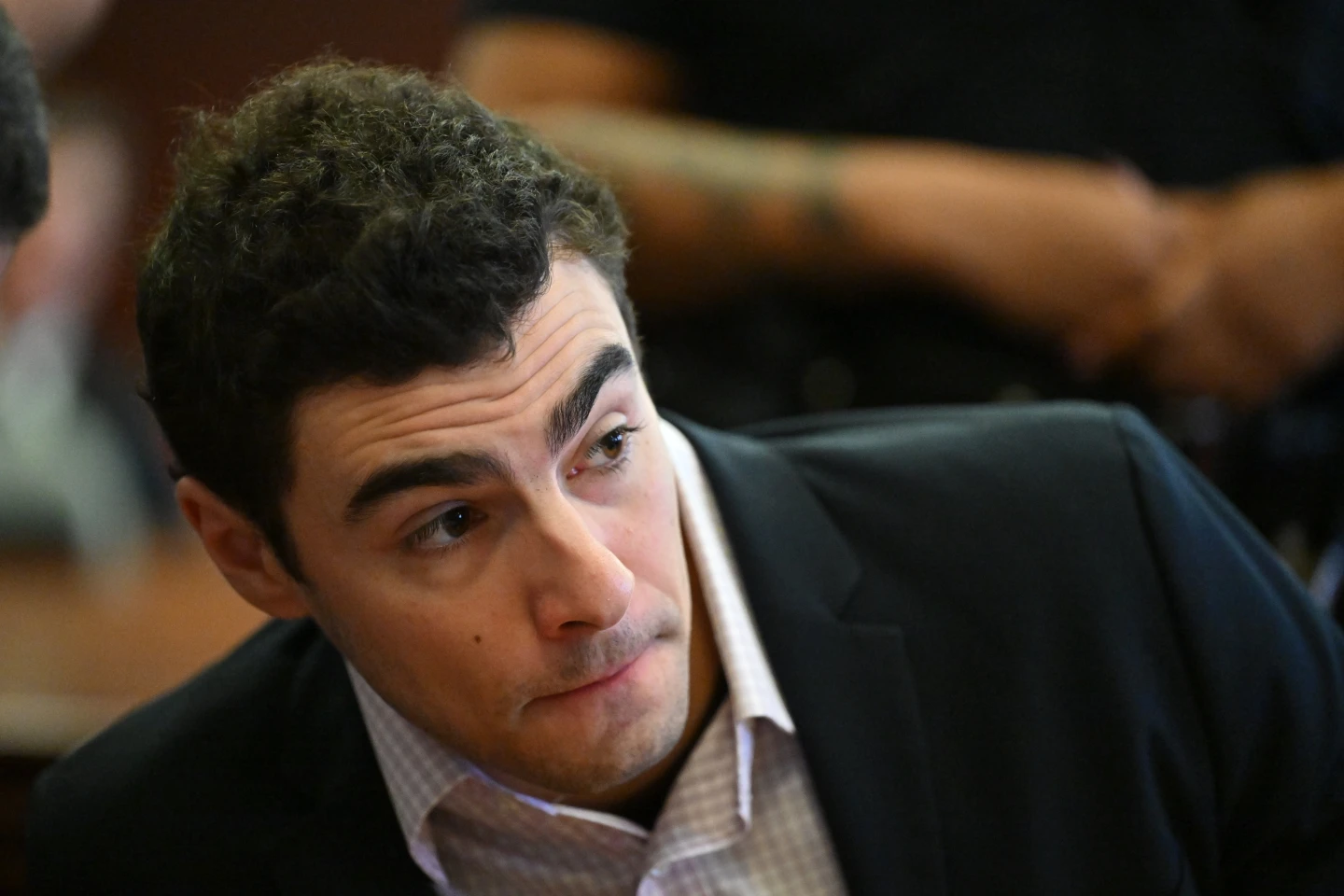
NEW YORK — A significant hearing continues today in the murder case against Luigi Mangione, accused of gunning down UnitedHealthcare CEO Brian Thompson just one year ago. This court session follows crucial motions that are expected to shape the trajectory of the case.
Mangione, 27, maintains a plea of not guilty to both state and federal charges related to the shooting. As the prosecution prepares its arguments, Mangione's defense attorneys are working proactively to prevent future jurors from learning about his alleged statements made to law enforcement and critical evidence claimed to be taken from his backpack, which includes a gun and a notebook.
Prosecutors argue that the 9 mm handgun seized matches the weapon used in the shooting, while writings in the notebook supposedly reveal Mangione's hostility towards health insurers and notions about harming a CEO during an investor conference. Additionally, they allege he provided Pennsylvania authorities the same fictitious name linked to the suspect.
Thompson, 50, was shot in the back as he walked towards an investor gathering on December 4, 2024. Having been appointed the CEO in 2021, he was a longstanding figure within UnitedHealth Group.
The ongoing hearings not only concern state charges but also shed light on integral testimonies, video evidence, 911 call audio, and documents impacting both criminal cases.
As the day progresses, expectations remain high regarding witness testimonies and further evidence clarifications.
Tuesday's court session showcased video footage from police body cameras revealing officers confronting Mangione in a McDonald’s and establishing him as a person of interest in Thompson's death. Despite attempting a casual conversation, officers ultimately arrested Mangione after he provided a false identity during questioning.
The prosecution will continue to defend the legality of its evidence collection, while the defense insists that both the statements and backpack contents should be deemed inadmissible based on procedural grounds [unlawful search claims]. These legal disputes are common in criminal proceedings, highlighting the tension between police protocol and individual rights.