In brief
As Iran continues one of the most extensive internet shutdowns in history, cutting off services to quell dissent, experts warn of potential long-term digital isolation. The situation evolved after the government aimed to stifle protest and scrutiny, with indications that existing restrictions could become permanent. Observers suggest that the Iranian regime is moving toward a system of tightly controlled internet access, similar to models seen in China and Russia.
Iran is 10 days into one of the most extreme internet shutdowns in history, with 92 million citizens cut off from all internet services and even disruption to phone and text messaging.
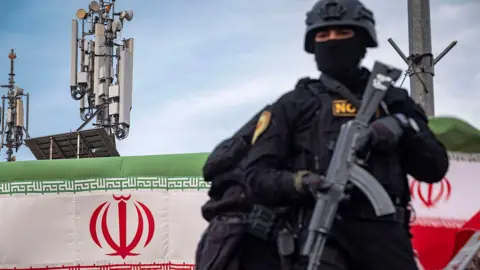
The Iranian government cut off services on 8 January, apparently to stifle dissent and prevent international scrutiny of a government crackdown on protesters.
Iranian Foreign Minister Abbas Araghchi stated that the internet was cut off in response to what he described as externally directed terrorist operations.
The government has yet to disclose when internet services will return, but there are reports suggesting a potential for permanent restrictions.
On January 15, news outlet IranWire reported that a government spokesperson indicated international web access would not be restored until at least the Iranian New Year in late March.
Internet freedom observers at FilterWatch assert that authorities might be hastily implementing new control measures to entirely cut Iran off from the international internet.
FilterWatch suggested there will be no expectation of restoring international internet access, and any subsequent access would not mirror pre-crackdown conditions.
Journalists working with BBC Persian echoed these sentiments, indicating that internet restoration is unlikely in the near future.
The history of Iranian internet control shows a consistent pattern, with most western social media apps blocked and external news websites inaccessible. Previously, many users accessed platforms like Instagram through Virtual Private Networks (VPNs).
Freedom campaigners argue that such shutdowns serve as tools for state violence and concealment of government abuses during protests, as evidenced during past nationwide shutdowns related to civil unrest.
This latest shutdown, however, has lasted longer than any prior incident and its implications are severe, impacting e-commerce and daily activities across the nation.
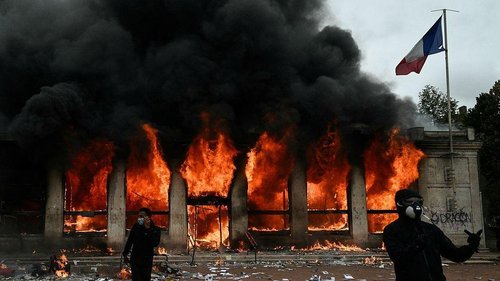
As of January 18, over 3,300 confirmed deaths and 24,266 arrests have been reported during the ongoing protests, although the actual numbers are likely higher.
Experts warn that the current situation could escalate into extreme digital isolation for Iran, where internet access would necessitate government approval under a tiered access system.
Similarly, this potential shift mirrors strategies employed in other authoritarian regimes like China and Russia, raising significant global concerns about the future of digital freedom in Iran.