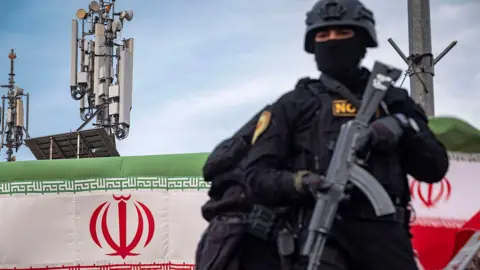
Iran is currently facing one of the most extreme internet shutdowns in history, now lasting over 10 days, which has left 92 million citizens cut off from all internet services, including disruptions to phone and text messaging.
The Iranian government executed the internet blackout on January 8, ostensibly to quell dissent and hinder international scrutiny of its crackdown on protests.
Iranian Foreign Minister Abbas Araghchi justified the move by alleging it was a response to externally directed 'terrorist operations.'
The administration has not indicated when internet services will be reinstated, but reports indicate the potential intention behind the scenes to impose these restrictions permanently.
On January 15, news outlet IranWire reported that a government representative noted international web access might remain unavailable until after the Iranian New Year in late March.
Internet freedom watchdogs at FilterWatch suggest the government is likely implementing new systems and regulations to isolate Iran digitally from the outside world.
'There should be no expectation of reopening international internet access,' they stated, illustrating serious concern for the future of digital communication in Iran.
Human rights groups assert this extended shutdown is a tactic to obscure state accountability during periods of public dissent, as seen in prior instances of mass protests in 2019 and 2022.
The implications are dire—economically, with e-commerce already reported to be severely impacted, and socially, as thousands of injuries and deaths remain unverified due to the blackout.
As of now, over 3,300 deaths and more than 24,000 arrests linked to ongoing protests have been documented, but the reality may be starkly worse due to the lack of communication channels.
Reports further suggest that if the Iranian regime continues on its current path, it may introduce a tiered system for internet access, mirroring operations in countries like China and Russia.
Starlink and other satellite internet options are complicating government control efforts, highlighting the ongoing struggle between state authority and the quest for digital freedom by the Iranian populace.