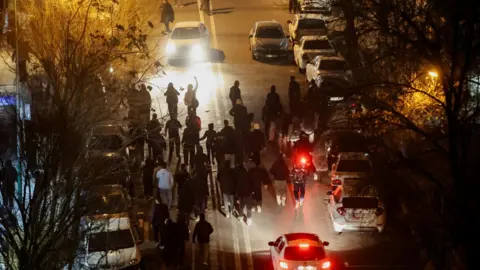
Iran's Protesters Share Harrowing Accounts of Violence and Loss
Young Iranians recount the brutal crackdown by security forces during recent protests, revealing the personal toll and escalating violence amidst demands for change.
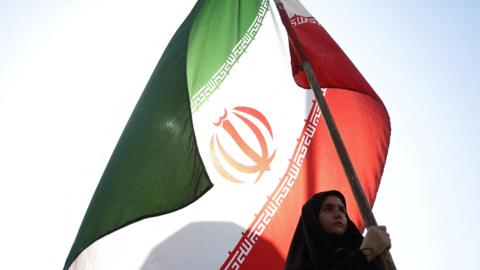
My friends are all like me. We all know someone who was killed in the protests, shared Parisa, a 29-year-old from Tehran, reflecting on the chilling reality many protestors face in light of the unrest. The Iranian government’s response to protests, which began on December 28, has reached unprecedented levels of violence, causing at least 6,000 deaths according to a human rights report.
Witnesses describe an environment overflowing with fear yet filled with courageous demands for justice. I had never seen anything even close to this level of turnout and such killings and violence by security forces, Mehdi, a 24-year-old participant, recounted, emphasizing the daunting risks shown by the thousands who chose to protest despite the lethality of state response.
The crisis accelerated dramatically during the last few weeks, converting peaceful displays into violent confrontations on January 8 when lethal measures were employed by authorities. On that night, they opened fire on the crowd without hesitation, Parisa recalled, noting the tense atmosphere heightened by recent confrontations. Additionally, accounts of a friend's tragic death due to a hail of bullets spotlight the grim acceptance of calculated violence faced by protesters.
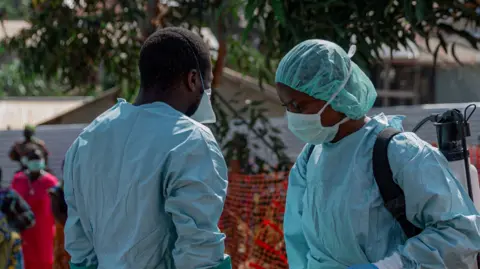
These grievous events have hindered many from accessing much-needed medical attention. Reports indicate heavy restrictions on internet communication, creating a disconnection from vital information amid escalating tension. Eyewitnesses like Sahar have described haunting scenes of injured civilians and children caught in the crossfire amidst confused civilians searching for safety.
The troubling trend of authorities refusing to return bodies of those killed under questionable circumstances has emerged, deepening the anguish of grieving families. Activists and relatives recount demands for payment in exchange for the remains or coerced misrepresentation of the deceased as members of security forces, showcasing a pattern of state-sanctioned suppression aimed at controlling narrative and undermining the protests.
As protests continue demanding change in a climate marred by violence, the international community watches with growing concern for human rights violations, urging a reevaluation of Iran’s approach to dissent. Amid this turmoil, the voices of young Iranians push toward a collective outcry for justice in their fight against oppression.