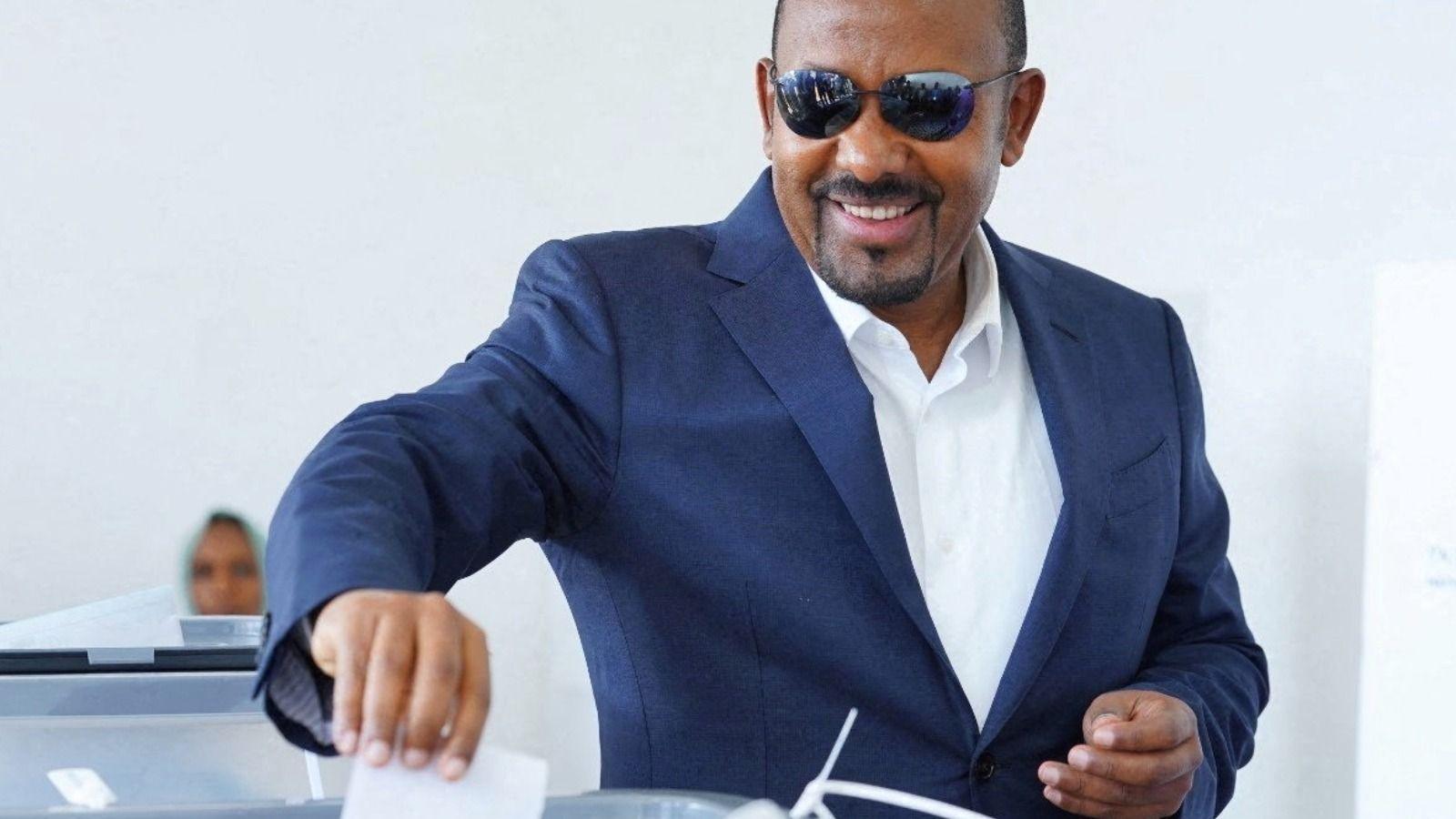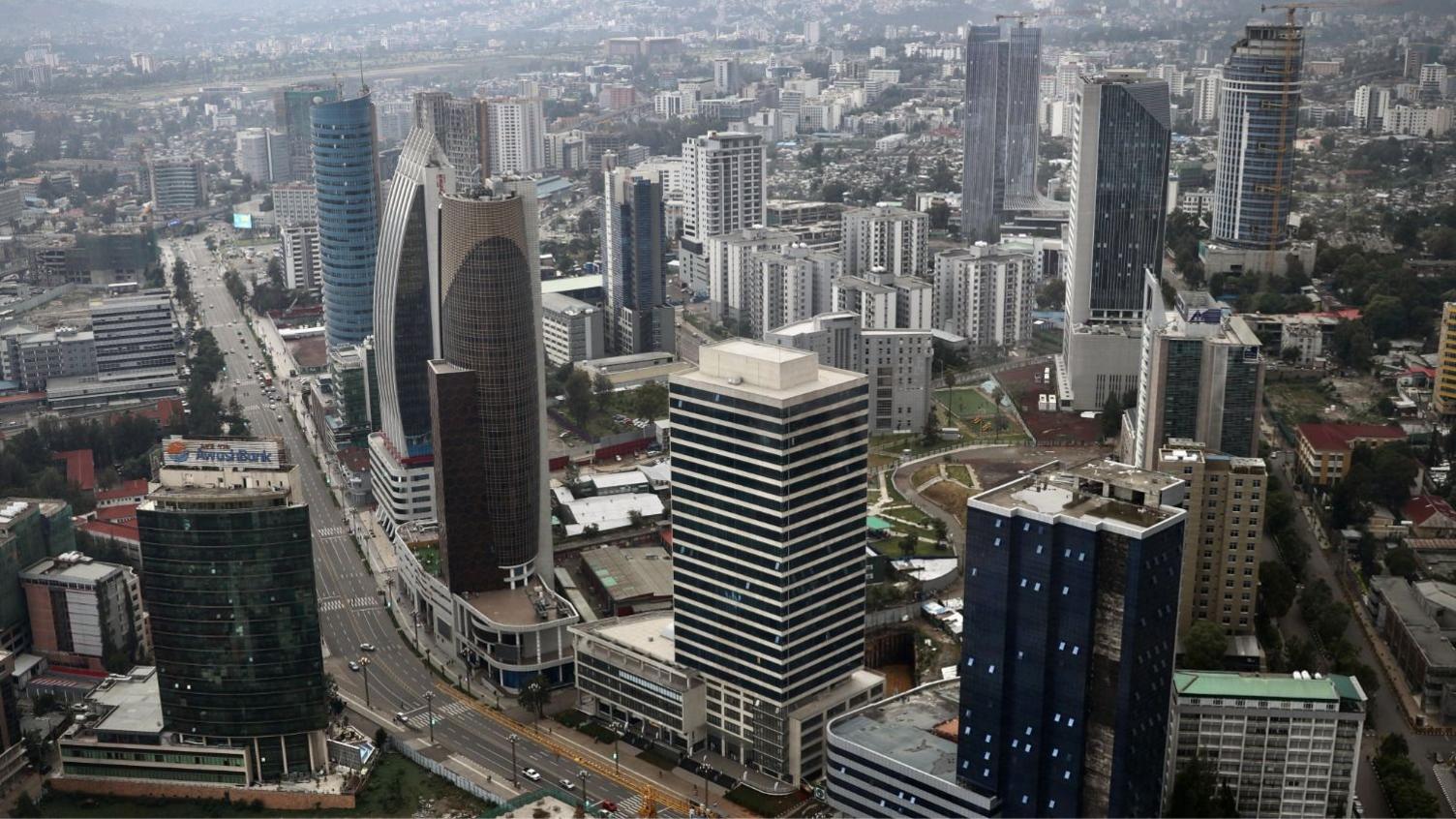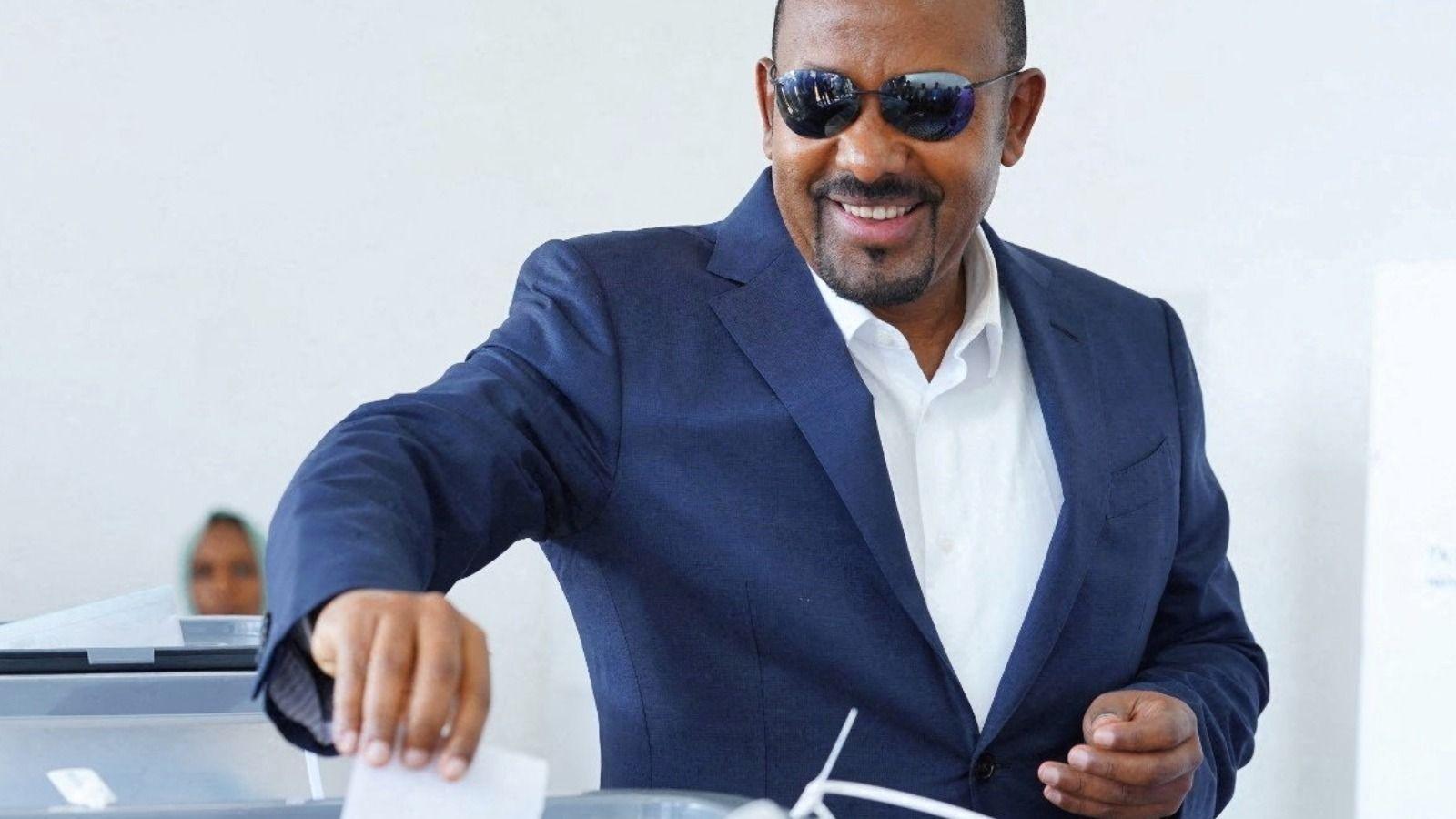
The 2026 Ethiopian general election produced a decisive victory for the Prosperity Party, which won 438 of the 501 contested parliamentary seats. Prime Minister Abiy Ahmed is set to be sworn in for a second term at the beginning of October.
Supporters of the ruling coalition see the landslide as proof that Abiy’s reform agenda and efforts to boost the economy are bearing fruit.
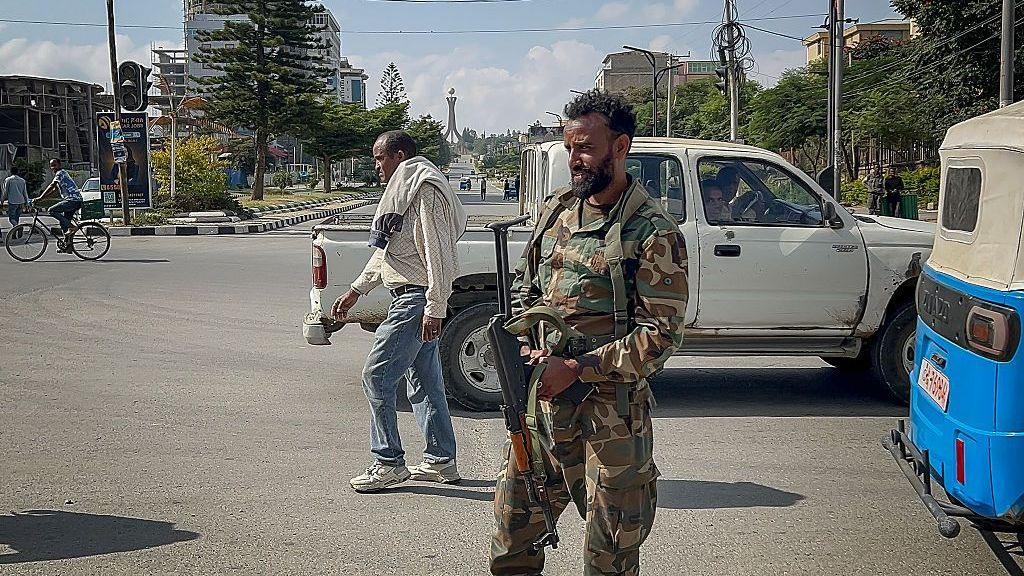
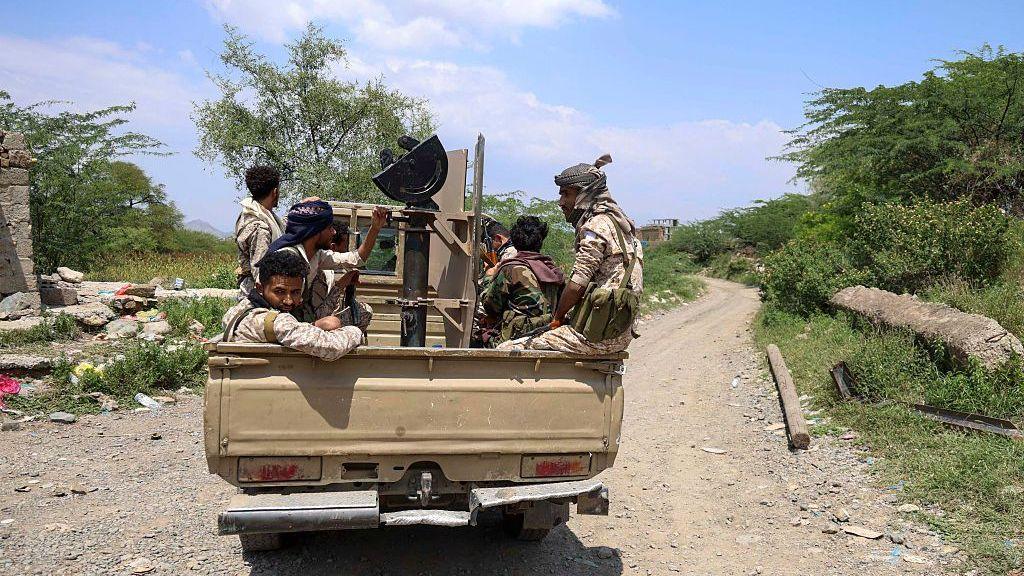
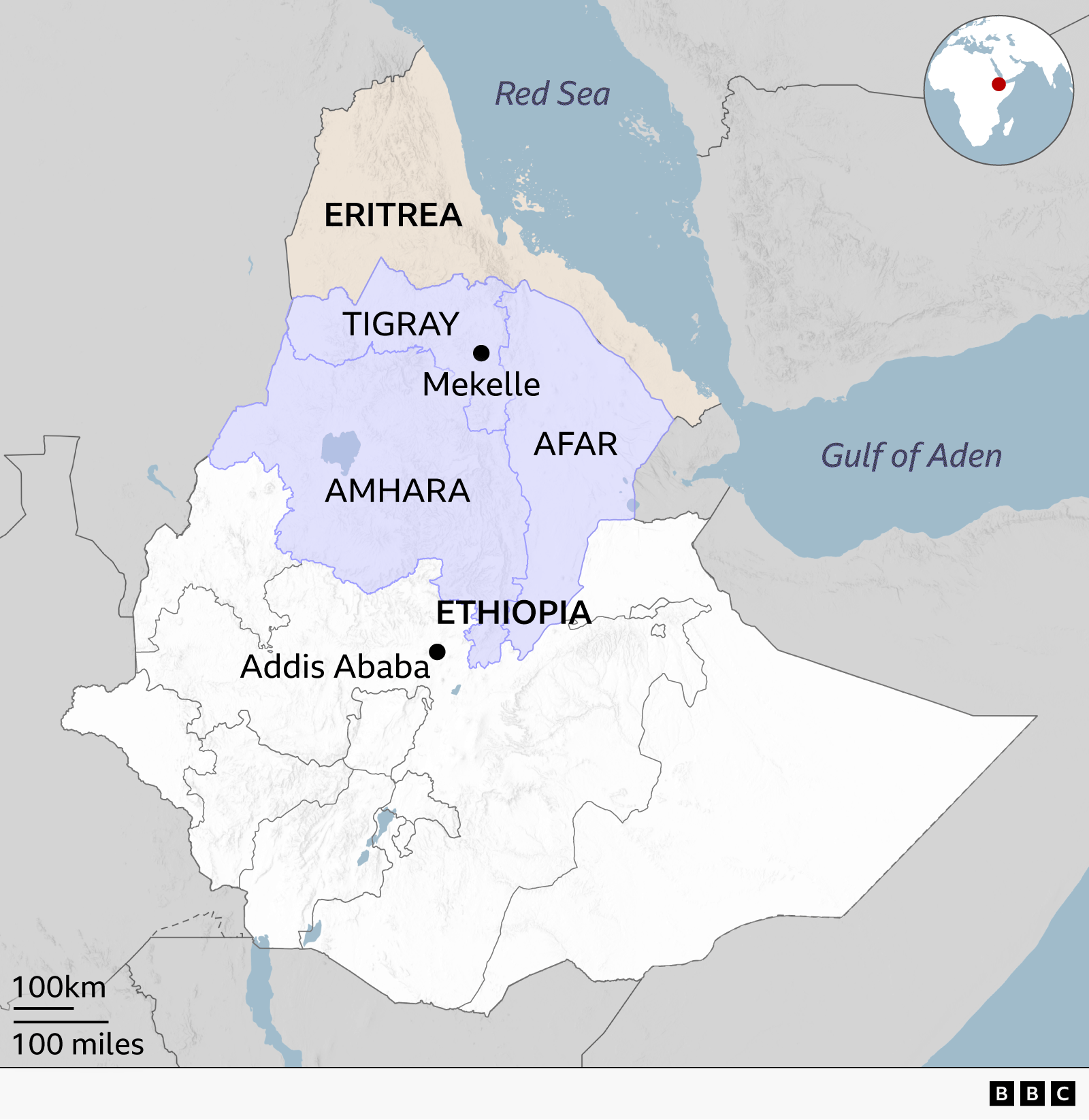
Yet the post‑election period is shadowed by fears of renewed violence. Armed factions in the Amhara region, led by the Fano militia, and the banned Oromo Liberation Army in Oromia denied the use of polling stations, citing security concerns.
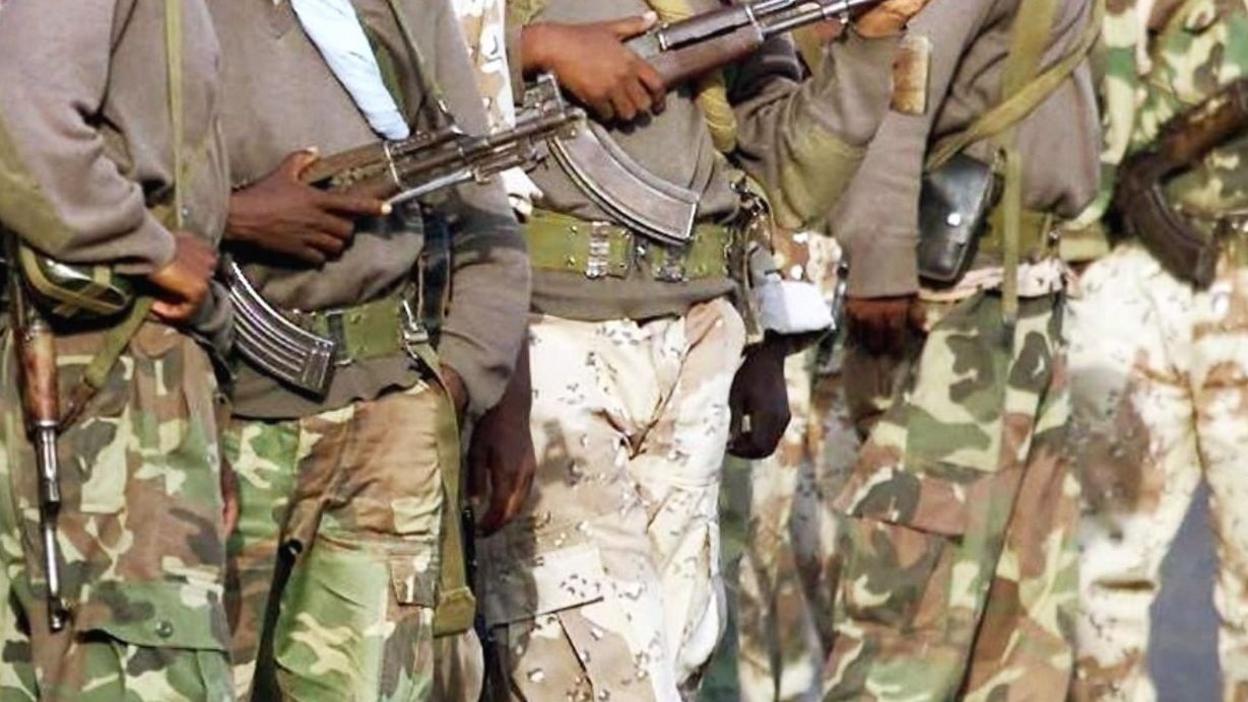
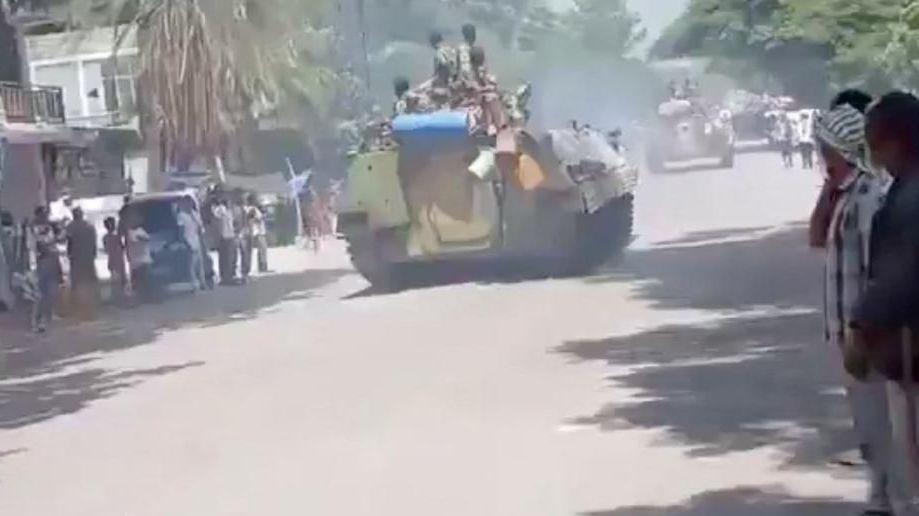
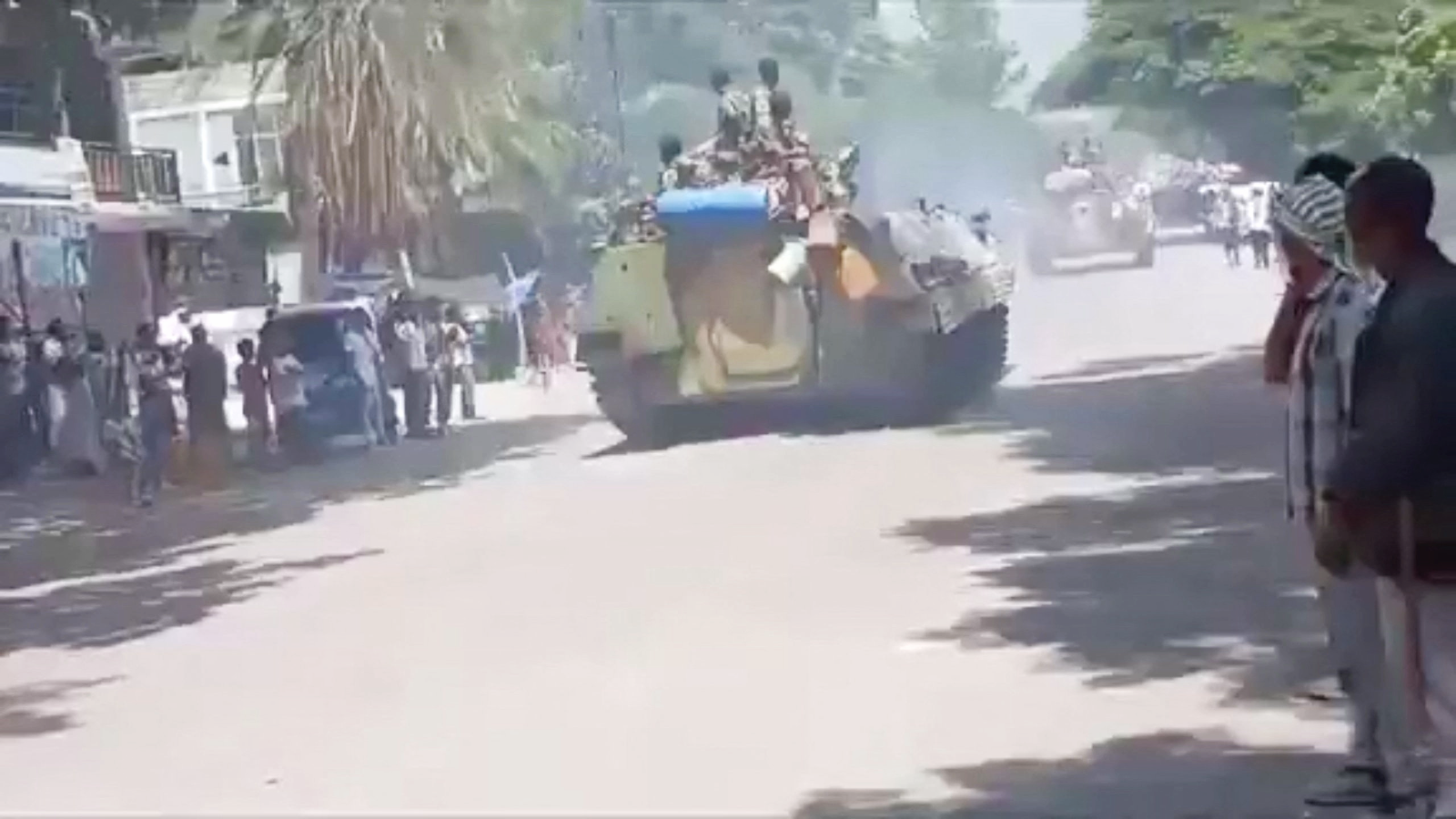
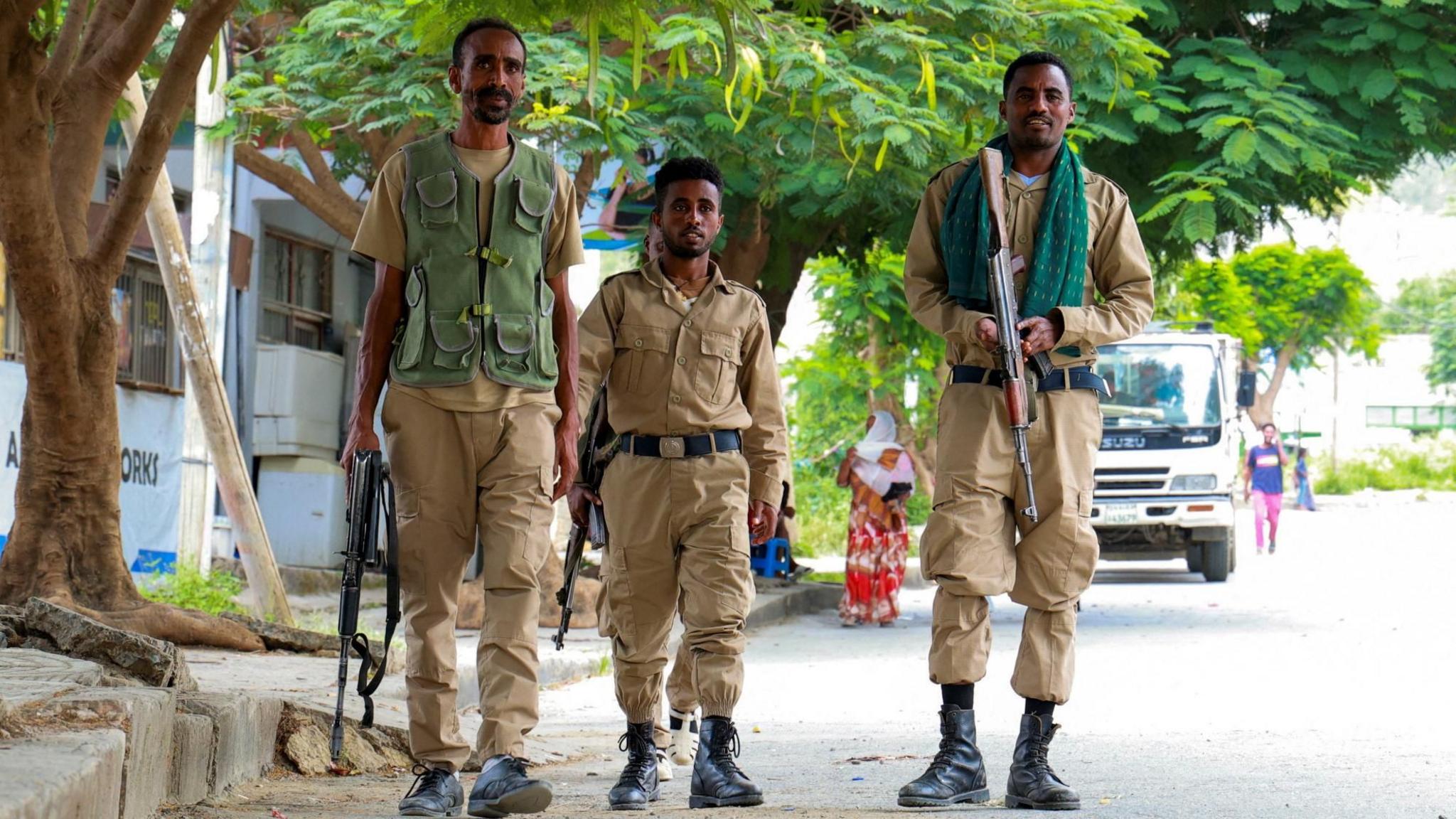
In Tigray—whose 6‑million residents and 38 constituencies were excluded from the ballot amid the risk of a new outbreak—armed crews in civilian clothes are reportedly recruiting youths into the Tigray People’s Liberation Front (TPLF).
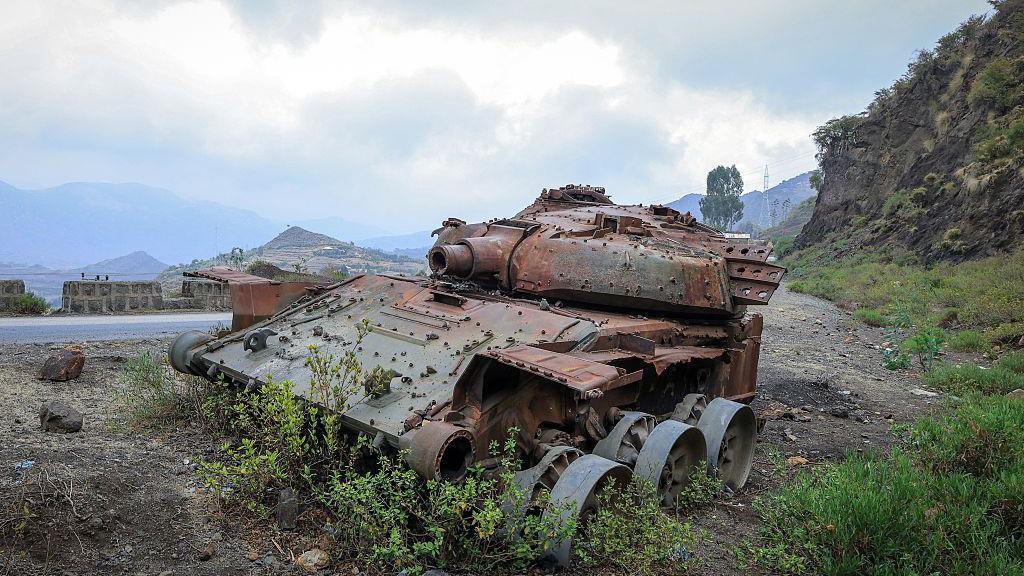
The conflict that ended two years ago in late 2022 left the region devastated; estimates suggest that 600,000 people died and famine has loomed ever since. The TPLF now holds de facto power in the north, but its relationship with Addis Ababa is uneasy, with each side accusing the other of violating the peace agreement.
Eritrea, long a co‑conflict partner to the defeated TPLF, has recently shifted its alignment to support Tigrayan forces. If Ethiopia’s borders maintain this close link with Eritrea and the ongoing conflict in Sudan, the risk of a regional spillover increases dramatically.
The European Union called for an immediate de‑escalation in northern Ethiopia, while the United States announced visa restrictions aimed at hard‑line TPLF members and their families. Both bodies emphasize that interference in the region could undermine peace.
Political analysts warn that while an immediate return to open war seems unlikely, simmering tensions create a “dangerous scenario” that could erupt if either side acts on the wrong cue.
Local voices highlight the stalemate: Opposition figures in Tigray describe youths being drawn into fighting, while government spokespersons dismiss these allegations as propaganda. The tension raises doubts that a negotiated solution is forthcoming.
The next few months will test Ethiopia’s capacity to hold its borders, protect civilians, and prevent the collapse of the fragile cease‑fire. The world watches as Abiy’s newly elected government faces a hard test of its commitment to peace and the ongoing debate over national unity.