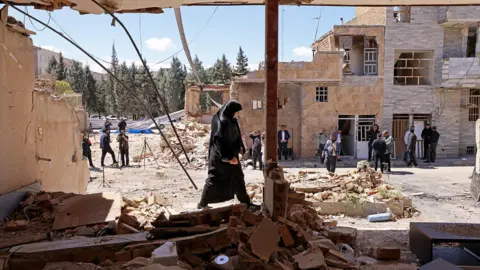
Iran and the US have agreed to a conditional two-week ceasefire, during which shipping traffic will be allowed through the Strait of Hormuz. This comes more than a month after the US and Israel launched coordinated attacks on Iran, and hours after US President Donald Trump threatened a whole civilisation will die tonight if Iran did not reopen the Strait.
Pakistan's Prime Minister Shehbaz Sharif, who has been mediating negotiations, said early on Wednesday that the ceasefire was effective immediately.
What have the US and Iran said?
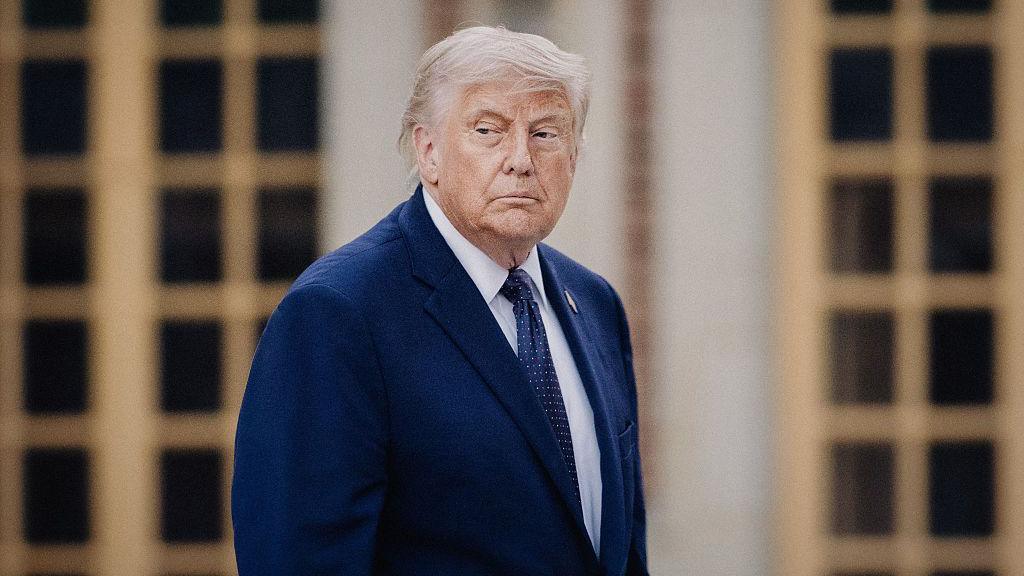
Trump said he had agreed to suspend the bombing and attack of Iran for a period of two weeks if Tehran agrees to reopen the Strait of Hormuz, a vital shipping route for oil and other exports from the Gulf. In a post on Truth Social, Trump stated he agreed to the provisional ceasefire because we have already met and exceeded all military objectives.
This follows his earlier warnings that the US could take Iran out in one night and that a whole civilisation will die tonight—threats that drew condemnation from UN Secretary General António Guterres and Pope Leo XIV.
Trump later mentioned that the US would work closely with Iran on tariff and sanctions relief. He threatened tariffs of 50% on countries supplying military weapons to Iran without exclusions or exemptions.
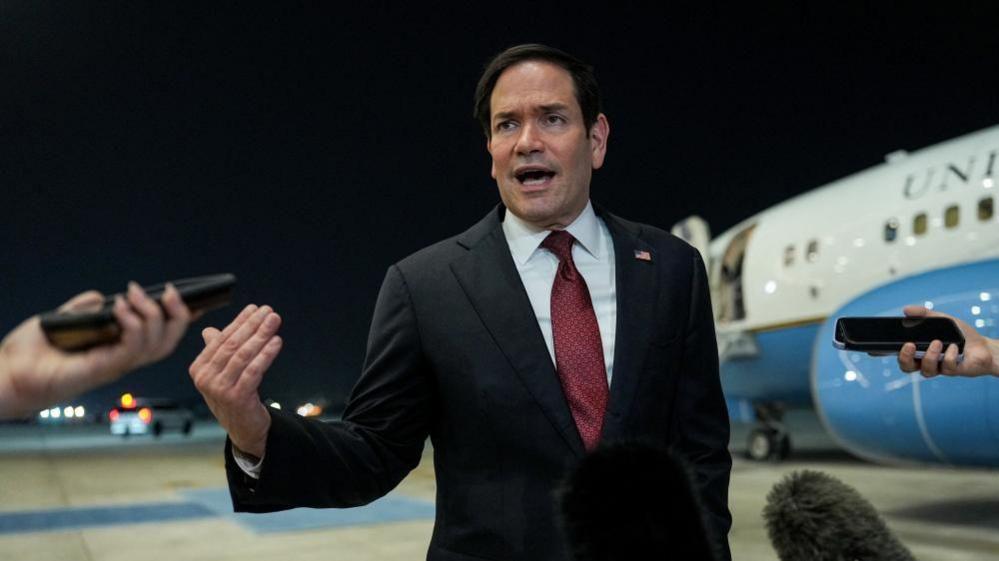
US Defence Secretary Pete Hegseth indicated that US military forces would ensure compliance with the ceasefire while remaining prepared for renewed conflict if necessary. Iran has consented to coordinate vessel passage through Hormuz with its military.
The country has also introduced a 10-point plan including the cessation of war in Iran, Iraq, Lebanon, and Yemen, the lifting of sanctions, the release of funds, and a commitment not to seek nuclear weapons.
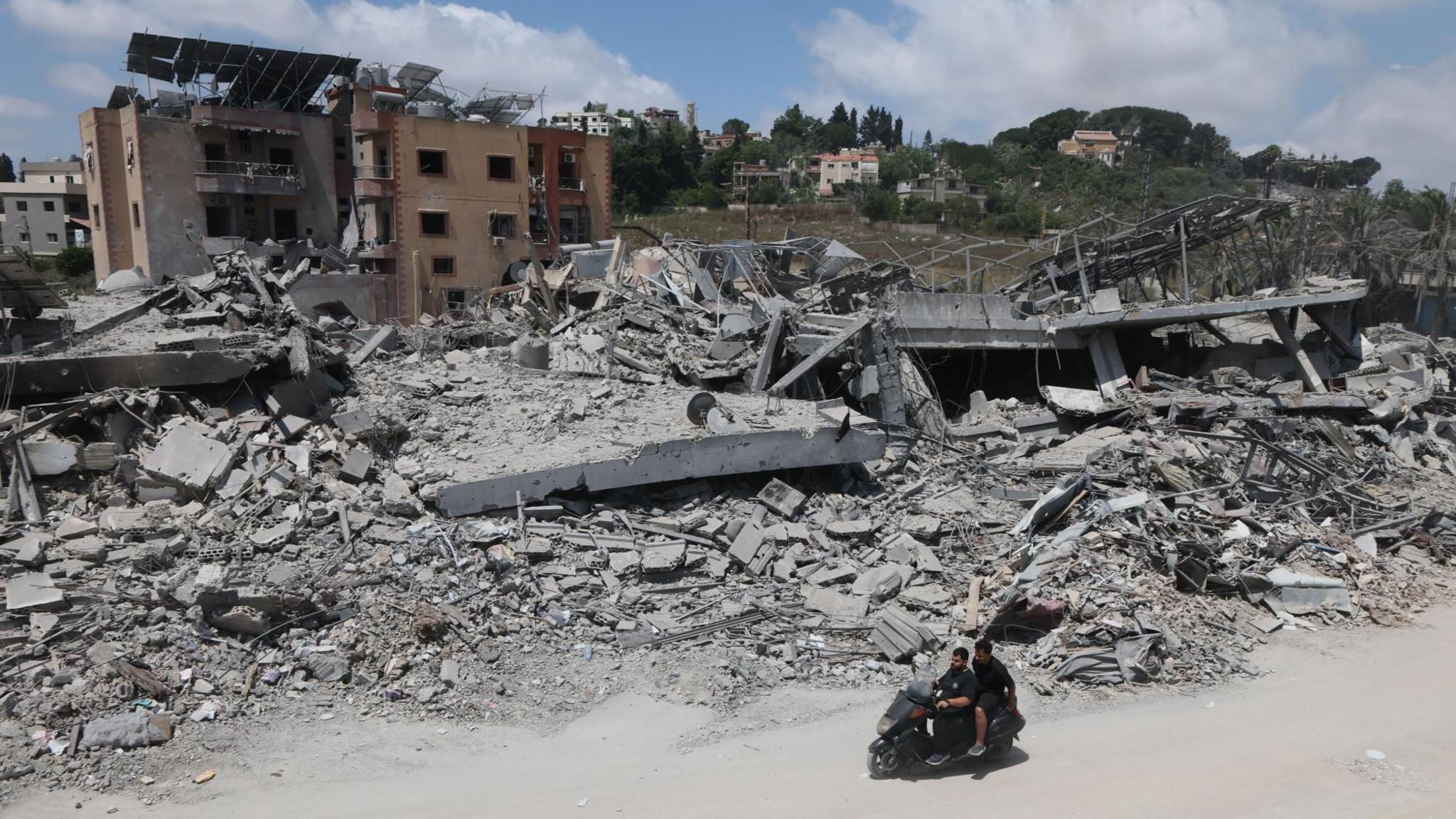
As for its implications in Lebanon, where Israel has engaged in conflicts with Hezbollah, the ceasefire reportedly does not apply, leading Israel to state its readiness for continued operations in the region.
What has Israel said?
Following Trump's announcement, sirens were activated in Israel due to missile interceptions. Prime Minister Netanyahu expressed support for the US ceasefire decision but emphasized it does not extend to Lebanon, where conflict continues.
What is next?
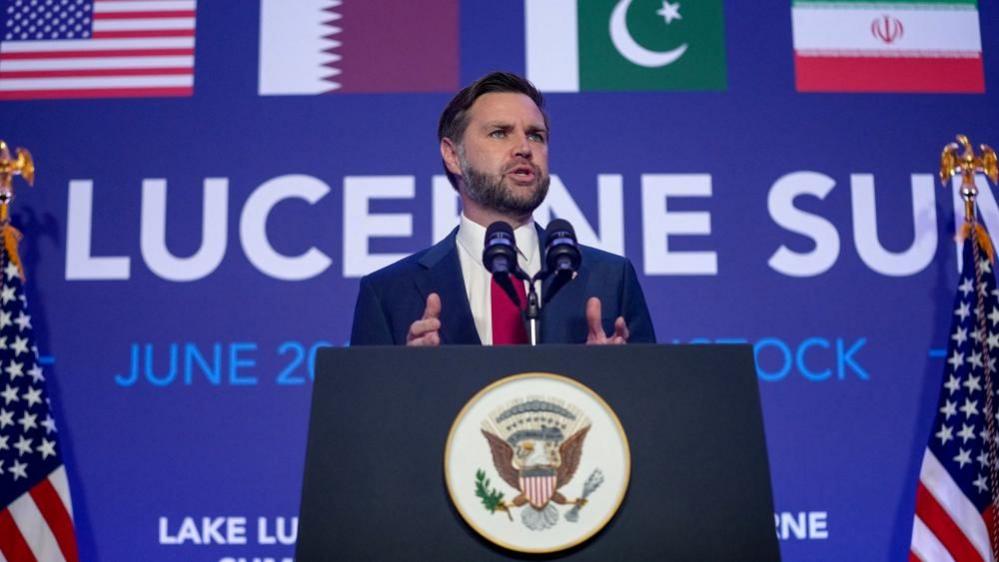
Pakistan has invited both delegations to Islamabad for further discussions aimed at settling ongoing disputes. While there have been talks of in-person negotiations, final agreements rely on official announcements from US officials.
The situation remains volatile, with reports of continued strikes and Iranian attacks in the region post-ceasefire, illustrating the fragile nature of the agreement.
Leaders of various Western nations have welcomed the ceasefire, urging its implementation, particularly in Lebanon.