In brief
Ariana Afshar, an Iranian American social media creator, highlights the challenges of obtaining authentic voices from Iran amid government-imposed internet blackouts. While creators in the diaspora provide insights, concerns rise over potentially misrepresenting the true sentiments of Iranians during the escalating conflict in the Middle East. Amidst war dynamics, family connections remain pivotal for sharing information and personal accounts, despite the overarching narrative being shaped by those outside Iran.
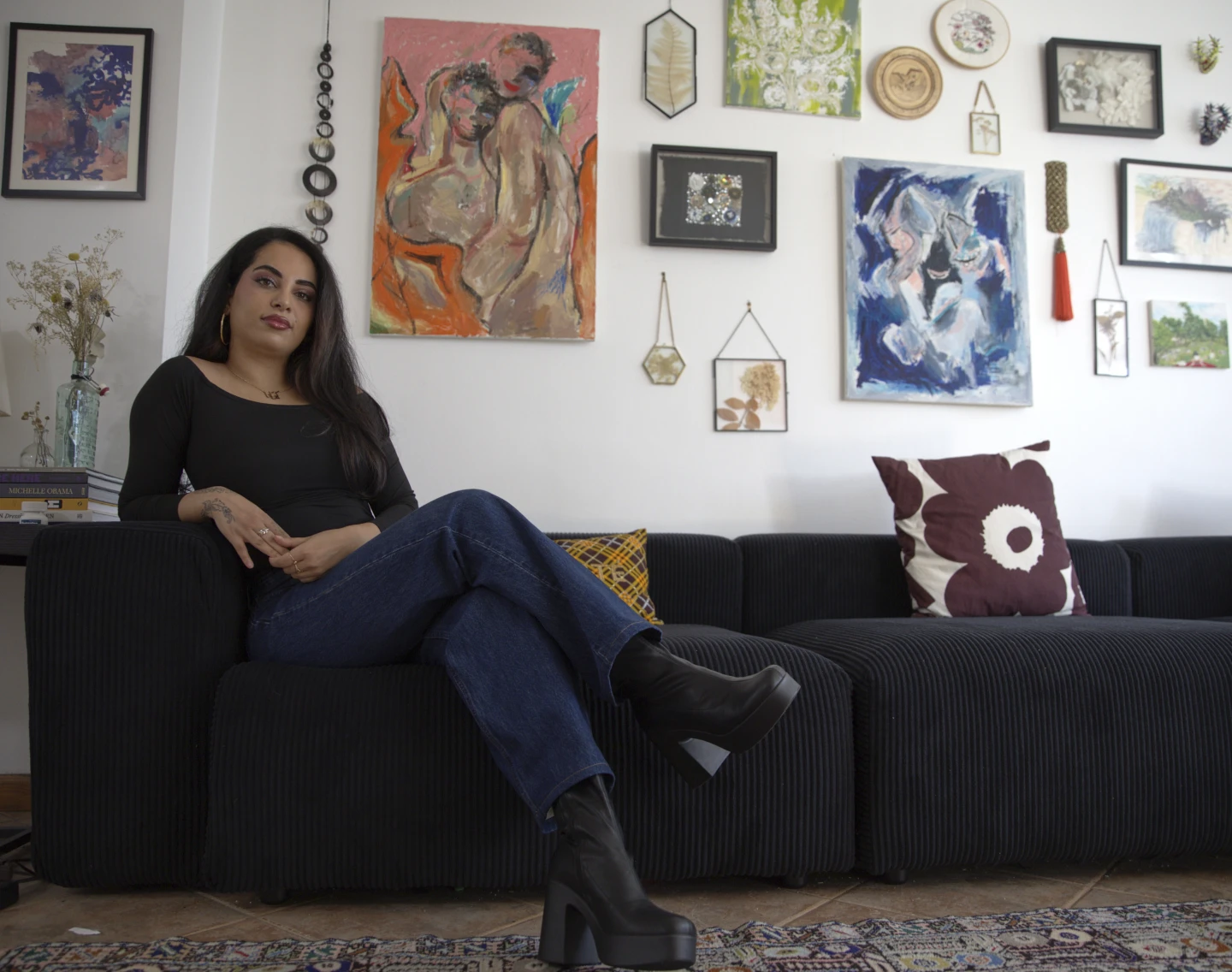
NEW YORK — Iranian American Ariana Afshar is striving to provide commentary on the ongoing conflict in the Middle East by integrating insights from her cultural roots. However, her efforts face significant challenges due to stringent internet blackouts enforced by the Iranian government, which obstruct the flow of authentic communications from the country.
Afshar, who has close ties to Iran, finds it increasingly difficult to gauge the sentiments of locals during the conflict. The lack of reliable information from within Iran has placed a spotlight on the voices of Iranian American creators, leading them to articulate the nation’s complexities and the contrasting desires among citizens through engaging social media content.
In the U.S., curiosity about Iran has surged, with online searches jumping by 3,000% in early March as people sought clarity on why conflicts have arisen. Creators like Afshar are attempting to interpret and explain these dynamics, recognizing a growing need for context amid rising tensions.
Some creators in the diaspora express concerns that their narratives might deepen existing rifts, as diverse viewpoints clash within a community of roughly 750,000 Iranian Americans.
Afshar acknowledges these nuances, stating, 'I think it’s a huge problem among the Iranian diaspora, where they speak for Iranians a lot. I don’t want to fall into that.' Through her online platforms, she offers critiques of pro-war perspectives, sharing insights rooted in her experiences of living between both cultures.
When communications with family members in Iran become possible, they often reflect fears and cautious sentiments, making it difficult to capture the full spectrum of opinions due to a pervasive atmosphere of dread instilled by the regime.
Strategies employed by creators to navigate the evolving narrative landscape include sharing personal lived experiences and credible information. Despite the overwhelming presence of misinformation circulating on social media platforms, a persistent thirst for firsthand accounts from Iranian voices remains apparent.
The dynamics of sharing information are complicated, as many feel the obligation to convey their relatives' experiences truthfully, navigating the turbulence faced by daily life in war-torn regions.
'All it takes is for just a little bit to leak out, and those images and stories go viral,' stated Houman Hemmati, a supporter of the war who also grapples with the challenges of communication across borders.
With the ongoing conflict creating a divide, social media creators like Ciara Moezidis and Zoya Biglary take to their platforms to share messages of solidarity and support for Iranians living through turmoil, straddling the fine line between advocacy and representation.