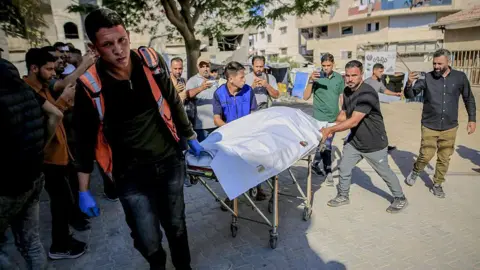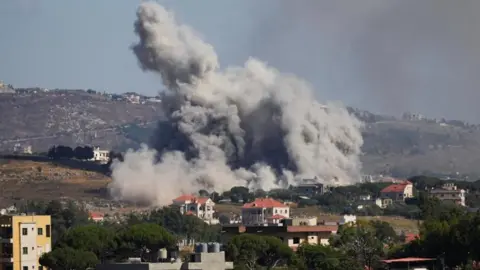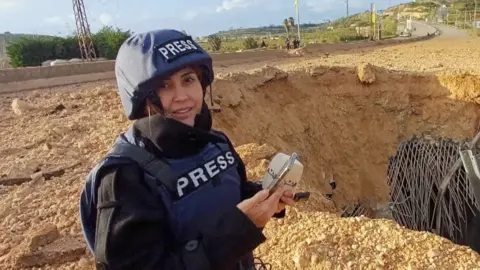
Lebanon's Prime Minister has accused Israel of war crimes after an Israeli airstrike resulted in the death of journalist Amal Khalil and injured another, Zeinab Faraj, in southern Lebanon on Wednesday. This incident has stirred outrage, as the two journalists were reportedly deliberately targeted while seeking refuge in a nearby home following an initial strike that had killed two other men.
Lebanese officials claim that the Israel Defense Forces (IDF) also attacked a marked ambulance attempting to reach the journalists. While the IDF denies these allegations, asserting that they do not target journalists, the Lebanese government voices strong condemnation.
Prime Minister Nawaf Salam stated, Targeting journalists, obstructing access to them by relief teams, and even targeting their locations again after these teams arrive constitutes described war crimes. He emphasized that this scenario reflects a troubling pattern of intentional targeting of media workers in southern Lebanon.
International responses have echoed the Lebanese sentiments, with the Committee to Protect Journalists (CPJ) expressing outrage, labeling the actions as a grave breach of international humanitarian law. The report indicates that at least seven journalists have been killed in such attacks since the escalation of the conflict.
The IDF's statement described their actions as necessary defensive measures against perceived threats, conveying that they had identified specific vehicles linked to Hezbollah operations. However, human rights organizations demand accountability and protection for journalists working in conflict zones.
In a broader context, this raises crucial questions about the safeguarding of press freedom and the protection of civilians, particularly during active conflicts. As the situation unfolds, international observers continue to call for investigations into these actions against media professionals.