Limited War or Ceasefire? Why Iran May Prefer a Controlled Conflict
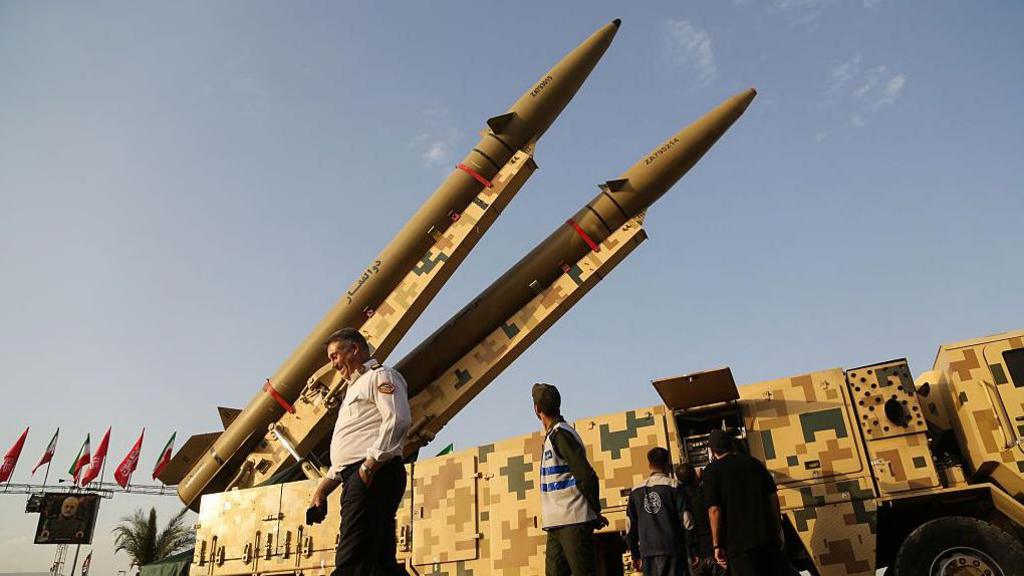
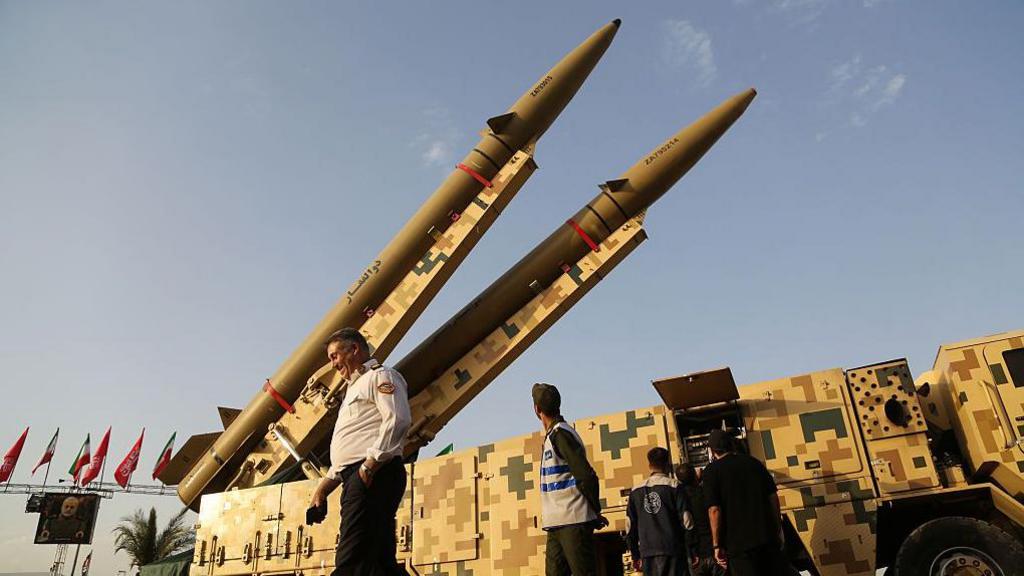
A surprise missile strike by Tehran on a U.S. joint base in Jordan this week abruptly ended a fragile pause in hostilities, triggering a fresh wave of retaliation in Iran.
The timing and targeting have sparked debate: was this a misstep toward full‑scale war or a deliberate move toward a calculated, limited confrontation?
Iran’s leadership suggests that a controlled flare‑up can grant the regime strategic advantages that a ceasefire cannot.
- It keeps the United Nations‑mandated naval blockade of Iranian ports active, sustaining pressure on the country’s economy.
- Sanctions remain in place, preventing Tehran from re‑entering key global energy markets.
- The ongoing conflict forces hot‑spot shipping routes—especially the Strait of Hormuz—to function under rules that favor Iranian interests.
- In a period of domestic unrest, the government can rally public support around a national defense narrative, easing internal dissent.
The U.S., for its part, appears reluctant to spark a full‑scale war that could destabilise the entire region, raise oil prices and overextend American forces.
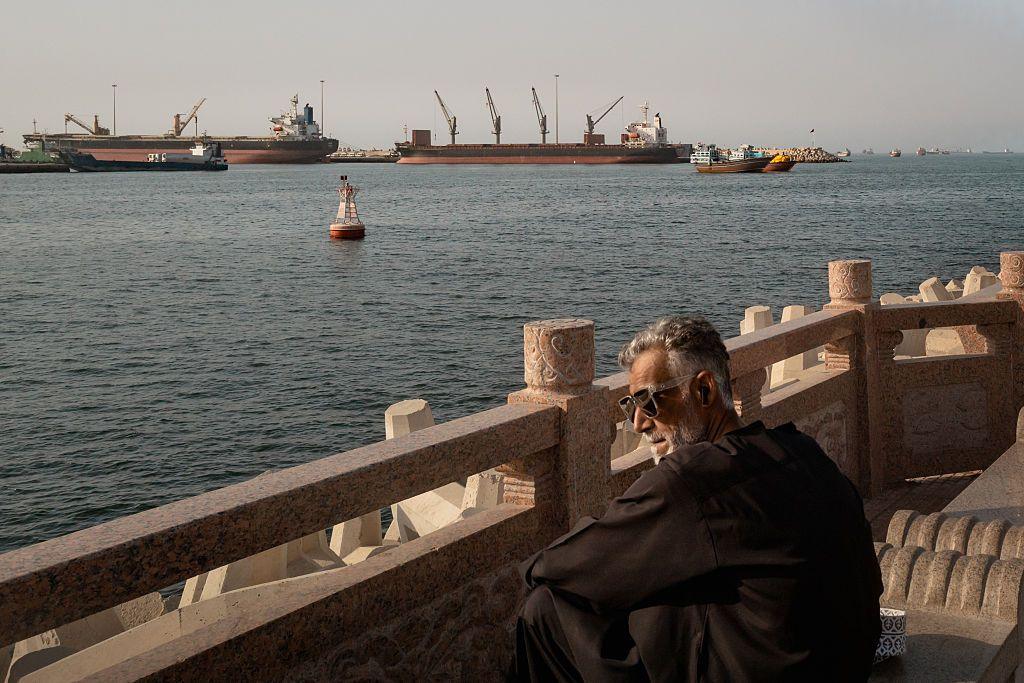
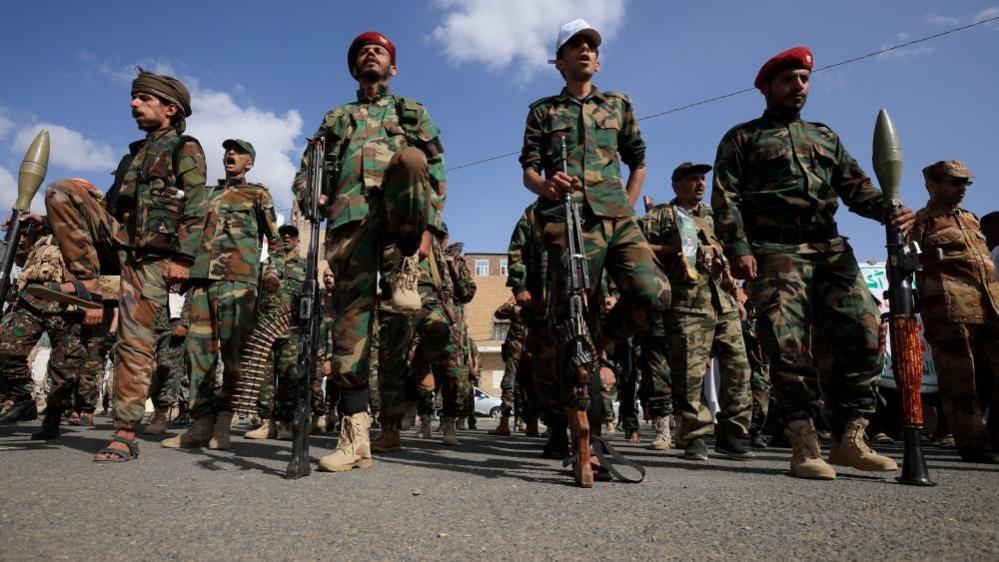
While oil-rich Gulf states resume normal trading flows, Iran’s intermittent pressure—through Houthi attacks and regional provocations—continues to ripple across global shipping lanes.
This tension means that shipping companies, insurers and petroleum markets must stay vigilant; any blink in the Strait of Hormuz spells higher insurance premiums and potential disruptions.
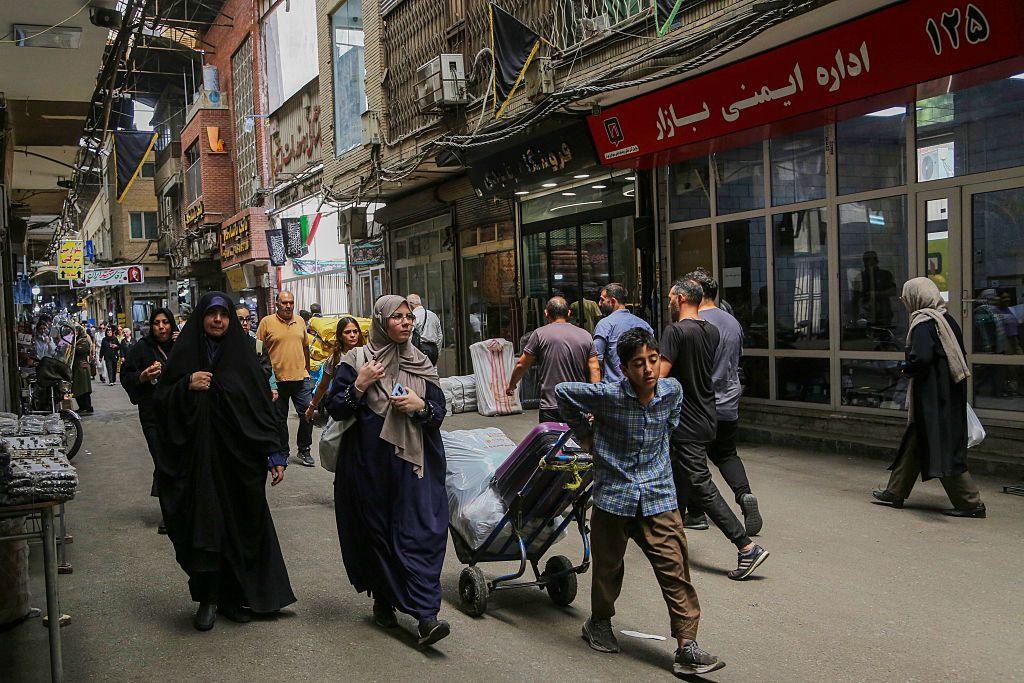
Domestic pressures remain high—inflation, unemployment and food shortages persist. A limited conflict offers a rallying point that, while not solving economic woes, can deflect political turmoil.
Nevertheless, sustaining this delicate balance is fraught with risk; an escalation could spill into broader regional warfare, invite more foreign actors, and stir stronger international sanctions.
Looking Ahead
Iran’s future moves will hinge on whether it can calibrate its strikes to maintain leverage without provoking a decisive U.S. or coalition response. If another unexpected assault follows, it could redefine the trajectory of this conflict—either narrowing it into a protracted proxy war or pushing both sides toward a broader showdown.