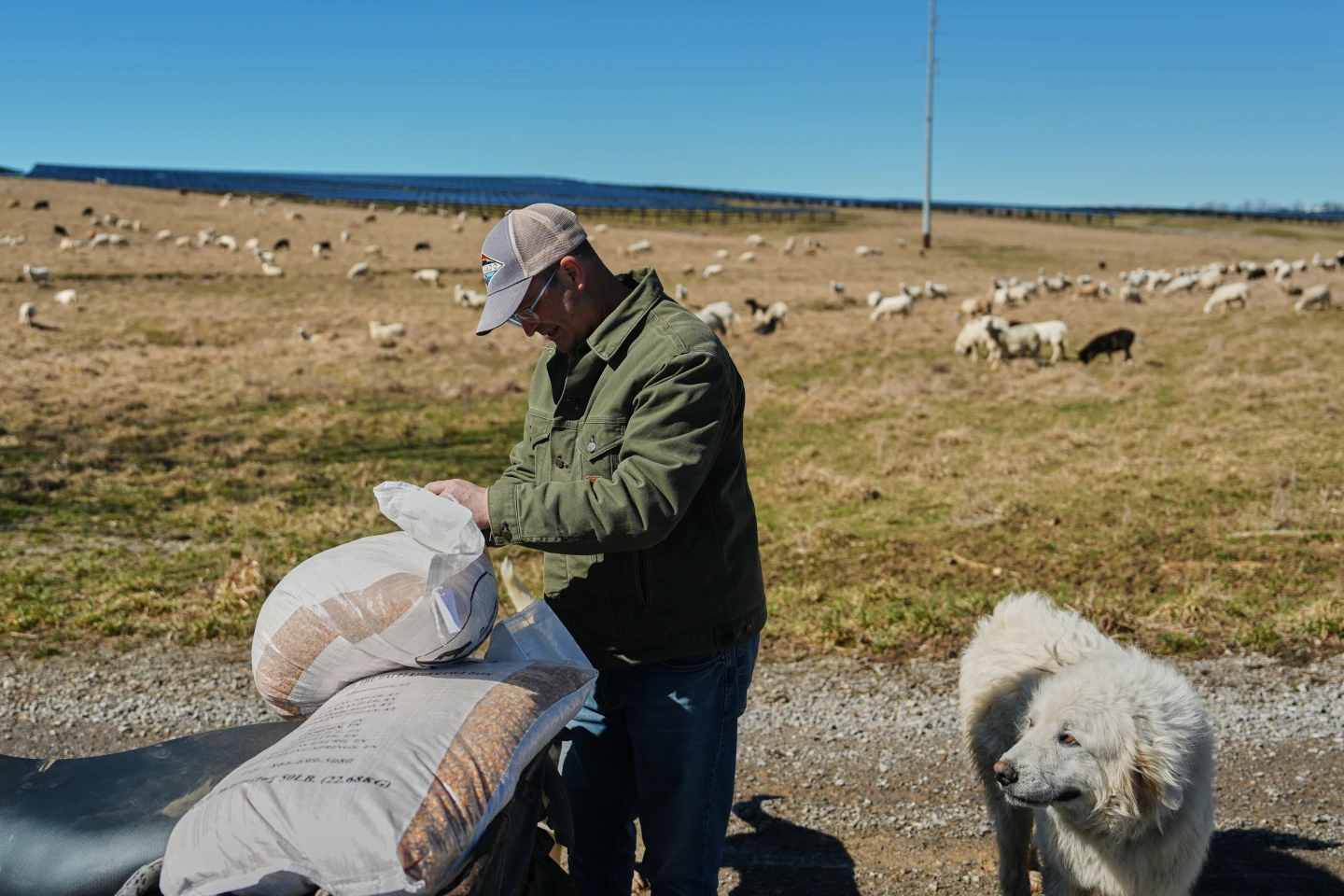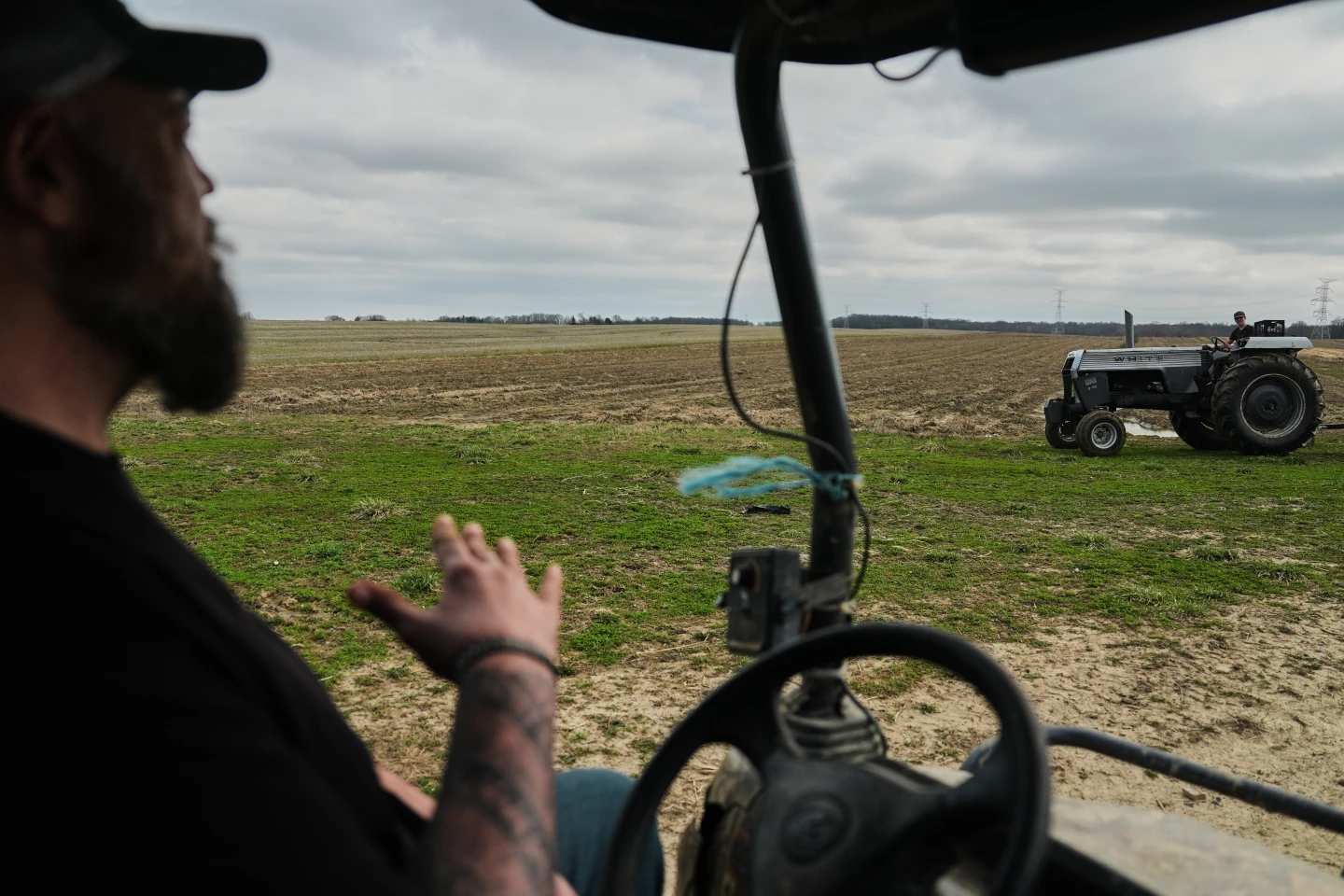
CANFIELD, Ohio (AP) — Wayne Greier keeps a watchful eye on his teenage son Blake maneuvering a tractor across an empty field. As the season for spring planting looms, Greier finds his focus is split, worrying over his farm's viability juxtaposed against crippling medical debts.
In 2023, efforts to develop a solar farm on his land fell through due to local government opposition under an Ohio state law, robbing him of expected annual lease payments of $540,000. \u201cIt was our saving grace,\u201d Greier lamented, reflecting on missed chances for sustainable income amidst the volatility of farming.
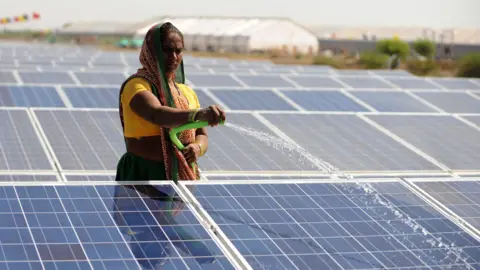
As local resistance to solar energy projects persists, many communities are reconsidering their stances, weighing the economic benefits against public concern. Key advantages cited include consistent income for farmers and the creation of jobs in the green energy sector.
Greier, along with other farmers facing similar situations, voiced their support for renewable projects at public gatherings, stressing the importance of allowing farmers to make their own decisions. \u201cI was the one that was going to lose the sixth-generation farm. I was the one that couldn’t provide for my family,\u201d he shared, echoing a common sentiment among those caught in the debate.
Meanwhile, the legal landscape surrounding solar energy development continues to evolve. Recent efforts in areas like Richland County have yielded an upcoming referendum aiming to overturn earlier restrictions, providing a glimmer of hope for those like Greier who seek greener futures.
Morgan Carroll, who rallied support against the solar ban in Richland County, underscores the social implications of these decisions, noting that future job opportunities and the stability of her community depend on embracing solar and other renewable forms of energy.
She and others shared their stories, providing firsthand accounts of challenges faced and the opportunities missed. The growing pushback against local bans captures an essential issue — residents wanting autonomy in deciding their futures and the direction of their land use.
As public sentiment shifts toward openness to solar energy, the challenge remains in balancing community concerns with the urgent need for sustainable energy solutions.