In brief
In Minneapolis, the Somali community is experiencing severe drops in measles vaccination rates, plummeting from 92% in 2006 to just 24% today. Public health officials attribute the decline to increased immigration enforcement and the spread of misinformation surrounding vaccines, particularly the false connection to autism. Community figures like nurse practitioner Munira Maalimisaq and Imam Yusuf Abdulle highlight the urgent need for consistent outreach efforts, while local authorities work to rebuild trust with families to manage a growing public health crisis.
MINNEAPOLIS — Public health officials and community leaders are raising alarm over declining measles vaccination rates within Minneapolis' Somali population, worsened by intensified federal immigration actions. The Somali community's vaccination rates have dropped from 92% in 2006 to an alarming 24%, largely due to fears related to immigration enforcement and pervasive misinformation around vaccine safety.
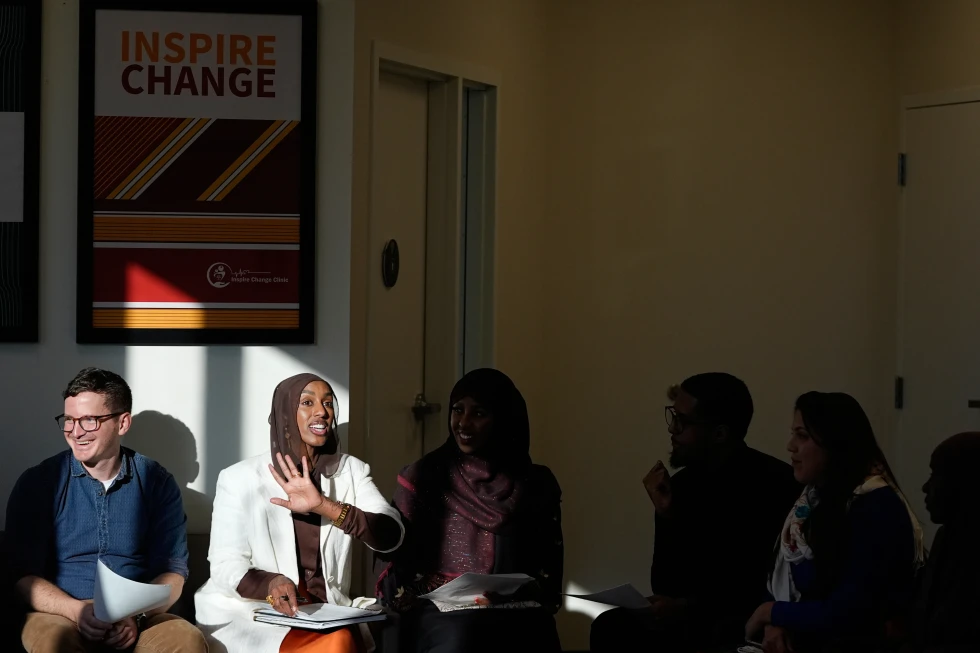
Despite several outbreaks of measles in the last decade, both health advocates and community members report a lack of progress in reversing these trends. Munira Maalimisaq, a nurse practitioner and CEO of the Inspire Change Clinic, describes the precarious situation: People are worried about survival... Vaccines are the last thing on people’s minds. But it is a big issue.”
With measles elimination status hanging by a thread in the U.S., health activists note that many within the community are afraid to leave their homes, which impacts their willingness to seek medical care or vaccination. Advocates are striving to counteract the myth linking vaccinations to autism, a belief that has taken firm root among local parents.
Maalimisaq highlights that community efforts to promote immunization have been inconsistent, reliant on sporadic mobile clinics and fluctuating resources. The community's distrust towards health messaging has escalated, especially as misinformation persists.
Efforts to re-engage the Somali community in health discussions are underway. Organizers emphasize that personal stories from community members resonate more than statistics or medical jargon; many parents are interested in hearing from those who have navigated similar fears and outcomes with their children's vaccinations.
As community leaders work against the backdrop of rising anti-immigration sentiments, they stress the vital importance of rebuilding trust and ensuring consistent healthcare access to combat these alarming vaccination trends.