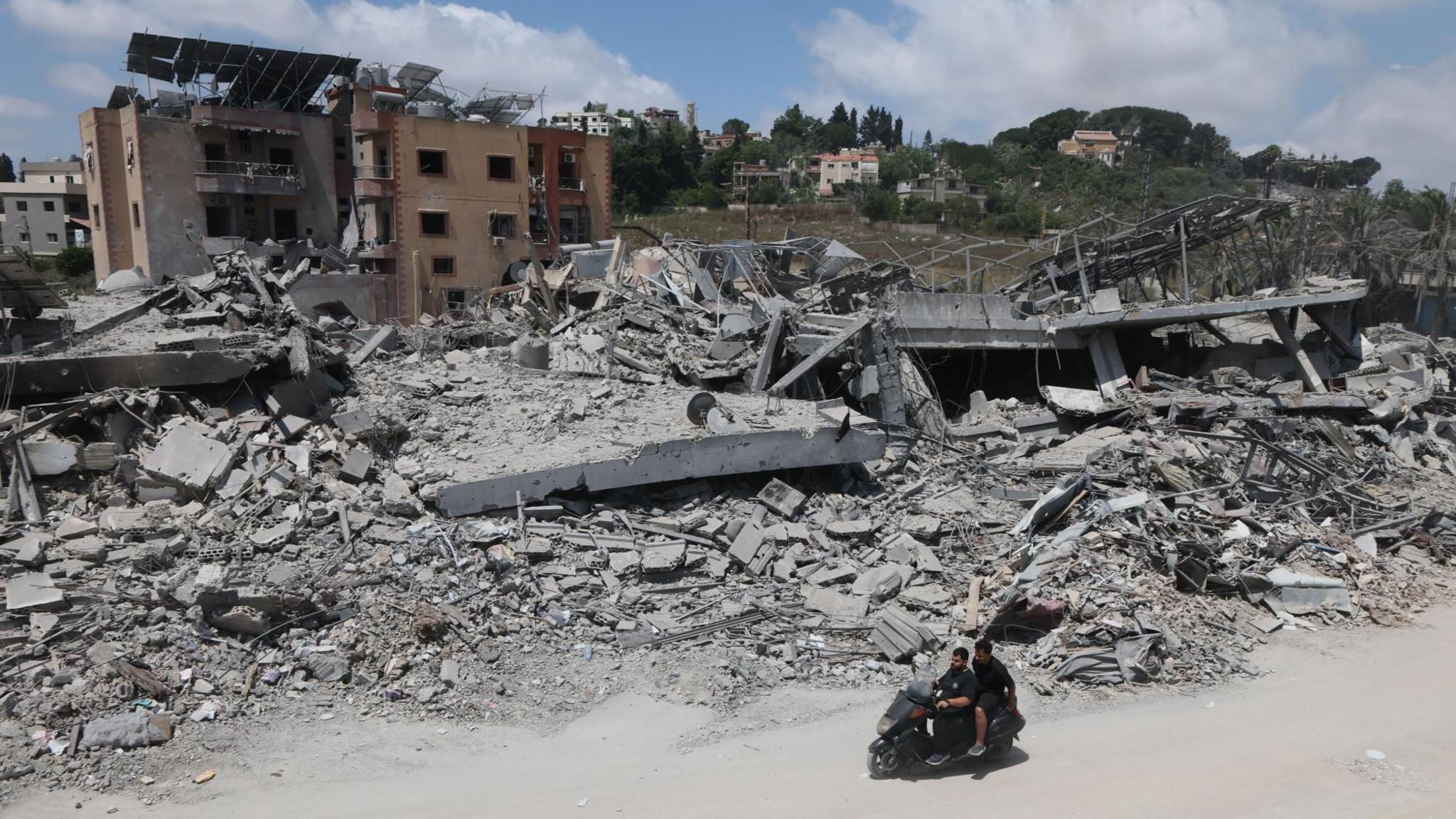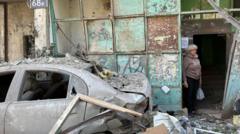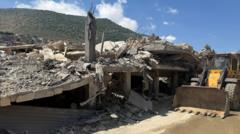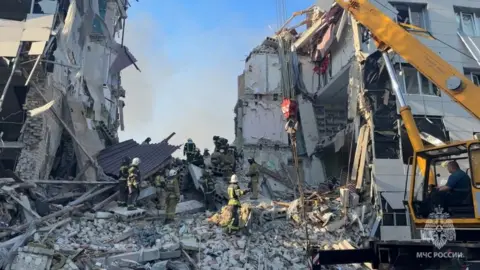
The rubble-strewn ruins of Starobilsk Professional College in eastern Ukraine tell a harrowing story. A Russian state TV broadcast revealed Friday morning how rescuers sifted through debris at a five-story building reduced to concrete fragments, with flames still visible on one side. The sign on the charred facade—Starobilsk Professional College—stood as mute testimony to what happened in the early hours of May 22.
Russia's accusations were immediate and severe. President Vladimir Putin called the attack a terrorist strike and insisted there were no military facilities, intelligence service facilities or related services nearby, dismissing claims that Russian air defenses caused the destruction. There is absolutely no basis for claiming that the munitions struck the building as a result of our air defence or electronic warfare systems, he stated. Moscow demanded an emergency UN Security Council session, with ambassador Vasily Nebenyza presenting photographs of the devastation and declaring it a war crime under international humanitarian law.
Ukraine's military contradicted the narrative, confirming an attack near Starobilsk occurred but insisting it targeted Russian troops. Our forces struck a Russian military unit, a statement read, while denying responsibility for the civilian campus. This stark divergence sparked intense debate in global forums. Denmark's UN representative countered Russia's move: If we applied Russia's logic, we'd need twice-daily emergency sessions to cover Ukraine's destruction.
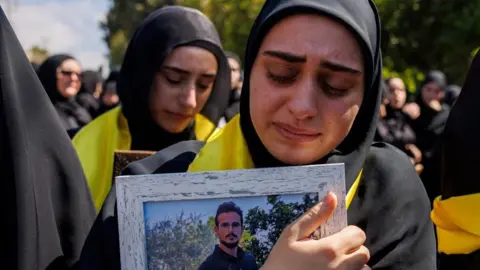
The Kremlin's response escalated rapidly. Putin ordered defense ministries to propose a response to the attack, with hardline commentators like Sergey Karaganov urging strikes on European infrastructure. We need to start punishing Europe for things like this, including with strikes, he warned on state television, signaling potential geographic expansion of the conflict. Emergency crews completed the search Saturday, but the human toll remained stark: 21 confirmed deaths, including students and staff like 21-year-old Olga Kovaleva, rescued from rubble.
As Russia seeks to frame this as evidence of Ukrainian barbarity, Ukraine maintains it was a tactical strike. Yet the incident highlights the war's deepening civilian toll—and its perilous path toward wider retaliation. With no immediate ceasefire in sight, the Starobilsk tragedy may mark a turning point in how the world measures this conflict's human cost.}
Russia's accusations were immediate and severe. President Vladimir Putin called the attack a terrorist strike and insisted there were no military facilities, intelligence service facilities or related services nearby, dismissing claims that Russian air defenses caused the destruction. There is absolutely no basis for claiming that the munitions struck the building as a result of our air defence or electronic warfare systems, he stated. Moscow demanded an emergency UN Security Council session, with ambassador Vasily Nebenyza presenting photographs of the devastation and declaring it a war crime under international humanitarian law.
Ukraine's military contradicted the narrative, confirming an attack near Starobilsk occurred but insisting it targeted Russian troops. Our forces struck a Russian military unit, a statement read, while denying responsibility for the civilian campus. This stark divergence sparked intense debate in global forums. Denmark's UN representative countered Russia's move: If we applied Russia's logic, we'd need twice-daily emergency sessions to cover Ukraine's destruction.
The Kremlin's response escalated rapidly. Putin ordered defense ministries to propose a response to the attack, with hardline commentators like Sergey Karaganov urging strikes on European infrastructure. We need to start punishing Europe for things like this, including with strikes, he warned on state television, signaling potential geographic expansion of the conflict. Emergency crews completed the search Saturday, but the human toll remained stark: 21 confirmed deaths, including students and staff like 21-year-old Olga Kovaleva, rescued from rubble.
As Russia seeks to frame this as evidence of Ukrainian barbarity, Ukraine maintains it was a tactical strike. Yet the incident highlights the war's deepening civilian toll—and its perilous path toward wider retaliation. With no immediate ceasefire in sight, the Starobilsk tragedy may mark a turning point in how the world measures this conflict's human cost.}