Israel continued a wave of air strikes in southern Lebanon on Tuesday, bombarding the Nabatieh area while refraining from attacking the capital, Beirut, after a partial ceasefire agreement with Iran‑backed Hezbollah.
The ceasefire, announced by the United States on Monday, stipulates that Israeli forces forgo a broad offensive against Beirut in exchange for Hezbollah stopping attacks on Israeli territory. The deal is still being negotiated, but Israeli officials say it applies only to the southern part of the Lebanese state.
In Tyre, Israel’s strikes targeted buildings next to Jabal Amel hospital, killing four people and injuring 127. Doctors and staff were reported in critical condition, while the total death toll in Lebanon since the war began has climbed to 3,468, according to the health ministry.
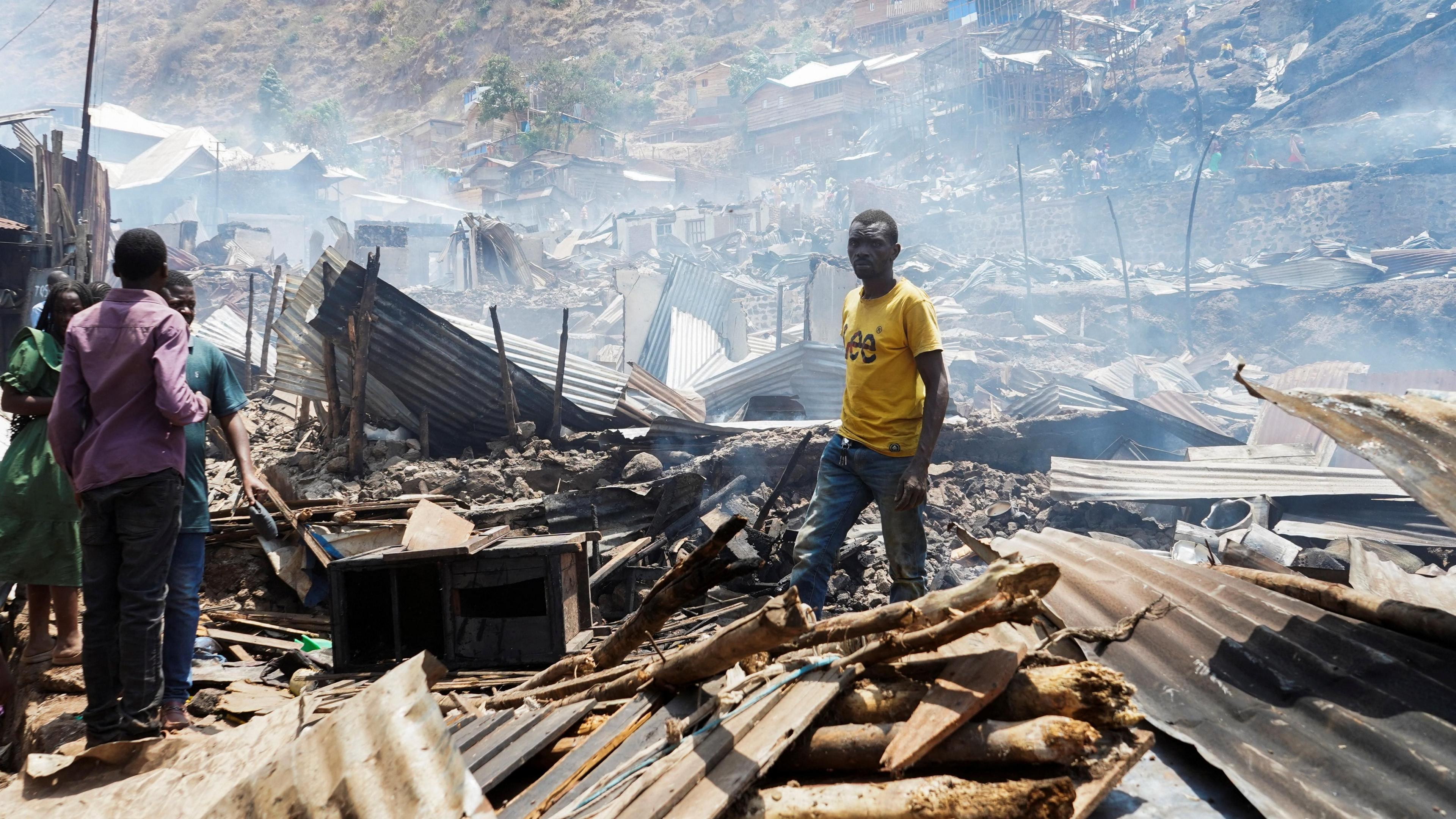
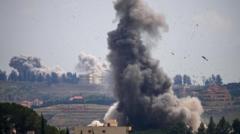
Photos released by Lebanese civil defence show twisted metal and concrete debris covering the streets of Kfar Sir. The same day, a dentist and his children were killed by a drone strike on a road between Marjayoun and Nabatieh.
Israel said the raid focused on “Hezbollah terrorist infrastructure.” The attack caused no civilian casualties, but the damage to hospitals and homes is widespread.
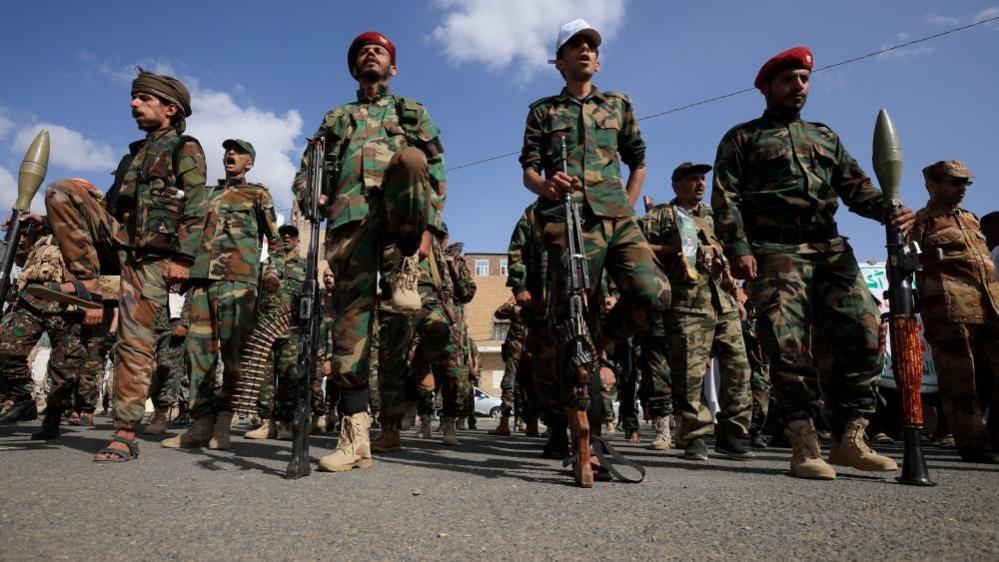
Hezbollah’s military wing claims it has targeted Israeli tanks and troops in Haddatha, Bayada and Zawtar al‑Sharqiya with drones and missiles, while Israel accused the group of violating the partial ceasefire by firing from Lebanese territory.
The United States, via President Joe Biden and Secretary of State Antony Blinken, is pushing for a comprehensive ceasefire to bring all fighting to a halt. Discussions are scheduled to continue in Washington this week.
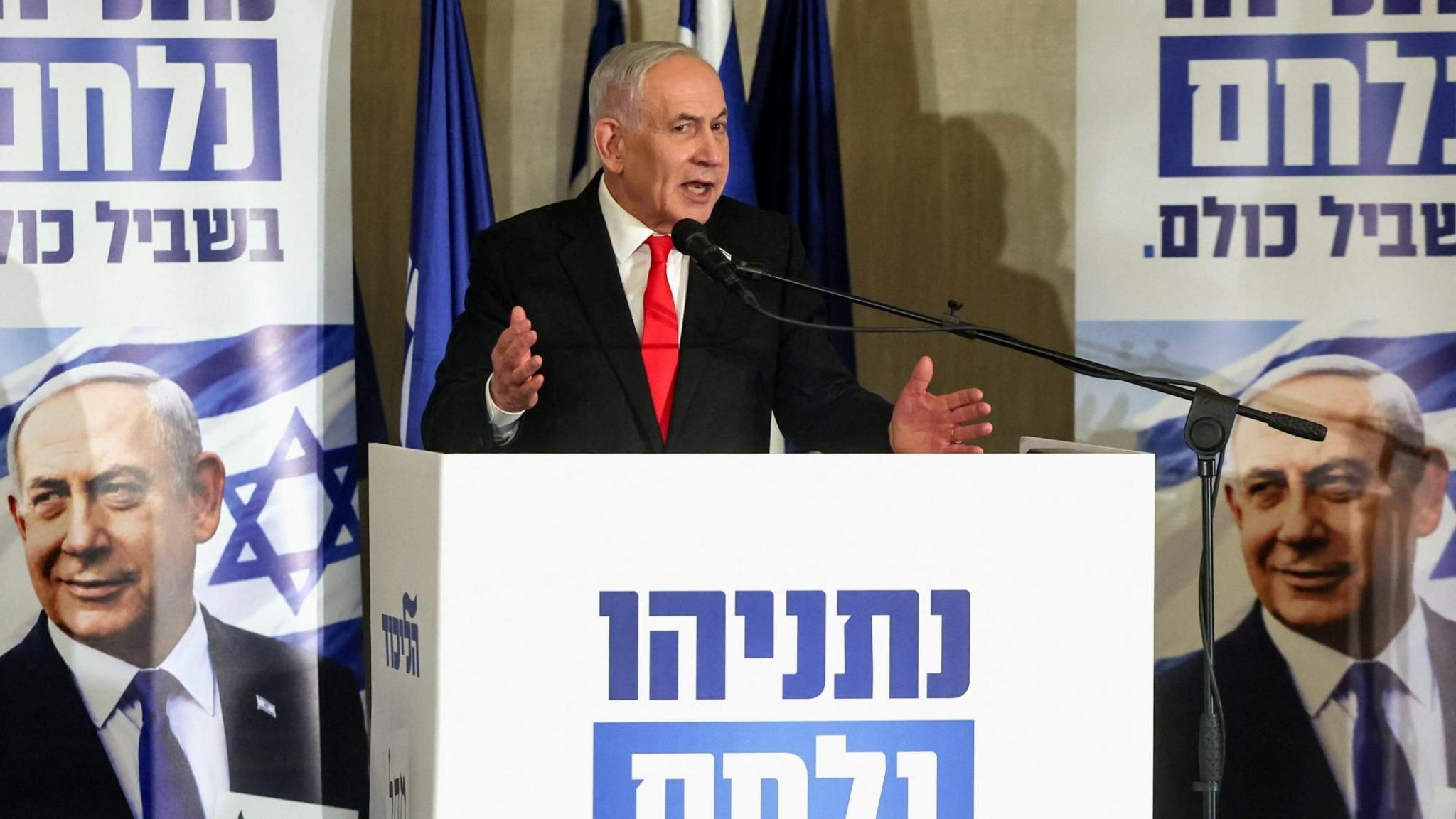
Israel has warned that it will strike Hezbollah positions in Beirut’s southern suburbs if it does not comply with the agreement. Some Israeli politicians have criticized the decision to spare Beirut, arguing it compromises national security.
Iranian officials have expressed concern that continued Israeli escalation could undermine a broader ceasefire between Iran and the United States. Tehran indicated it might suspend indirect talks with the U.S. over Israeli military actions in Lebanon.
The situation remains fragile, with a mix of diplomatic negotiations and ongoing military strikes shaping the conflict’s trajectory. The next talks in Washington aim to clarify the scope and enforcement of the truce, while both sides maintain that the cost of war continues to rise.