
In brief
Scheduled hearings in Congress will delve into critical national security issues related to the US military campaign in Iran, focusing on a controversial missile strike on a school that killed over 165 people and assessing the capacity of the FBI to prevent terrorism after a series of violent incidents. Key testimonies are expected from Director of National Intelligence Tulsi Gabbard and FBI leadership, amidst a backdrop of escalating concerns about terrorism on US soil.
WASHINGTON (AP) — In a closely watched series of congressional hearings beginning Wednesday, senior Trump administration national security officials will face questions regarding US military operations in Iran, including the repercussions of a recent missile strike that tragically hit an elementary school, claiming over 165 lives, as well as the Federal Bureau of Investigation's (FBI) capability to combat domestic terrorism.
The annual threat hearings are becoming particularly important as scrutiny intensifies regarding America’s military engagement in the Middle East and growing fears of domestic attacks following multiple incidents, including gunfire in a Michigan synagogue and violent confrontations at universities.
The focus will largely be on the details surrounding the controversial missile strike on a school, reportedly based on outdated targeting data from the Defense Intelligence Agency. There is ongoing investigation into the strike, which has raised critical concerns about the efficacy of US military intelligence.
As these hearings unfold, discussions will likely include the symptomatic internal debates within the administration, highlighted by the recent resignation of Joe Kent, the director of the National Counterterrorism Center. Kent's resignation, based on his disagreement with the current approach towards Iran, adds a complicated layer to the ongoing deliberations about national threats.
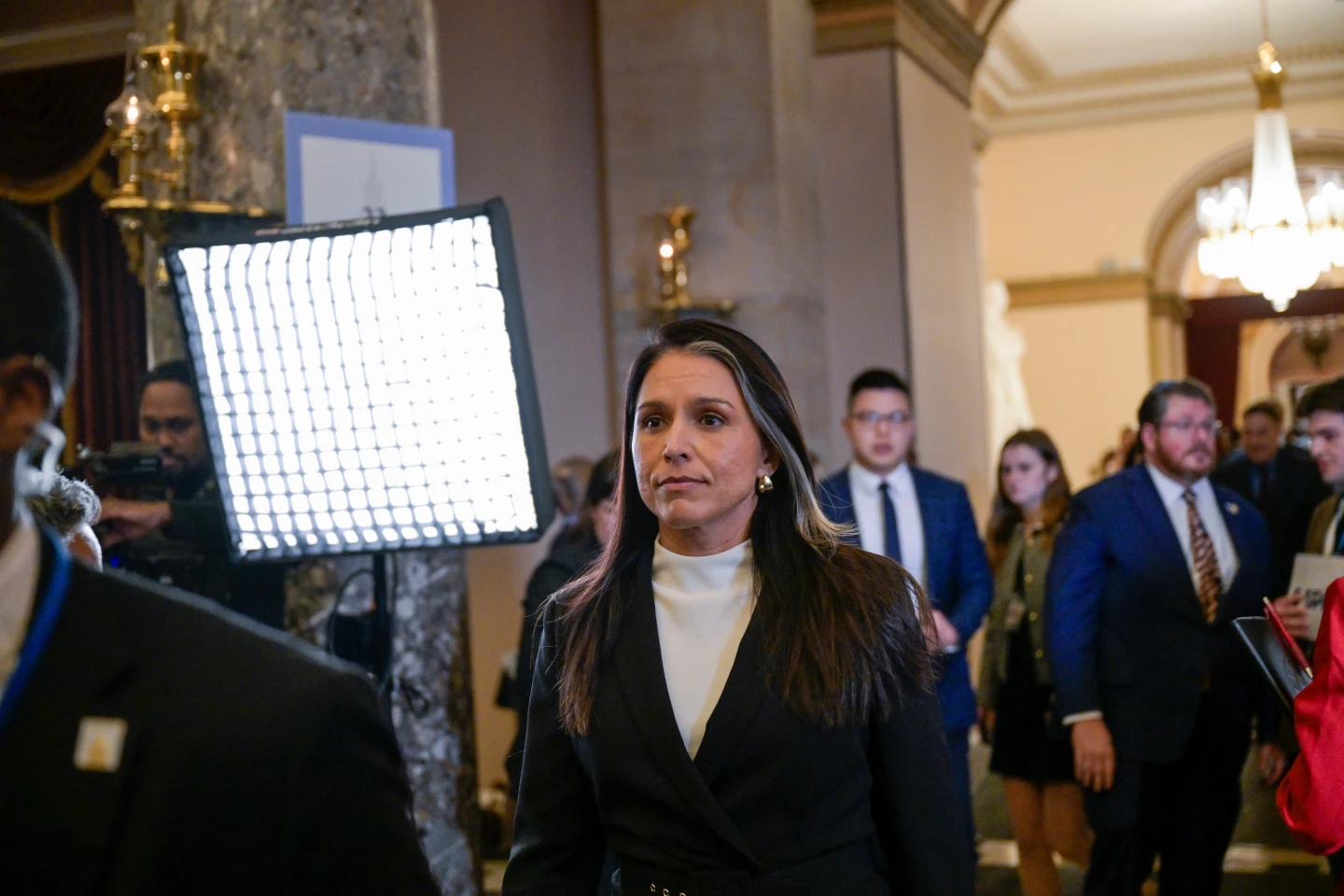
Director of National Intelligence Tulsi Gabbard, who oversees Kent's former responsibilities, is anticipated to clarify the parameters of Iran's perceived threat and the approach to US military responses. Intelligence assessments suggesting that recent US military actions are unlikely to result in regime change in Iran will also be scrutinized, amidst claims that Iran is not poised to strike first.
Amid these discussions, the FBI's handling of a rising number of domestic terrorism cases will remain a focal point, especially given that the FBI has indicated it is working tirelessly to safeguard Americans from threats, amid reports of individuals inspired by extremist groups undertaking violent actions within the United States.
This month, several alarming incidents have cast further shadows over national security, emphasizing the urgency for evidence-based strategies in countering evolving threats and ensuring public safety.
