Forced Conscription in the Karen State
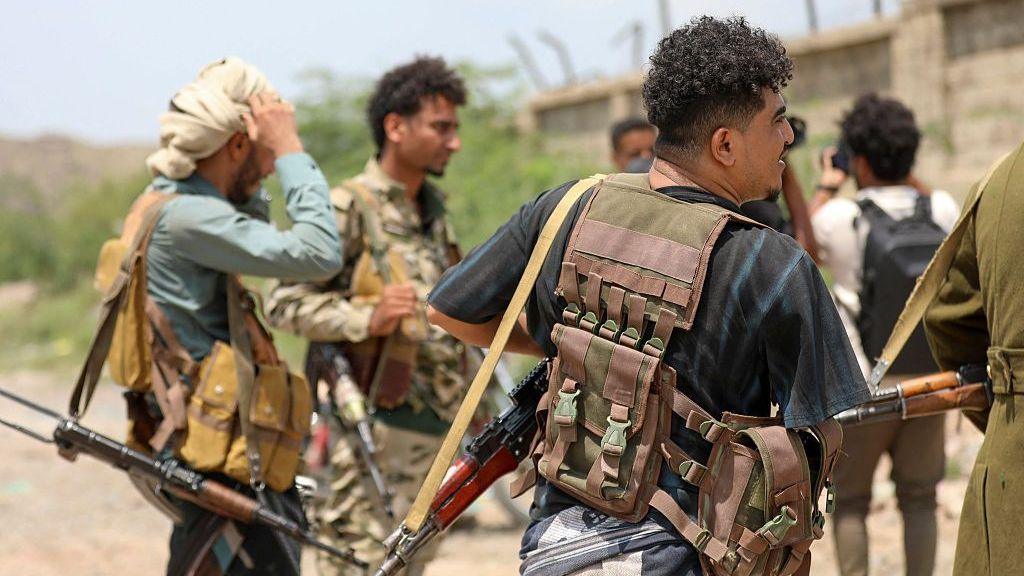
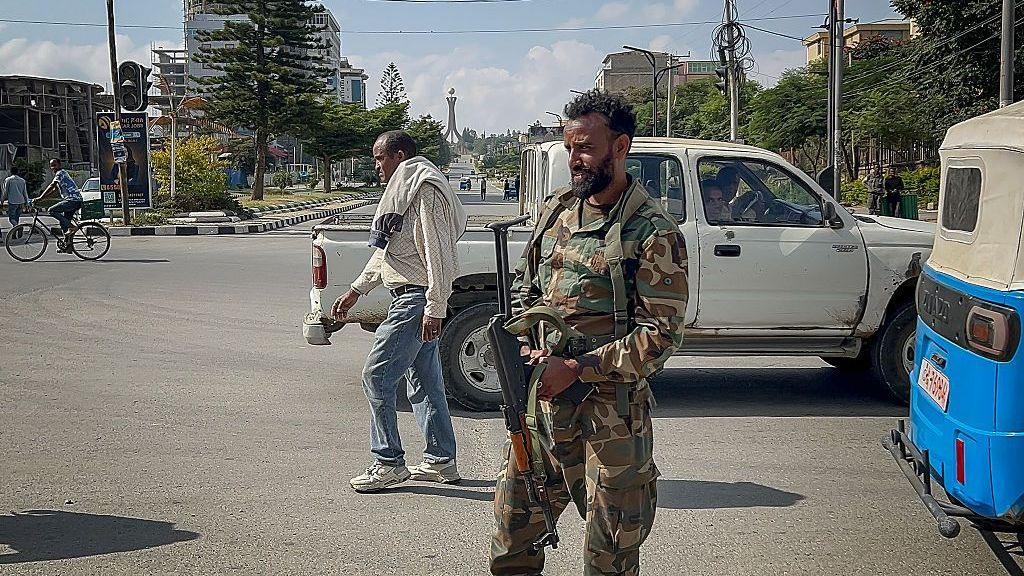
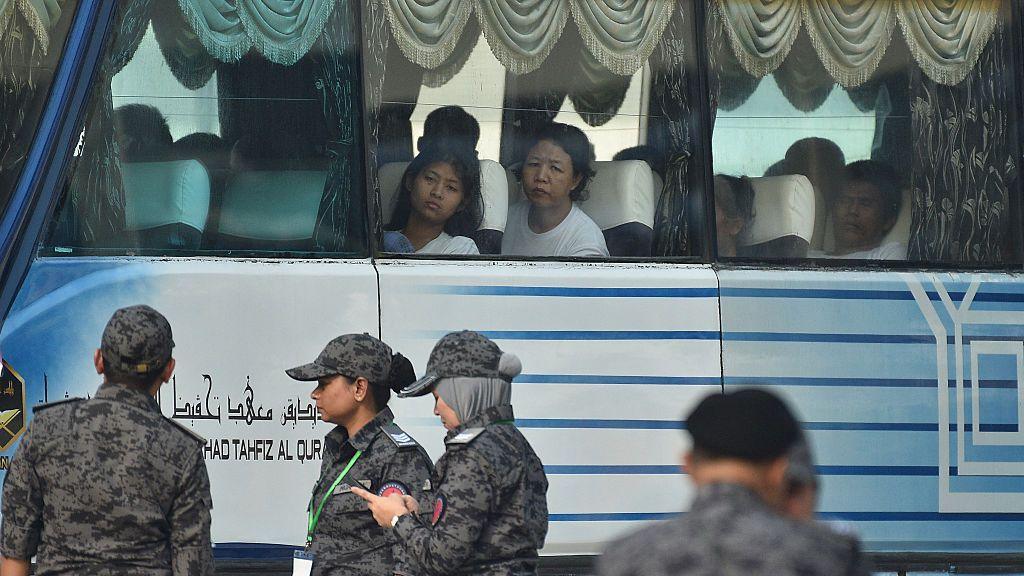
The capital of Myanmar’s southern Karen state, Hpa‑An, has become an uneasy frontier. After dark, soldiers in plain clothes patrol the streets, picking up teenagers and young adults to satisfy army recruitment quotas. The city’s residents talk in hushed tones: “You do not stay out after dark if you’re young and able‑bodied.”
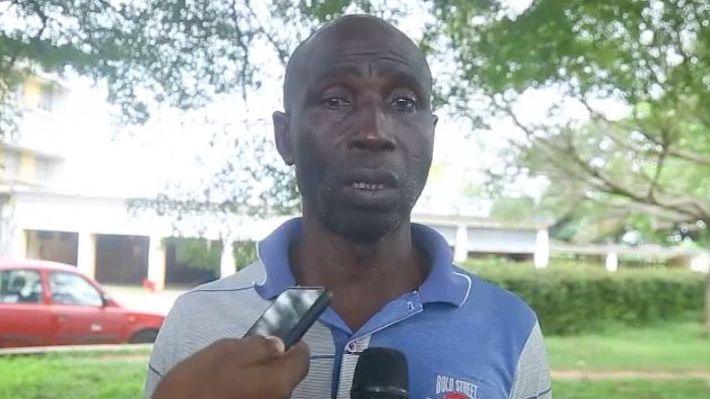
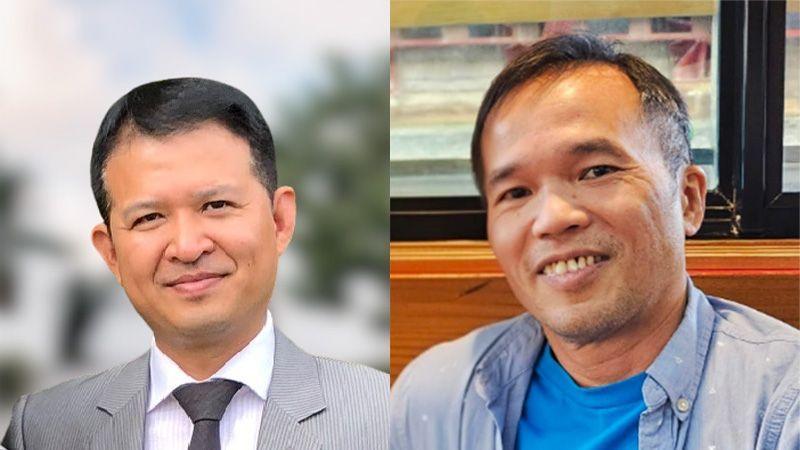
Zaw Min, a 26‑year‑old tuk‑tuk driver who asked to remain anonymous, says he is forced to work in order to feed his family. He confides: I worry, but I have to go out to work. My family calls me all the time and reminds me not to drive passengers far; to be careful who I take as a passenger… I have to be vigilant all the time. He describes the growing sense of panic: Some people I know have been taken.
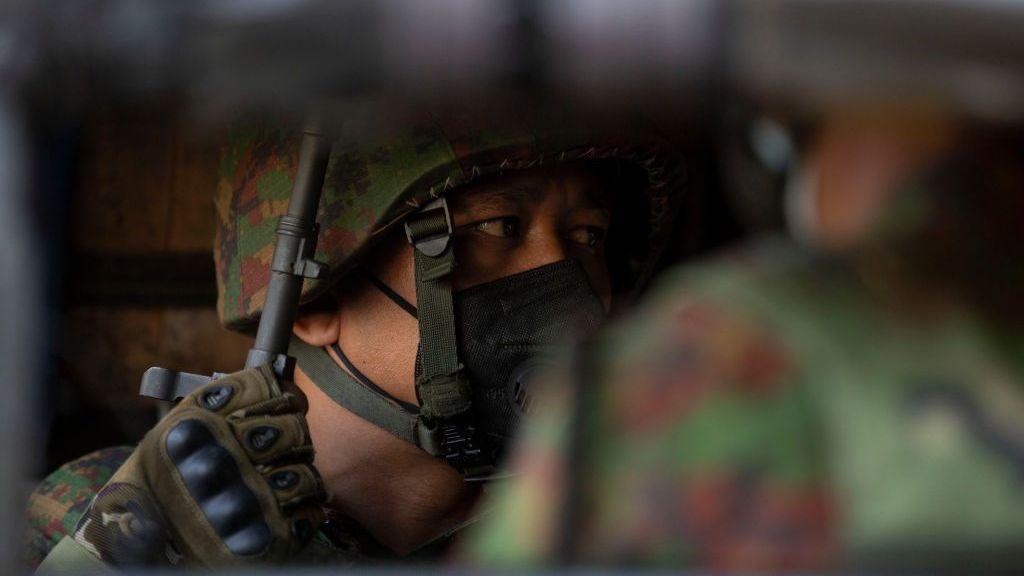
Leaked documents, obtained by BBC Burmese, reveal that the military has ordered local authorities to aggressively meet mandatory conscription quotas. These orders have turned the draft into a punitive scheme: people are arrested, extorted, and in many cases abducted and forced into service.
According to Maj Naung Yoe of the Myanmar Defense and Security Institute, the junta’s new law obliges all men aged 18‑35 and women aged 18‑27 to serve at least two years. Refusal can lead to up to five years of imprisonment.
In Hpa‑An alone, an estimated 100,000 recruits have been forced into the army in the past two and a half years. The recruitment chain has become a “human supply chain” that rewards administrators who meet quota targets, while the poorest youth shoulder the burden of compulsory service. When a man is unable to pay the bribe that “covers” his draft spot, he is left in limbo and must be handed over to the next available unit.
The situation has escalated into a modern‑day slavery system. Lower‑level officials, private gangs, and even members of the fire‑brigade have been implicated in abducting young men, luring them with promises of jobs and storing them in homemade detentions. For many, the only hope is to flee to Thailand or find shelter with distant relatives. Yet even fleeing does not guarantee safety, as the army threatens to intercept migrants on the border.
Official responses remain muted. The Central Body for Summoning People’s Military Servants has given no comment on repeated abduction reports, and local police complain that foreign jurisdiction complicates prosecution of trafficking. International human‑rights organisations continue to highlight Myanmar as a key example of forced conscription and wartime human trafficking.
The cost of this policy is far from purely military. Families are split, communities lose young labour, and whole regions see a sharp rise in internal displacement and economic decline. When the speech of the joint limits is declared by the junta—“We give citizens a chance to fight against each other”—the human toll becomes stark.