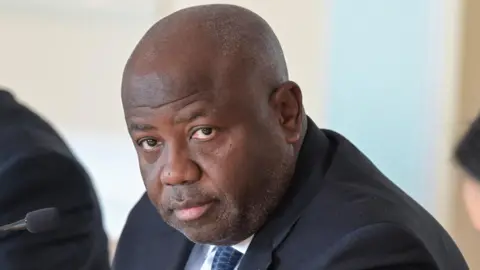
Last month, as Nepal inaugurated its new prime minister Balendra Shah, along with a parliament stacked with youthful lawmakers, Bangladeshi activist Umama Fatema felt a pang of disappointment as she watched from afar.
Fatema was among the thousands of Gen Z protesters in Bangladesh who took to the streets in 2024. Like their Nepalese counterparts, they brought down their government in explosive demonstrations.
But nearly two years on, Bangladesh's youth movement has yet to gain any meaningful political power. In the country's first post-protest elections held in February, the established Bangladesh Nationalist Party (BNP) won a historic majority while the new youth-led National Citizens' Party (NCP) - which grew out of the student revolution - did dismally.
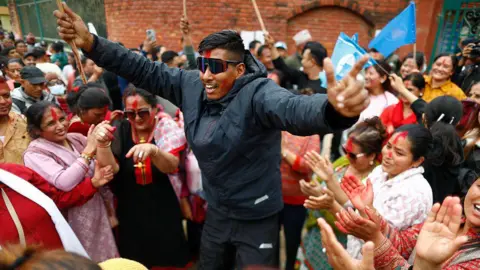
This stands in stark contrast to Nepal, which just a month later held a historic election where the youthful Rastriya Swatantra Party (RSP) won by a landslide. The victory sent scores of Gen Z politicians to parliament and made former rapper Shah, who made an alliance with the RSP, the leader of Nepal.
It is a rare success story in Asia, which has seen numerous Gen Z protest movements in recent years but none resulting in young protesters gaining power the way Nepal's youth have.
Personally, I felt disheartened. When I saw how effectively [the Nepalese youth] were able to organise themselves, I could not help but feel disappointed about the situation in our own country, said Fatema.
Bangladesh has not been able to deliver a such a change… it is naturally disheartening to realise that we have not been able to organise and rebuild our country in the same way.
So why did the youth triumph in one country but fall so short in another? Nepalese youth leaders have attributed their victory to their movement's ability to resonate with ordinary citizens.
The Gen Z protests tapped into a deep, long-standing frustration with the way things have been run, said KP Khanal, who was fielded by the RSP and won a seat in the Kailali district. At the same time, the sacrifices and voices of Gen Z stayed with the public - they haven't been forgotten.
Consistency was also a key factor. We kept raising our voices around accountability and justice, over and over, and gradually that message reached far and wide. It stopped being just a reaction [to the status quo] and started to feel like a genuine, credible movement that people believed in and wanted to be part of.
Analysts also point to the unique political landscape of Nepal and strategic decisions made by youth movements as critical factors in this contrast.
With an electoral system designed to favour coalition governments, no single party has ruled Nepal by majority in years. The country cycled through 14 governments in 17 years, dominated by established parties. The seething public anger over corruption directed support towards the comparatively newer RSP, as disillusionment with veteran parties grew.
In Bangladesh, however, traditional party structures dominated the political landscape. The rise of the national movement positioned the BNP and certain other older parties as reform-minded alternatives, allowing them to absorb the energy of protests and marginalize newer youth-led organisations.
The example of Nepal serves as a reminder that successful youth movements require strategic organization, public resonance, and timely mobilization to sustain their momentum beyond protests.