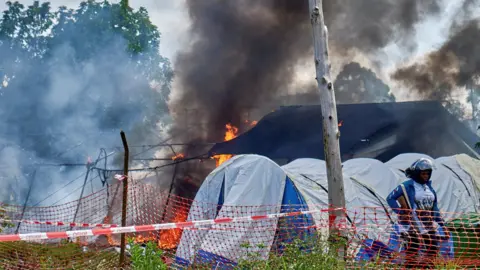
A violent incident erupted at Rwampara General Hospital in eastern DR Congo on May 21, 2026, when an angry crowd set fire to Ebola isolation tents after authorities prevented family members from burying a young man suspected of dying from the virus. Local politician Luc Malembe Malembe described the scene as chaotic: 'They started throwing projectiles at the hospital. They even set fire to tents that were being used as isolation wards.' Police fired warning shots to disperse the crowd, but two tents were burned down and a body destined for burial was destroyed.
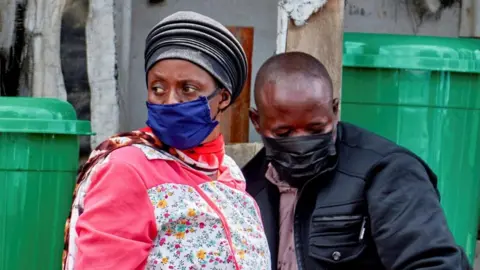
The unrest underscores a deep mistrust of Ebola protocols among communities. Jean Claude Mukendi, coordinating the security response in Ituri province, noted that 'the crowd did not grasp the reality of the disease.' Many residents, particularly in remote areas, believe Ebola is 'an invention by outsiders' created to profit NGOs and hospitals, according to Malembe. Witnesses reported that the deceased footballer, popular in local communities, was believed by his mother to have died of typhoid rather than Ebola.
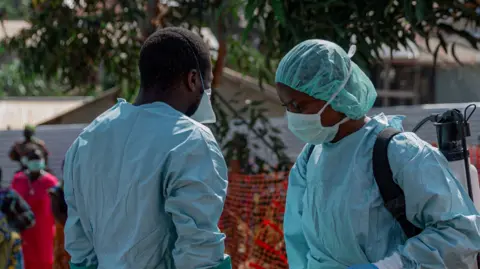
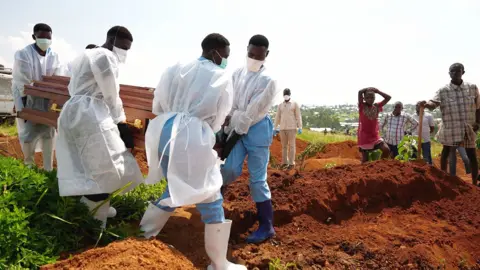
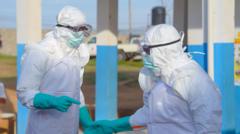
Healthcare workers faced immediate danger during the confrontation. A medical worker was injured by stone-throwing protesters before law enforcement intervened, while six patients in the burning tents fled the chaos. The World Health Organization emphasizes that safe burial protocols are crucial for containing Ebola, but authorities have struggled to implement them without community buy-in. Despite reports that all patients were later accounted for at the hospital by Alima, the incident revealed fragility in the health system.
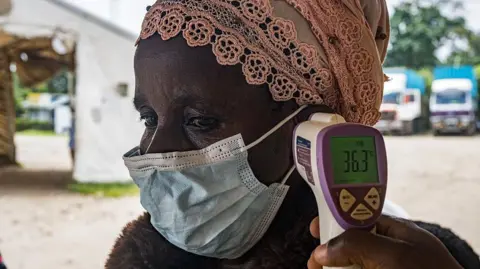
The outbreak has escalated dramatically, with 139 confirmed deaths and 600 suspected cases in DR Congo as of May 21, though the Health Minister reported 159 fatalities. Uganda confirmed two cases across the border, triggering temporary travel bans. Meanwhile, the M23 rebel group reported their first Ebola case in South Kivu province, signaling potential spread into conflict zones. WHO officials warn that without addressing community skepticism, containment efforts remain at risk.
This incident exemplifies the critical challenge facing health authorities: balancing rigorous infection control with cultural sensitivity. As medical teams race to treat patients and build trust, the burning tents stand as a stark symbol of how misinformation and fear can derail public health responses. With Ebola spreading through communities that reject its existence, the path forward requires more than medical intervention—it demands addressing the root causes of distrust that fuel these violent outbursts.}
The unrest underscores a deep mistrust of Ebola protocols among communities. Jean Claude Mukendi, coordinating the security response in Ituri province, noted that 'the crowd did not grasp the reality of the disease.' Many residents, particularly in remote areas, believe Ebola is 'an invention by outsiders' created to profit NGOs and hospitals, according to Malembe. Witnesses reported that the deceased footballer, popular in local communities, was believed by his mother to have died of typhoid rather than Ebola.
Healthcare workers faced immediate danger during the confrontation. A medical worker was injured by stone-throwing protesters before law enforcement intervened, while six patients in the burning tents fled the chaos. The World Health Organization emphasizes that safe burial protocols are crucial for containing Ebola, but authorities have struggled to implement them without community buy-in. Despite reports that all patients were later accounted for at the hospital by Alima, the incident revealed fragility in the health system.
The outbreak has escalated dramatically, with 139 confirmed deaths and 600 suspected cases in DR Congo as of May 21, though the Health Minister reported 159 fatalities. Uganda confirmed two cases across the border, triggering temporary travel bans. Meanwhile, the M23 rebel group reported their first Ebola case in South Kivu province, signaling potential spread into conflict zones. WHO officials warn that without addressing community skepticism, containment efforts remain at risk.
This incident exemplifies the critical challenge facing health authorities: balancing rigorous infection control with cultural sensitivity. As medical teams race to treat patients and build trust, the burning tents stand as a stark symbol of how misinformation and fear can derail public health responses. With Ebola spreading through communities that reject its existence, the path forward requires more than medical intervention—it demands addressing the root causes of distrust that fuel these violent outbursts.}