In brief
As the WHO elevates risk to 'very high', communities in DR Congo face escalating fear with outbreaks spreading into rebel-held areas. Despite promising vaccine developments, violence and distrust are crippling containment efforts, with hospitals recently attacked after families refused to accept bodies of Ebola victims. The outbreak now spans DR Congo and Uganda, demanding urgent international coordination.
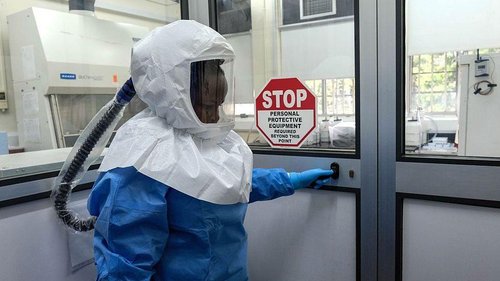
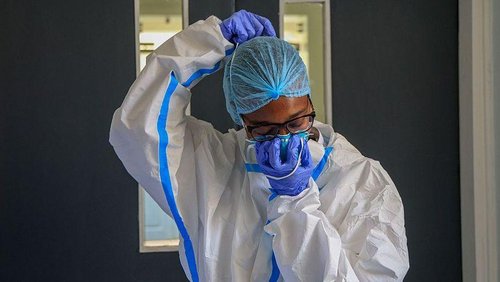
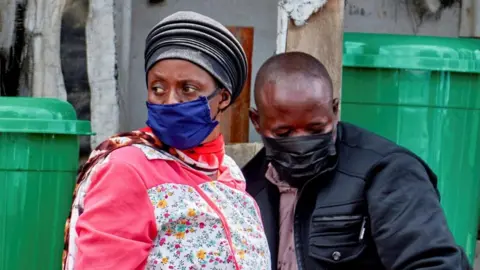
The World Health Organization has raised the public health risk from the Ebola outbreak in the Democratic Republic of Congo from 'high' to 'very high,' marking a critical escalation in the crisis. In an emergency update, WHO Director-General Tedros Adhanom Ghebreyesus declared that while the global threat remains 'low,' the outbreak poses 'high' risks across the wider African region and 'very high' danger within DR Congo itself. With nearly 750 suspected cases and 177 suspected deaths, the Bundibugyo strain—a rare Ebola variant with no approved vaccine—continues spreading through eastern DR Congo, its fatality rate of 30% exacting a devastating toll.The outbreak has intensified amid the deepening conflict in DR Congo, where violence and insecurity severely impede containment efforts. Recent days have seen hospitals under fire: in Bunia, furious relatives set ablaze a medical facility after health workers refused to release a suspected Ebola victim's body, fearing contamination. Police fired warning shots to disperse the crowd, leaving medical staff under military protection. 'Ebola has tortured us,' said a Rwampara taxi driver, echoing widespread terror as communities grapple with the invisible enemy. Health workers in rebel-held areas face constant threats, with the WHO warning that safe burial practices—critical for preventing transmission—cannot be implemented without stable security.Meanwhile, international efforts accelerate to counter the crisis. Oxford University scientists are developing a novel vaccine using AstraZeneca's Covid-19 technology, poised for clinical trials within two to three months. The Serum Institute of India has committed to mass production should the vaccine prove viable. Dr. Vasee Moorthy, WHO's R&D adviser, called this 'the most promising' avenue, comparing it to the existing Ervebo vaccine for the Zaire strain. But experts caution this is not a guaranteed solution: animal testing is already underway, yet success requires months of trials and regulatory approval.The WHO chief stressed the need for coordinated global action, emphasizing that Uganda's two confirmed cases—both linked to travelers from DR Congo—highlight the outbreak's regional reach. 'The situation is dire in conflict-affected areas,' Tedros stated, noting that 82 cases have been confirmed in DR Congo with seven deaths. While the global risk remains 'low,' he warned: 'We must act swiftly to prevent further escalation.'For now, eastern DR Congo's residents remain trapped between desperation and fear. With hospitals burning and corpses denied proper burials, the pandemic's invisible threat compounds existing humanitarian catastrophes. As vaccine development races forward, communities demand not only medical aid but also the security needed to survive.}