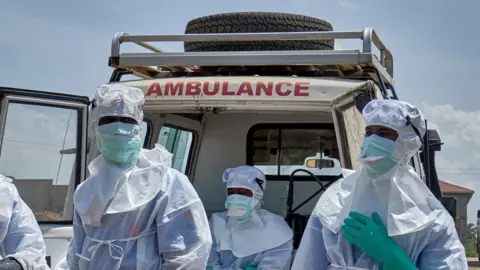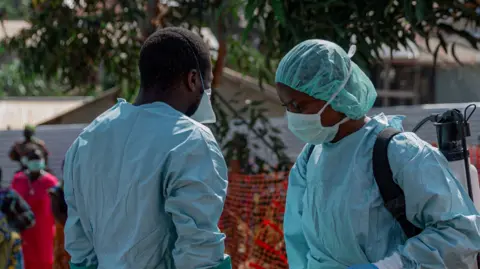
At the Wanamahika Hospital in Butembo, armed men stormed the facility and seized a six‑year‑old Ebola patient and her mother. Local health officer Dr Lubambo Maboko Gaston confirmed that the child was taken by men wielding knives, describing them as "very angry".
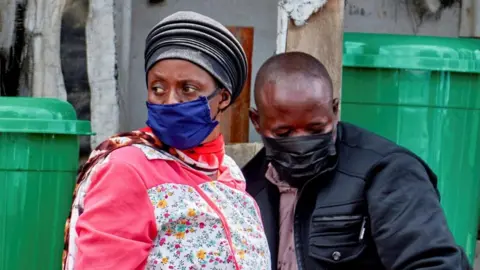
It remains unclear whether the abductors knew the child, but fear and mistrust that plague Ebola treatment centres has spurred violence. Authorities warned that residents who resist or sabotage treatment facilities risk worsening their illness and infecting relatives.
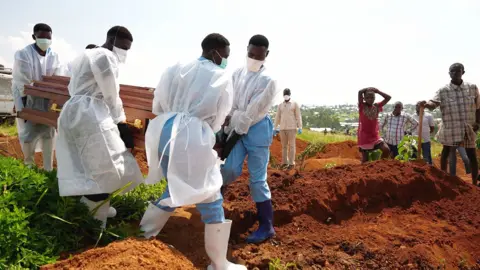
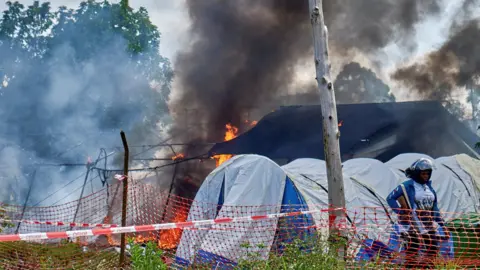
The attack is part of a pattern of hostility towards Ebola facilities. Earlier this month, crowds in Mongbwalu fired shots in the air, and in Rwampara a blaze was set to isolation tents after a loved one’s body, believed to have died of Ebola, was denied burial by the health centre.
Broader concerns are sparked by the persistent lack of a vaccine for the Bundibugyo strain, the current culprit of the outbreak. The World Health Organization and Africa’s Centers for Disease Control have pledged substantial funding, yet the outbreak remains one of the largest in history, threatening to exceed the 11,000 deaths observed in West Africa a decade ago.
Efforts to trace contacts and provide treatment have been hampered by conflict, especially in St. Kivu and North Kivu where rebel actors dominate. "We cannot win if we do not reach all those at risk," said WHO spokesperson Jean Kaseya to a panel of African heads of state.
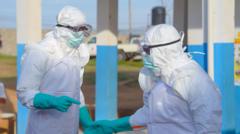
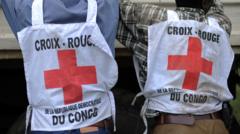
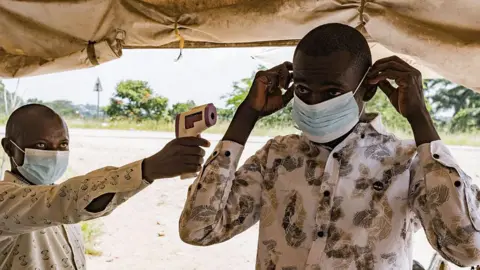
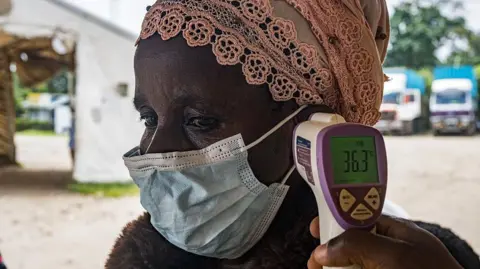
Health ministers have intensified surveillance in affected provinces and established dedicated treatment centres. Meanwhile, the WHO has allocated $3.9 million, and the Africa CDC announced $319 million in support funds.
Find out more on the Ebola outbreak in DRC: BBC Africa news.