In brief
On Wednesday, progressive lawmakers introduced a bill seeking to halt new data centers across the U.S. until federal safeguards are implemented. The proposal stems from concerns about rising electricity costs and environmental impacts associated with the expansion of artificial intelligence infrastructure. While the bill faces skepticism in Congress, it represents a growing demand for governmental oversight in the tech revolution. Lawmakers assert that without adequate regulation, the influence of tech giants could reshape economic and democratic structures.
WASHINGTON (AP) — Two high-profile progressive lawmakers are introducing a bill Wednesday that would pause new data centers in the United States until national safeguards are in place to protect workers and consumers and ensure the technologies don’t harm the environment.
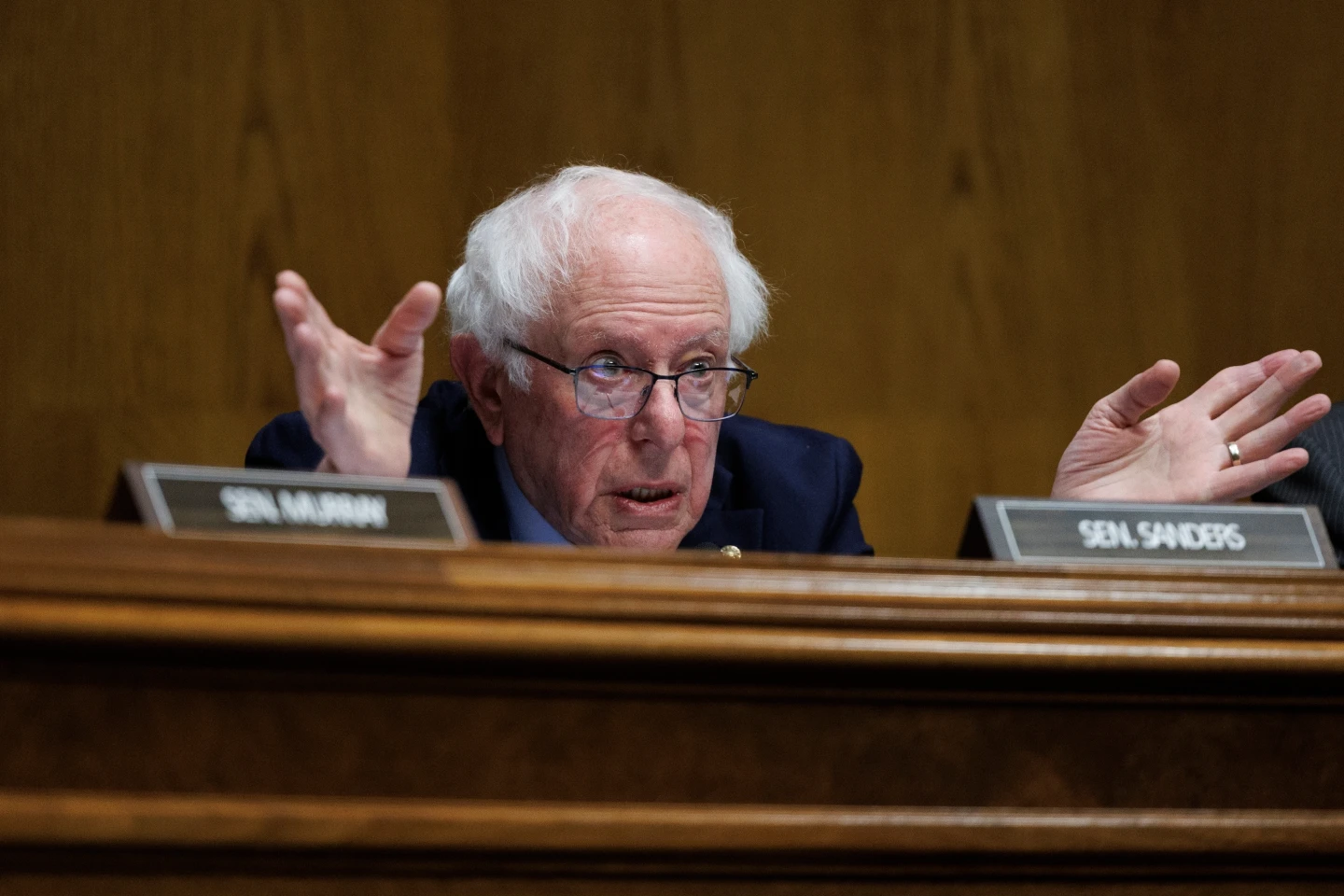
The legislation by Democratic Rep. Alexandria Ocasio-Cortez of New York and Vermont independent Sen. Bernie Sanders is unlikely to advance in either the House or Senate, but it shows the deep concerns many progressives share about the growing impact of data centers and artificial intelligence.
Communities across the country have seen a backlash against data centers over fears about rising electricity prices and concerns about pollution and water consumption. Opposition to rising power prices was also a key factor in Democratic wins last year in elections in states including Georgia, Virginia and New Jersey.
Although advances in artificial intelligence are seen by leaders as critical to the nation’s economic and national security, their growing energy needs are threatening to overwhelm the power grid. There has been strong pushback concerning the implications of AI and data centers as technology continues to evolve.
Voters need more than voluntary assurances from tech companies, Sanders stated ahead of the bill’s formal introduction. He emphasized the need for public debate and regulatory measures regarding such significant changes to society.
Opposition to a moratorium comes from both sides of the aisle, with some lawmakers arguing that delaying progress may provide an advantage to global competitors, notably China. Lawmakers fear that hampering development in the AI sector could lead to the U.S. losing its lead in technology.
As electricity consumption in the U.S. hits record highs, the urgency for thoughtful legislation grows. A traditional AI-focused data center consumes as much electricity as 100,000 households, showcasing the scale of the challenge at hand.
The bill aims to address critical debates surrounding data centers, including their impact on local economies and the environment, calling for a dialogue that includes various stakeholders and public interests to prevent negative consequences from unchecked technological growth.