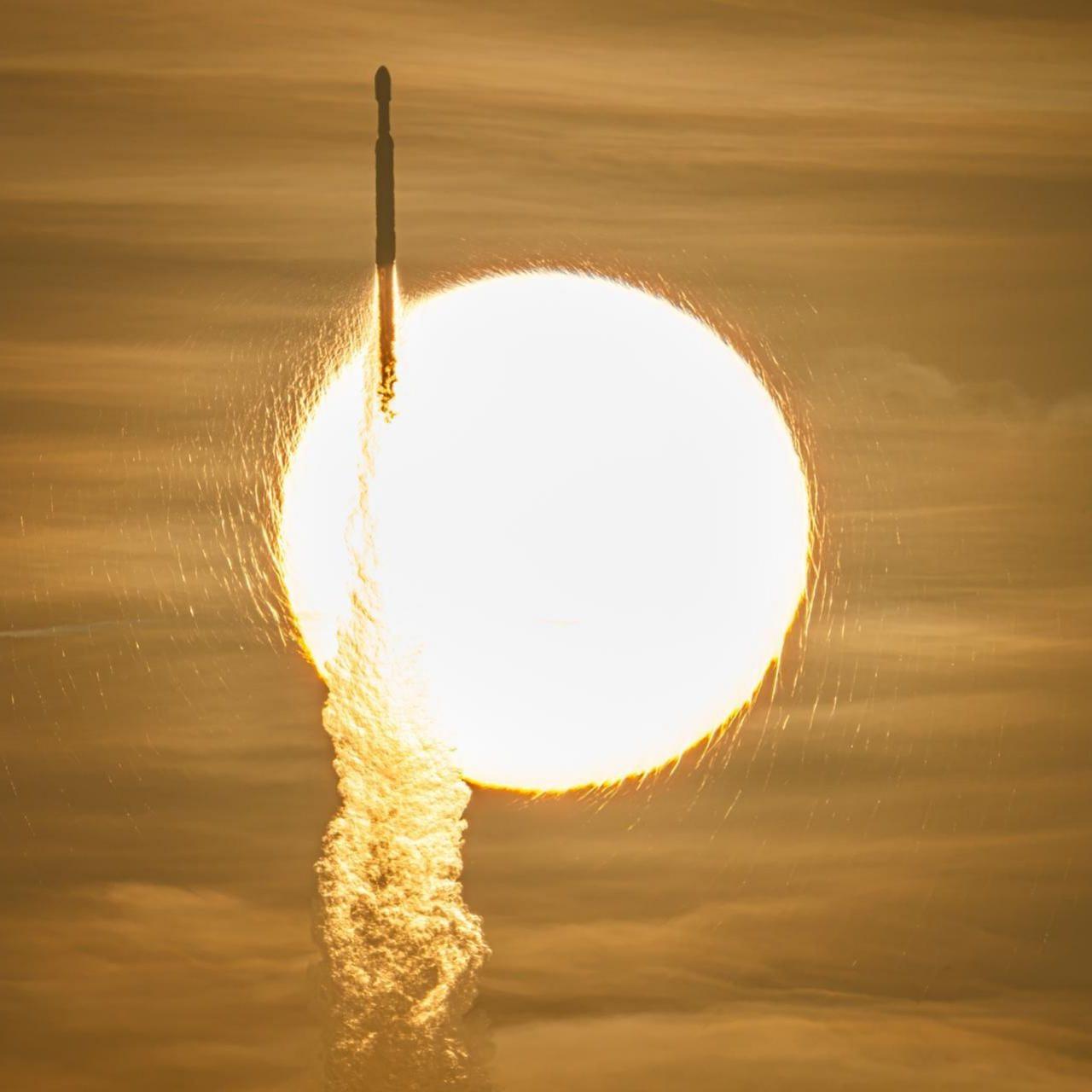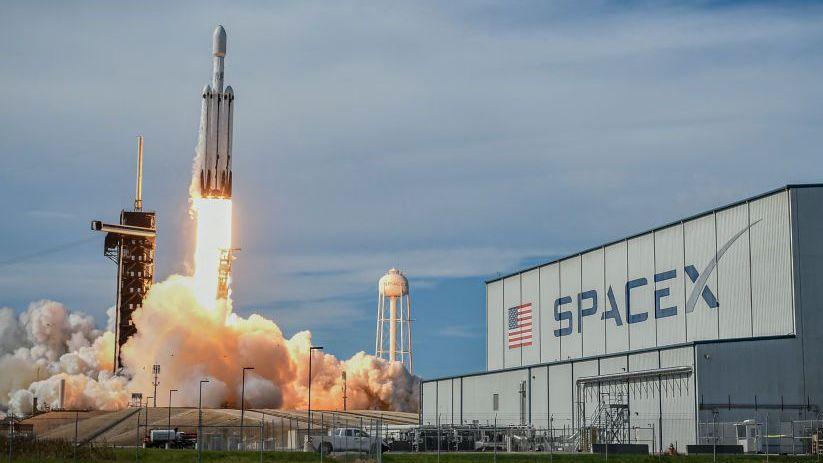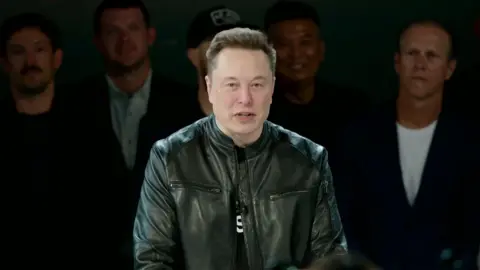
Elon Musk achieved the status of the world's first trillionaire after the launch of SpaceX’s share sale, lifting the company’s market value to $2.2 trillion on the Nasdaq.
The stocks opened at $135 each but rose to $176 before settling around $161, a level that translates to $767 billion for Musk’s 42% ownership. These shares form almost the entirety of his net worth, which is also augmented by stakes in Tesla.
Musk’s new fortune is roughly comparable to the entire GDP of Poland, prompting critics to question the concentration of economic power and the social implications of such wealth. Politicians, including senators Bernie Sanders and Elizabeth Warren, urged caution and advocated for a wealth tax, while supporters praised the hype behind the company’s vision of a lunar economy and expanded Starlink network.
Despite the excitement, SpaceX remains unprofitable, having lost more than $9 billion in 2025 and 2026. The company's valuation is largely built on optimistic future gains, especially in AI and satellite infrastructure projected by its prospectus.
A significant portion of the workforce and investors now hold shares due to the IPO, raising concerns about how their pension funds and savings accounts will react to market swings. The long‑term performance of SpaceX will therefore be crucial for both high‑net‑worth investors and the average public.
SpaceX’s ambitions, including the potential lunar economy and the integration of AI via its recent acquisition, exemplify the bold plans that keep the company at the centre of public attention, even as debates about regulatory oversight and wealth distribution continue.