In brief
Purdue Pharma, the maker of OxyContin, might soon have a path forward as a bankruptcy court hearing concludes with overwhelming support for its settlement plan. This settlement aims to address thousands of lawsuits tied to the opioid crisis, which has resulted in nearly 900,000 deaths in the U.S. since 1999. While many victims back the plan, some express concerns about its adequacy and the Sackler family's responsibility. The approval would mark a significant step in addressing the ongoing opioid epidemic and provide financial resources for recovery efforts.
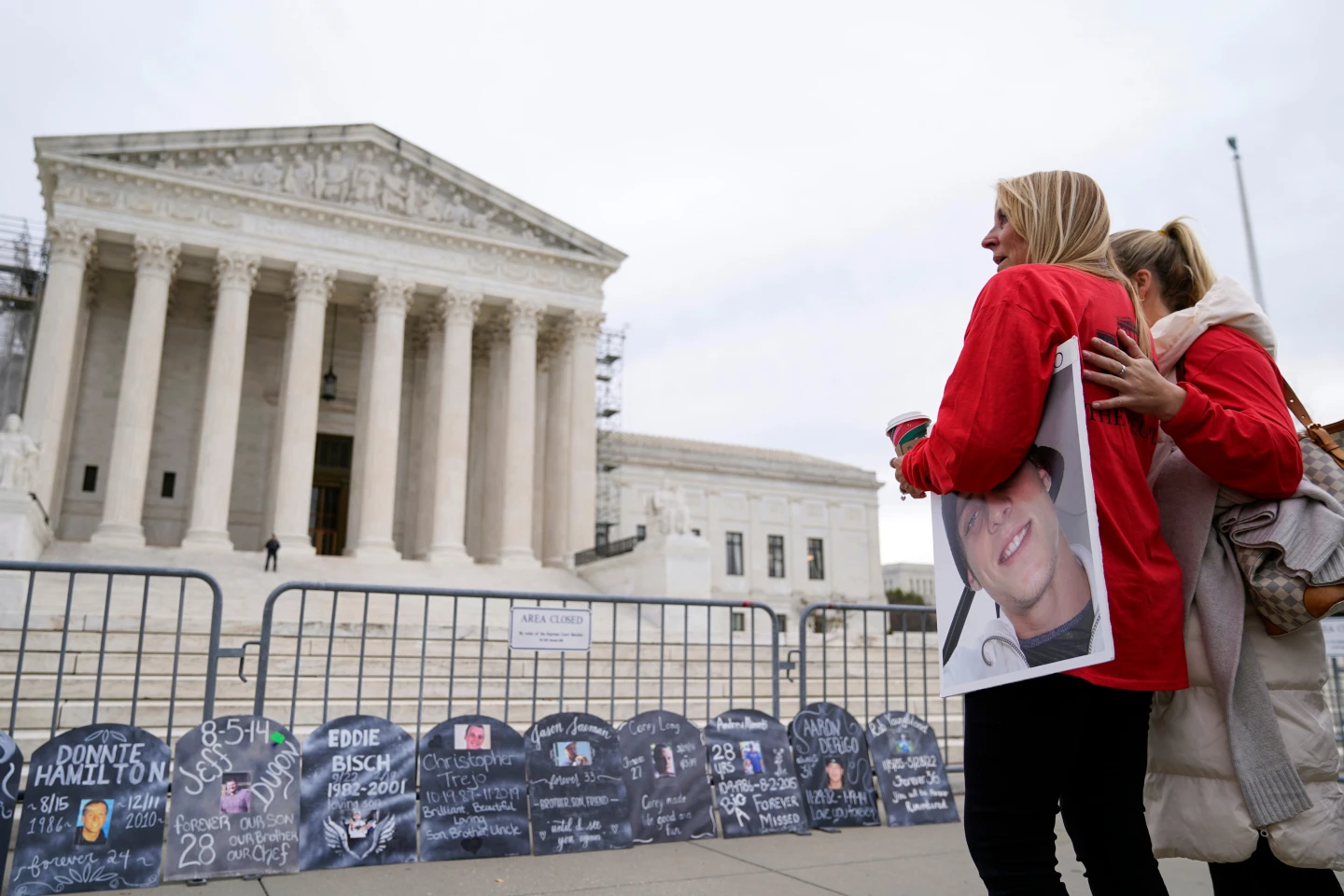
NEW YORK (AP) — Legal representatives for Purdue Pharma and various plaintiffs, including states and cities impacted by the opioid crisis, gather to advocate for a bankruptcy settlement plan that could resolve myriad lawsuits against the company. The hearing could signal an end to Purdue's tumultuous legal journey amidst a crisis connected to nearly 900,000 U.S. deaths due to opioid-related issues since 1999.
Judge Sean Lane is expected to deliberate on the almost unanimous consensus among representatives advocating for the approval, a pivotal move that could potentially close a significant chapter in the fight against the opioid epidemic.
Statements from parties involved highlight a marked shift from previous hearings, with only a handful of individuals expressing opposition this time. Amid a vote from over 54,000 victims, only 218 rejected the plan, indicating a broad agreement towards accepting the settlement.
Many objectors raised their voices during hearings, insisting that the settlement should prioritize direct compensation to victims over governmental bodies. Some lamented the perceived leniency offered to the Sackler family, owners of Purdue, who could face civil, but not criminal, accountability through this agreement.
If approved, Purdue Pharma’s restructured entity would be significantly focused on allocating future profits towards combating the ongoing opioid crisis, while roughly $850 million is earmarked for individuals harmed by the drugs, ensuring some financial relief for victims.
This settlement plan, should it gain judicial approval, would mark one of the largest agreements within the series of opioid-related legal battles, and ideally, bolster initiatives intended to mitigate the crisis that has overwhelmingly affected American communities.