DES MOINES, Iowa (AP) — Four Republican-led states agreed to settle lawsuits against the federal government over access to voters’ citizenship data, ending a dispute that began with the Biden administration in advance of the 2024 presidential election.
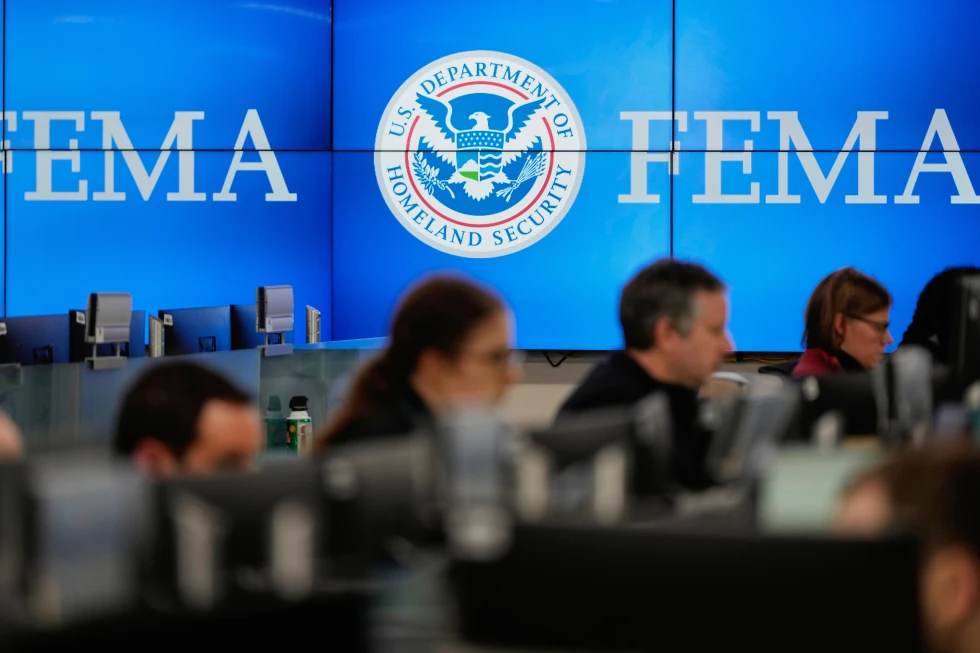
Officials in Florida, Indiana, Iowa and Ohio entered the settlement with the Department of Homeland Security a year after individually suing the agency. The states alleged the previous administration was withholding crucial information about citizenship status needed to determine if registered voters were eligible to cast ballots.
With the settlement, the states can now run searches for thousands of voters using names, birthdays, and Social Security numbers through the upgraded Systematic Alien Verification for Entitlements program. The agreement outlines that states may share driver’s license records to aid in modernizing DHS databases.
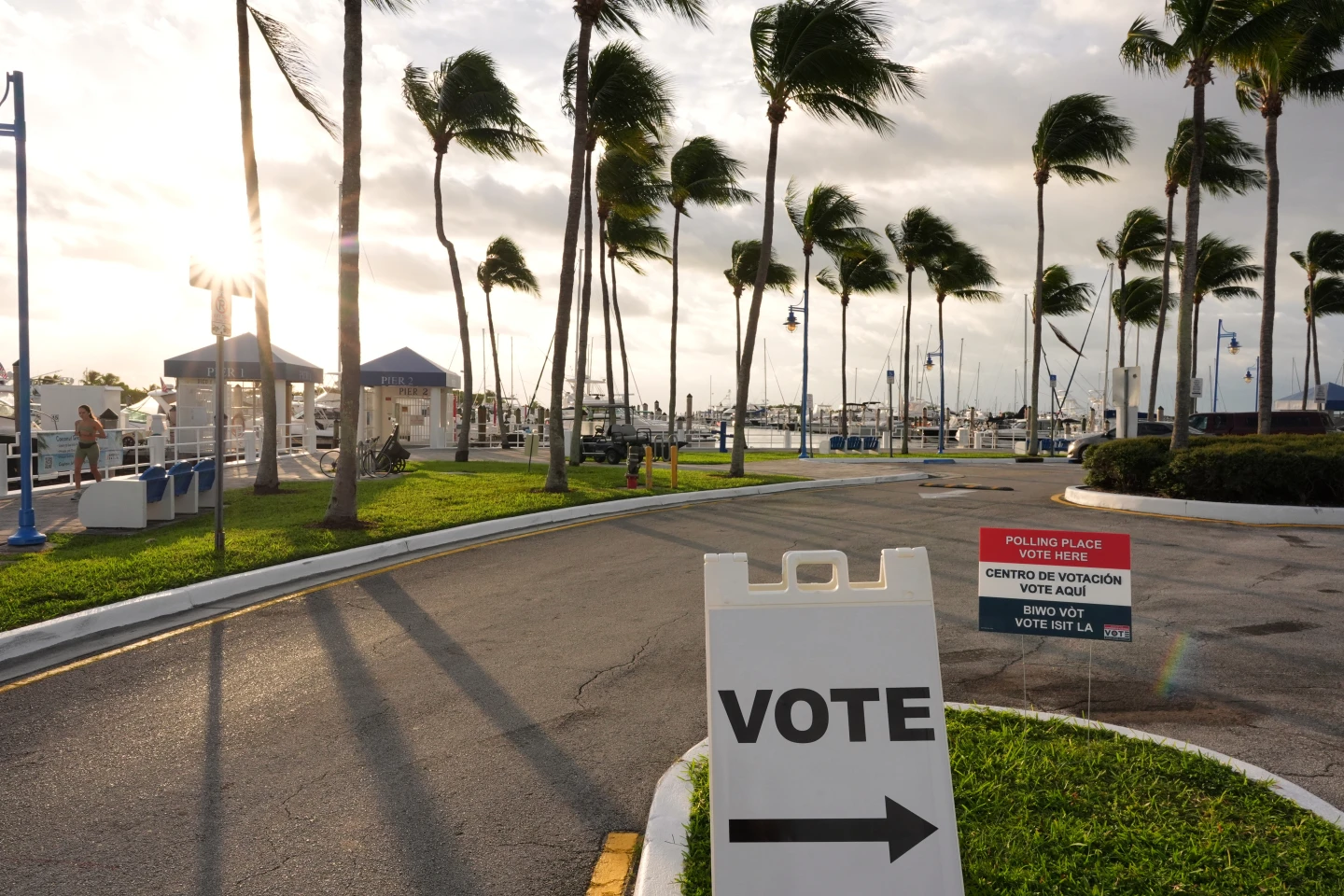
Skepticism remains, as voting rights advocates warn of potential unlawful voter roll purges, especially within the context of the upcoming 2026 midterm elections. This enhanced program, known as SAVE, is already drawing legal scrutiny from groups concerned about its implications.
Voting by noncitizens is illegal in federal elections and can lead to severe penalties, yet state reviews indicate that instances of noncitizen registrations are rare. Despite these facts, the urgency of such measures reflects ongoing alarm among many Republicans regarding the potential influence of noncitizen voters, a narrative bolstered by unfounded claims suggesting widespread voting fraud.
The SAVE program's operational aspects have been streamlined in recent months, significantly reducing the barriers for state officials looking to verify voter citizenship on a larger scale. The settlement mandates the establishment of a memorandum of understanding within 90 days to further outline the use of the SAVE program and improve data sharing between states and the federal government.