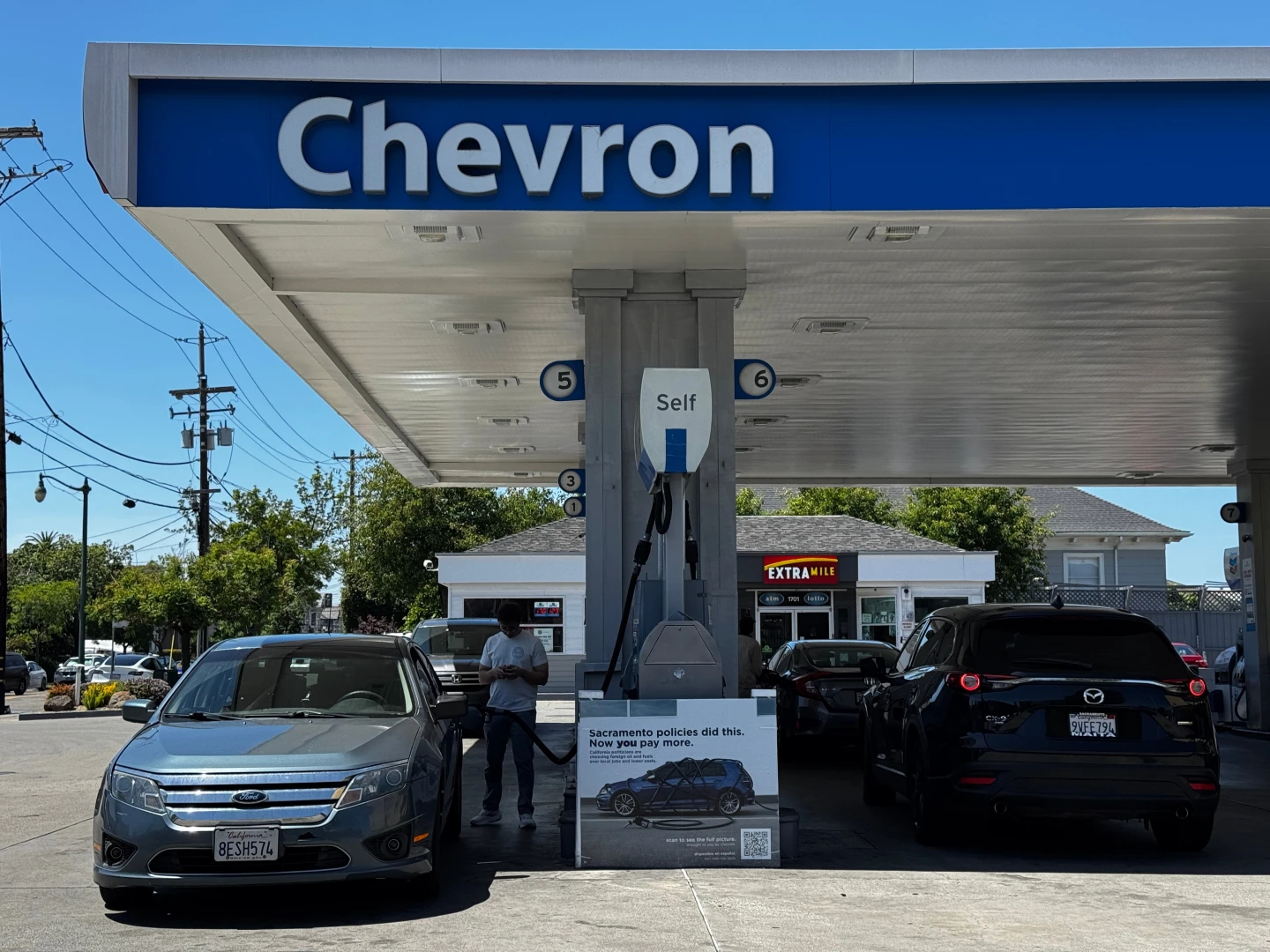
Leslie Sherman-Shafer, an Uber driver in the San Francisco Bay Area, finds it increasingly difficult to start her shifts due to soaring gas prices. A tank of fuel that used to cost her $25 has jumped to nearly $40, significantly impacting her income.
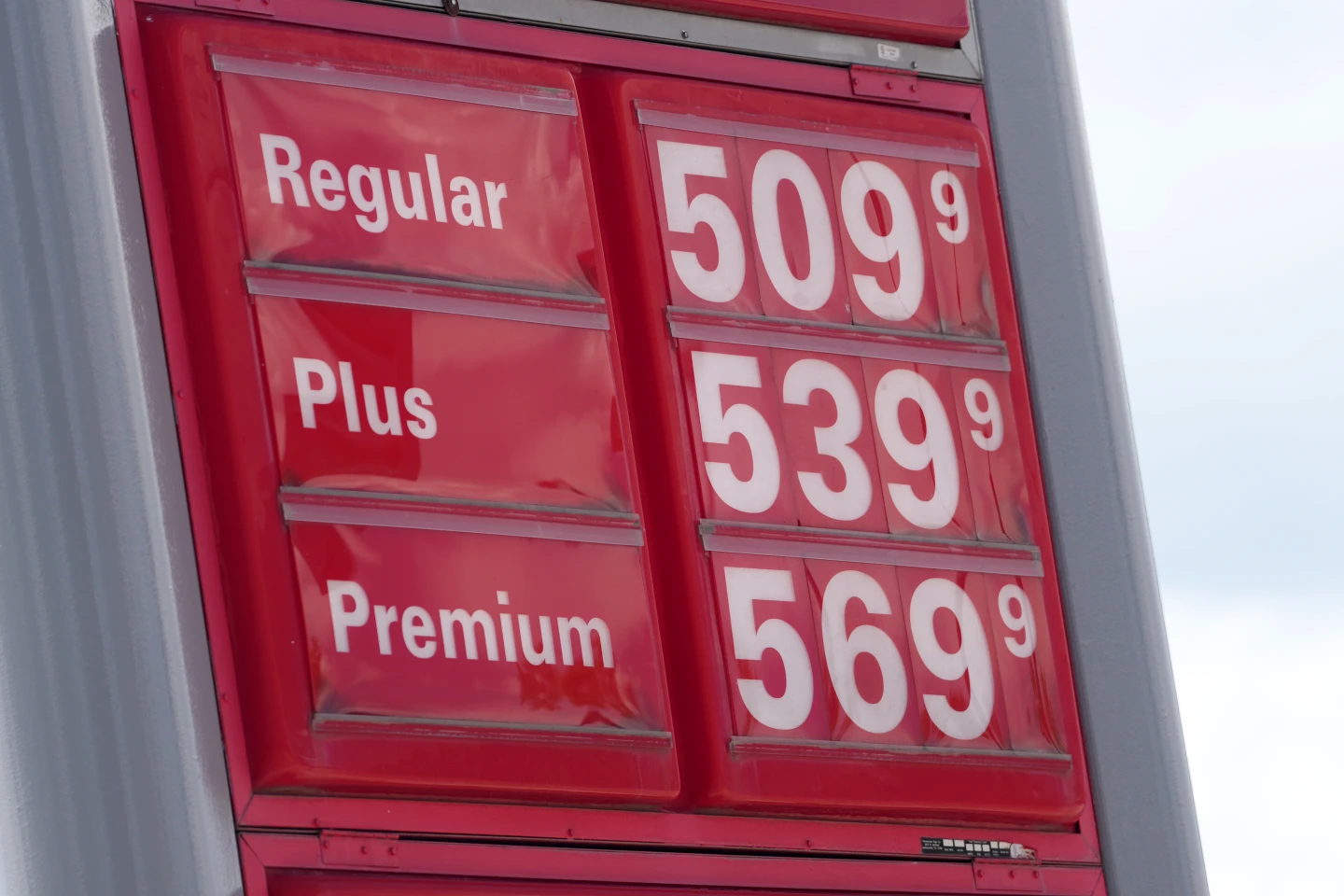
As the average price for gas hit $3.99 per gallon, a 34% rise from the previous month, many drivers are forced to work longer hours. We don’t get reimbursed for gas. We rely on the generosity of the tip, said Sherman-Shafer, highlighting a common concern among gig workers.
According to the U.S. Bureau of Labor Statistics, driving is a significant part of many jobs with nearly 27% of civilian workers reporting driving as a physical demand. This includes various professions such as delivery drivers, home health aides, and real estate agents.
As the ongoing conflict continues to disrupt global oil supplies, many workers are scrambling to make ends meet. For instance, Chris Willatt, who runs a housekeeping business, claims that rising gas expenses have effectively reduced his employees' paychecks.
In response to soaring costs, some companies are adjusting their compensation strategies. Alpine Maids provides a mileage reimbursement rate of 72.5 cents per mile for its employees. However, with prices rising, staying profitable while paying fair wages has become challenging.
Meanwhile, gig companies like DoorDash and Uber are reacting by offering temporary fuel incentives to alleviate pressures on drivers, but many report a drop in customer tipping.
As gas prices continue to strangle the finances of gig workers and small business operators alike, the balance between income and expenses remains tenuous, putting further financial strain on many American households.