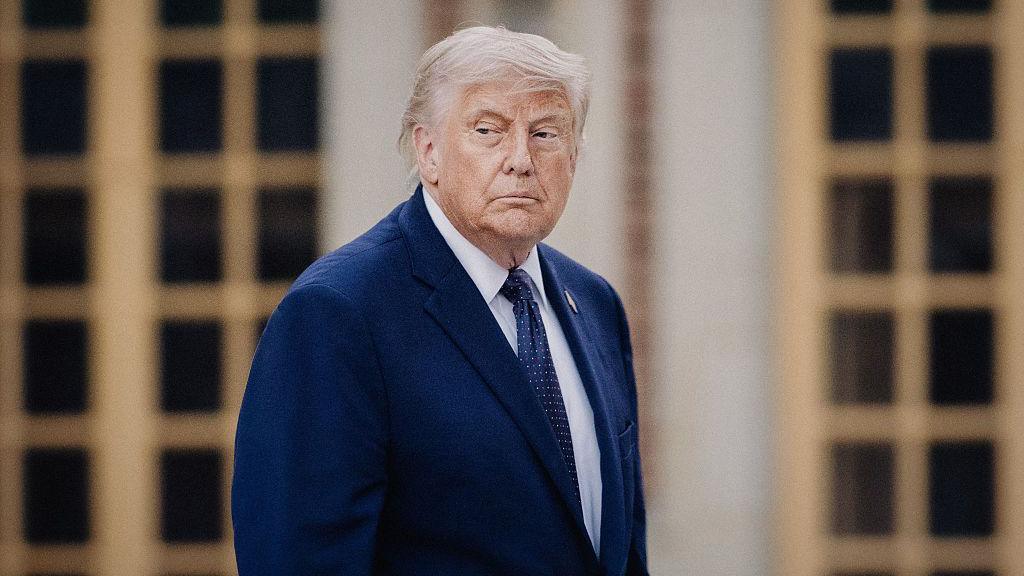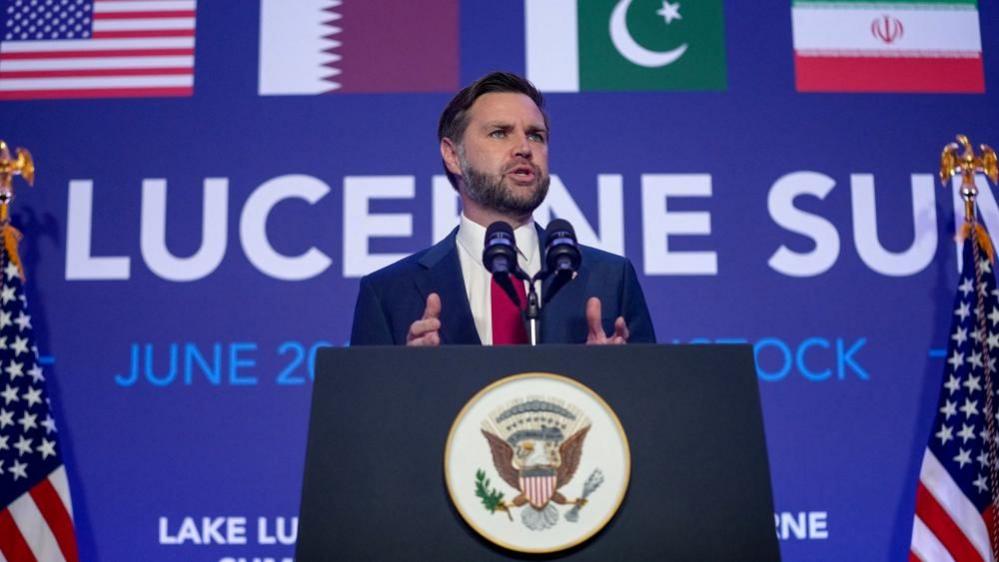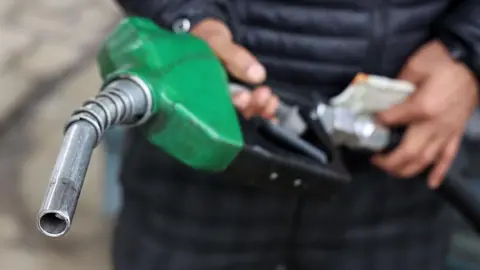
Oil prices jumped above $100 a barrel as energy markets reopened on Monday in Asia following talks between the US and Iran that ended without a new deal. Donald Trump announced plans to blockade Iranian ports, fueling further instability.
Global benchmark Brent crude is up by 8.5% at $102.37 (£77.15), while West Texas Intermediate rose by 9% to reach $105.34.
The failure of weekend negotiations has intensified apprehensions over an impending global energy crisis.
The price of oil plummeted below $100 last Wednesday after Washington and Tehran established a conditional two-week ceasefire deal that included the opening of the vital Strait of Hormuz trade waterway.
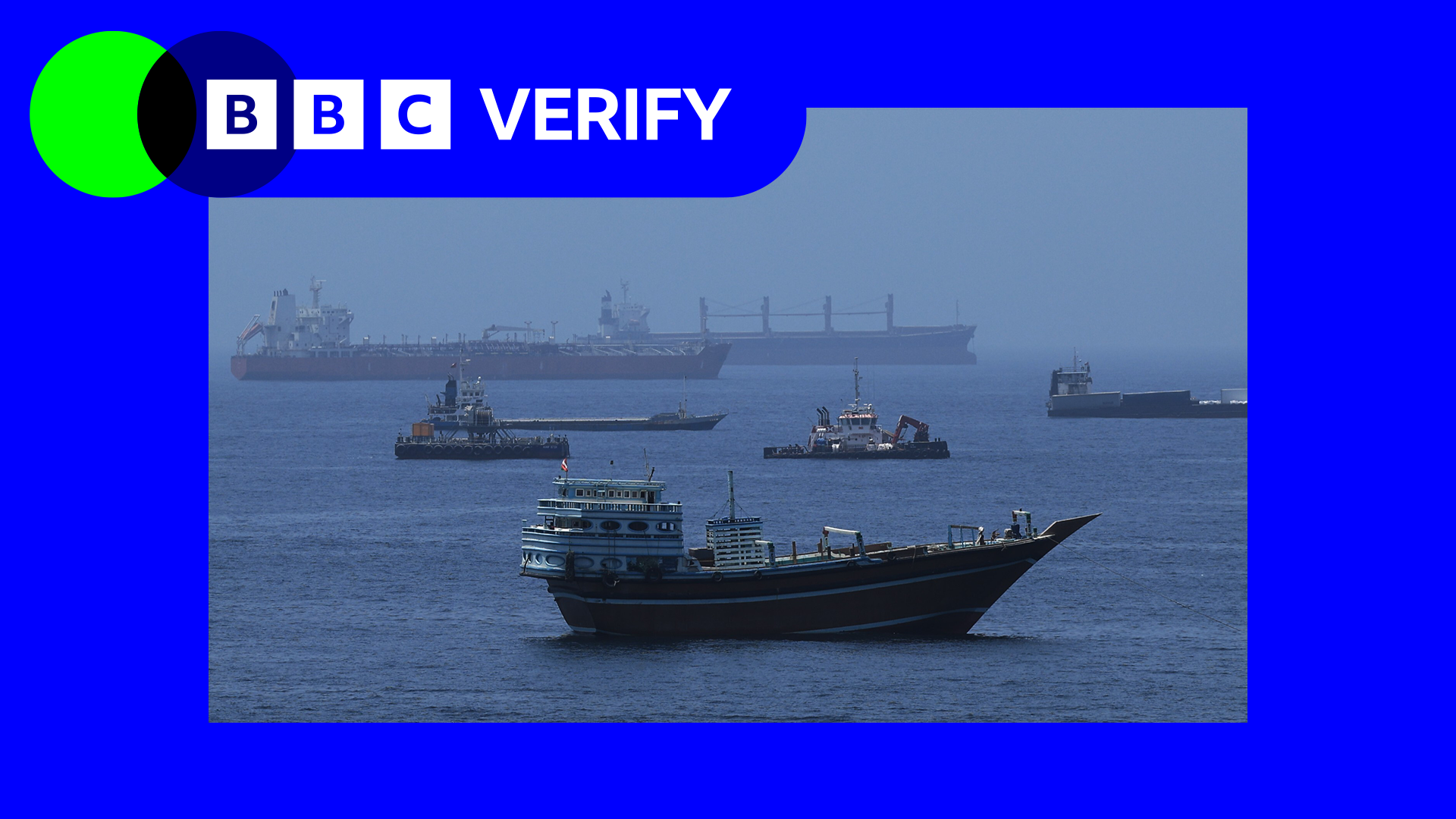
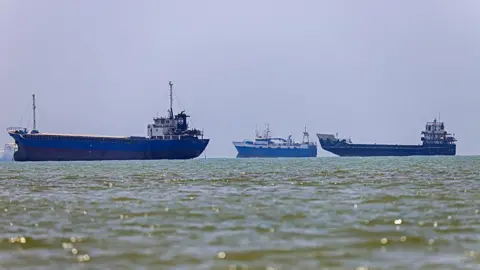
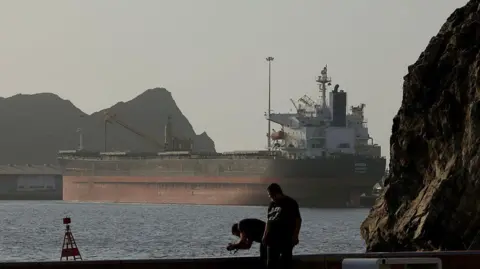
The strait, through which 20% of the world’s energy shipments traverse, has become a significant flashpoint in the Iran war, with Tehran threatening to retaliate against vessels attempting to navigate it after US-Israeli strikes.
Shipments have been stagnant since conflict erupted on February 28, though some nations, like India and Malaysia, have secured safe passage for their vessels.
As a result of these disruptions, energy prices have surging globally.
Trump declared on Truth Social that the US will initiate a blockade on any ships attempting to enter or exit the Strait of Hormuz.
US Central Command (Centcom) confirmed that the blockade of traffic to and from Iranian ports would commence at 10:00 ET (14:00 GMT) on Monday, stating it would be enforced 'impartially against vessels of all nations.' However, ships traveling to and from non-Iranian ports in the Strait of Hormuz will not be impeded.
Iranian parliamentary speaker Mohammad Bagher Ghalibaf, who headed Tehran's negotiations, asserted that the nation would not yield to threats.
The Iranian Islamic Revolutionary Guard Corps (IRGC) has also warned that any military vessels approaching the strait will be viewed as breaching the ceasefire between Washington and Tehran, and will face severe consequences.