In brief
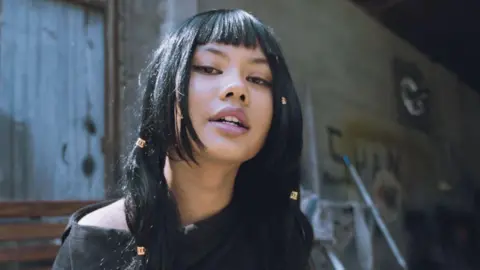
At just 24, Reble has made waves in the Indian hip-hop scene, crafting a unique sound that resonates deeply with her roots in Meghalaya. Her journey is marked by a defiance against mainstream expectations and a commitment to authenticity. With hits featured in Bollywood soundtracks and a distinctive lyrical style that bridges her indigenous languages with English, Reble is not just an artist—she's a cultural ambassador reflecting the evolving narrative of Northeast India.
As a child, Reble often felt she was watching life from the sidelines. Now, at 24, the rapper has become one of the most compelling new voices in Indian hip-hop.
Hailing from the rain-soaked hills of Meghalaya in India's northeast, Reble raps in English as well as Khasi and Jaintia—indigenous languages spoken by tribal communities in the region. She writes about distance, reinvention, and survival with an emotional restraint that feels unusually deliberate.
Until recently, she was known mostly within Shillong's close-knit music circles—a city better known for rock bands, church choirs, and old guitar legends than hip-hop. Her breakout moment came with Dhurandhar, the Bollywood action film whose soundtrack introduced millions to her cool, clipped delivery. On tracks like Run Down the City: Monica, Naal Nachna, and Move - Yeh Ishq Ishq, Reble's restrained verses cut through the film's louder, more chaotic energy, quickly making her a fan favourite.
Her latest single, Praying Mantis, released this week, has again made her a talking point, with fans dissecting the dark, hypnotic track online. Reble's rise reflects a wider shift, as artists from India's northeast begin finding audiences far beyond the region—long considered culturally distant from the mainland.
I don't like anybody telling me what to do, she tells the BBC, embodying her instinctual resistance against fitting neatly into mainstream norms. This defiant spirit was cultivated early in life. Navigating through boarding schools, she became used to the feeling of being an outcast, recalling how peers would refer to her as the weird girl.
Reble transformed her feelings of isolation and rebellion into art. The stage name represents her alter ego—a personal rebellion that created an outlet for her to express her emotions. Unlike many Indian rappers who project loud bravado, Reble brings a tighter, more subdued approach, subtly articulating her experiences and struggles through her music.
Despite her rapid rise, Reble faces backlash. Some listeners accuse her of selling out after her Bollywood success, while others label her music as anti-Christian due to its references to demons—a provocative subject in Meghalaya, where church culture is pervasive. Yet, she faces these criticisms with humor, claiming, When you get commercial success, people think you sold your soul.
For Reble, her art remains an act of collaboration and experimentation rather than compromise. She explains that her connection to Shillong—and the rich musical tapestry of Meghalaya—fuels her creativity. She infuses pride in her heritage through her lyrics, illustrating her duality as both a Jaintia tribal artist and a global citizen connecting deeply with audiences.
As she charts her path forward, Reble's story speaks to a broader narrative of inclusivity in Indian pop culture, highlighting how voices from previously sidelined regions are coming to the forefront. As Reble herself puts it, The biggest lesson so far is that consistency is key. Her journey illustrates that beneath every melody lies persistence, authenticity, and an unabashed love for the craft she embodies.