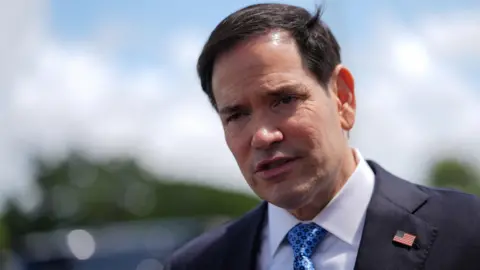
U.S. Secretary of State Marco Rubio has declared Cuba a 'national security threat' to the United States, stating the likelihood of a peaceful diplomatic solution is 'not high' amid escalating tensions with Havana. The remarks follow the U.S. government's indictment of former Cuban President Raúl Castro for the 1996 downing of two aircraft that killed American citizens.
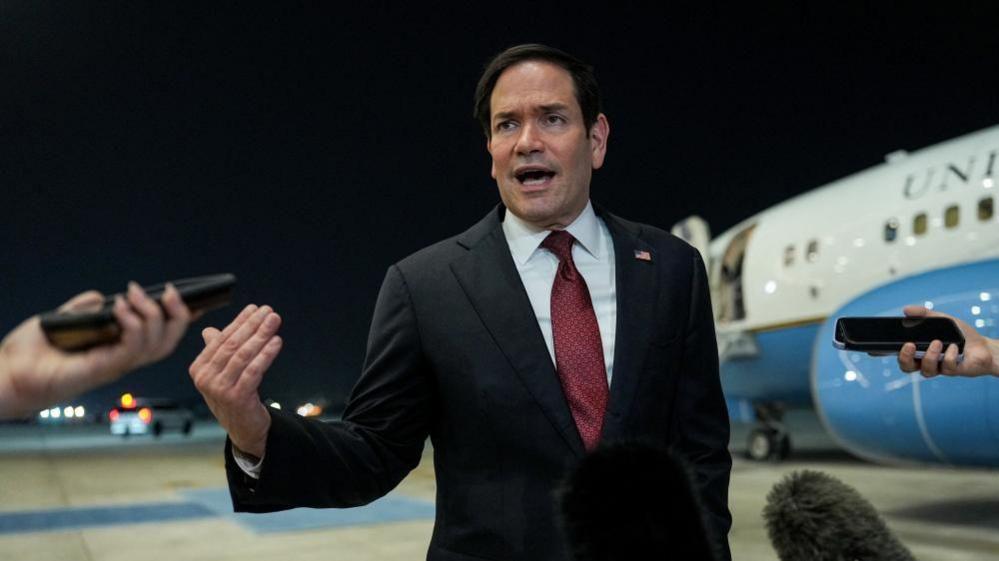
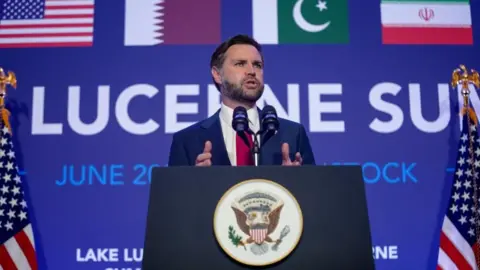
During a Thursday press briefing at Homestead Air Reserve Base, Rubio acknowledged diplomacy as 'our preference' but warned: 'I'm just being honest with you, the likelihood of that happening, given who we're dealing with right now, is not high.' He further accused Cuba of being 'one of the leading sponsors of terrorism in the entire region,' a charge Cuban Foreign Minister Bruno Rodríguez immediately rejected as 'false' in a social media post, denouncing the U.S. as engaging in 'ruthless and systematic' attacks against Cuba.
The crisis deepens as Cuba grapples with an energy blackout crisis, with citizens enduring extended power outages and severe food shortages. While the U.S. has offered $100 million in humanitarian aid, Havana has not accepted the assistance. Trump administration officials cited the humanitarian situation as a reason for continued pressure, with President Donald Trump labeling Cuba a 'failed country' and stating his administration is helping 'on a humanitarian basis.'
Rubio's statement comes days after Acting Attorney General Todd Blanche announced charges against Castro in Miami, a move criticized internationally with Russia and China condemning the U.S. action. When asked how the U.S. would bring Castro to face charges, Rubio avoided specifics: 'I'm not going to talk about how we're going to get him here... why would I say to the media what our plans are about that?'
Analysts warn the situation risks further deterioration as both sides harden positions. While the U.S. asserts national security concerns, Cuba maintains its government remains the legitimate representative of the Cuban people. With fuel shortages worsening daily conditions and U.S. sanctions intensifying, citizens on both sides await the next move in a conflict that has endured for over five decades.}
During a Thursday press briefing at Homestead Air Reserve Base, Rubio acknowledged diplomacy as 'our preference' but warned: 'I'm just being honest with you, the likelihood of that happening, given who we're dealing with right now, is not high.' He further accused Cuba of being 'one of the leading sponsors of terrorism in the entire region,' a charge Cuban Foreign Minister Bruno Rodríguez immediately rejected as 'false' in a social media post, denouncing the U.S. as engaging in 'ruthless and systematic' attacks against Cuba.
The crisis deepens as Cuba grapples with an energy blackout crisis, with citizens enduring extended power outages and severe food shortages. While the U.S. has offered $100 million in humanitarian aid, Havana has not accepted the assistance. Trump administration officials cited the humanitarian situation as a reason for continued pressure, with President Donald Trump labeling Cuba a 'failed country' and stating his administration is helping 'on a humanitarian basis.'
Rubio's statement comes days after Acting Attorney General Todd Blanche announced charges against Castro in Miami, a move criticized internationally with Russia and China condemning the U.S. action. When asked how the U.S. would bring Castro to face charges, Rubio avoided specifics: 'I'm not going to talk about how we're going to get him here... why would I say to the media what our plans are about that?'
Analysts warn the situation risks further deterioration as both sides harden positions. While the U.S. asserts national security concerns, Cuba maintains its government remains the legitimate representative of the Cuban people. With fuel shortages worsening daily conditions and U.S. sanctions intensifying, citizens on both sides await the next move in a conflict that has endured for over five decades.}