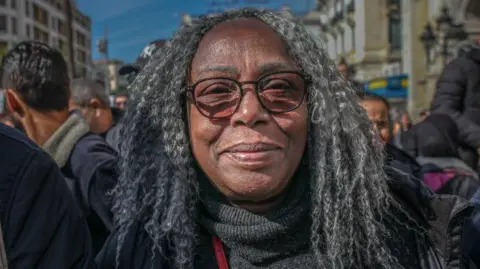
A Tunisian court has sentenced human rights activist Saadia Mosbah to eight years in prison and fined her £26,000 ($35,000). Mosbah, who leads the anti-racism group Mnèmty, was arrested in May 2024 on charges including money laundering and illicit enrichment.
The 66-year-old has long been a prominent advocate for sub-Saharan migrants in Tunisia, especially after a controversial speech by President Kais Saied in 2023, in which he referred to hordes of illegal migrants as a demographic threat. This was in the wake of intensified crackdowns on migrants, which rights groups fear are part of a broader effort to dismantle civil society.
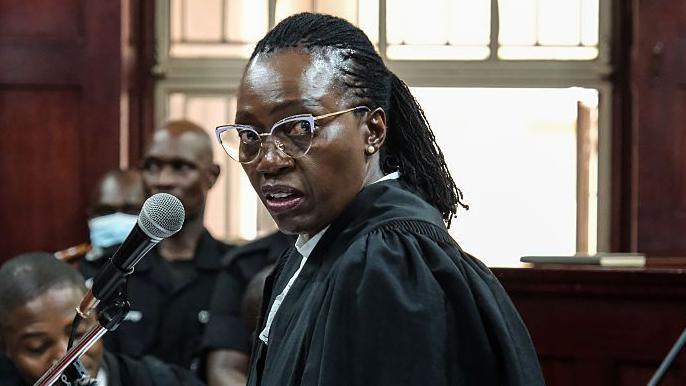
Since President Saied dissolved parliament in 2021, numerous opposition figures and rights organizations have warned of an ongoing erosion of rights and freedoms in Tunisia. The verdict is a major shock, and it is part of a broader effort to dismantle civil society groups and shift responsibility for the state's failure to address the migrant issue onto these groups, said Mosbah's lawyer, Hela Ben Salem.
Additionally, authorities have suspended the activities of several prominent civil society organizations, including the Tunisian Forum for Economic and Social Rights, citing foreign funding audits.
During the trial, Mosbah's legal team maintained her innocence, arguing that she and other activists were being unfairly targeted. Following the hearing, Mosbah's son received a three-year sentence, and another campaigner was handed a two-year term.
The Observatory for the Protection of Human Rights Defenders has called for her immediate release, raising concerns about her health as she faces a lengthy prison sentence. They characterized her prosecution as part of a pattern of intensifying repression against civil society in Tunisia, highlighting the implications for independent advocacy and humanitarian work amidst rising migration flows from Africa.
In response to increasing migration, Tunisian authorities have escalated security measures, deporting thousands of migrants to their countries. Rights organizations warn this crackdown jeopardizes humanitarian work and narrows the scope for independent advocacy.