ATLANTA (AP) — A movement among anti-tax advocates is gaining momentum as various states aim to eliminate property taxes for homeowners. With rising property values, homeowners are facing escalating tax bills, leading to calls for significant reform.
Proponents of eliminating these taxes argue that such measures would relieve homeowners from financial pressure. However, these changes could cost states billions and raise concerns about how local governments and schools will fund essential services without property tax revenue.
State Efforts and Political Implications
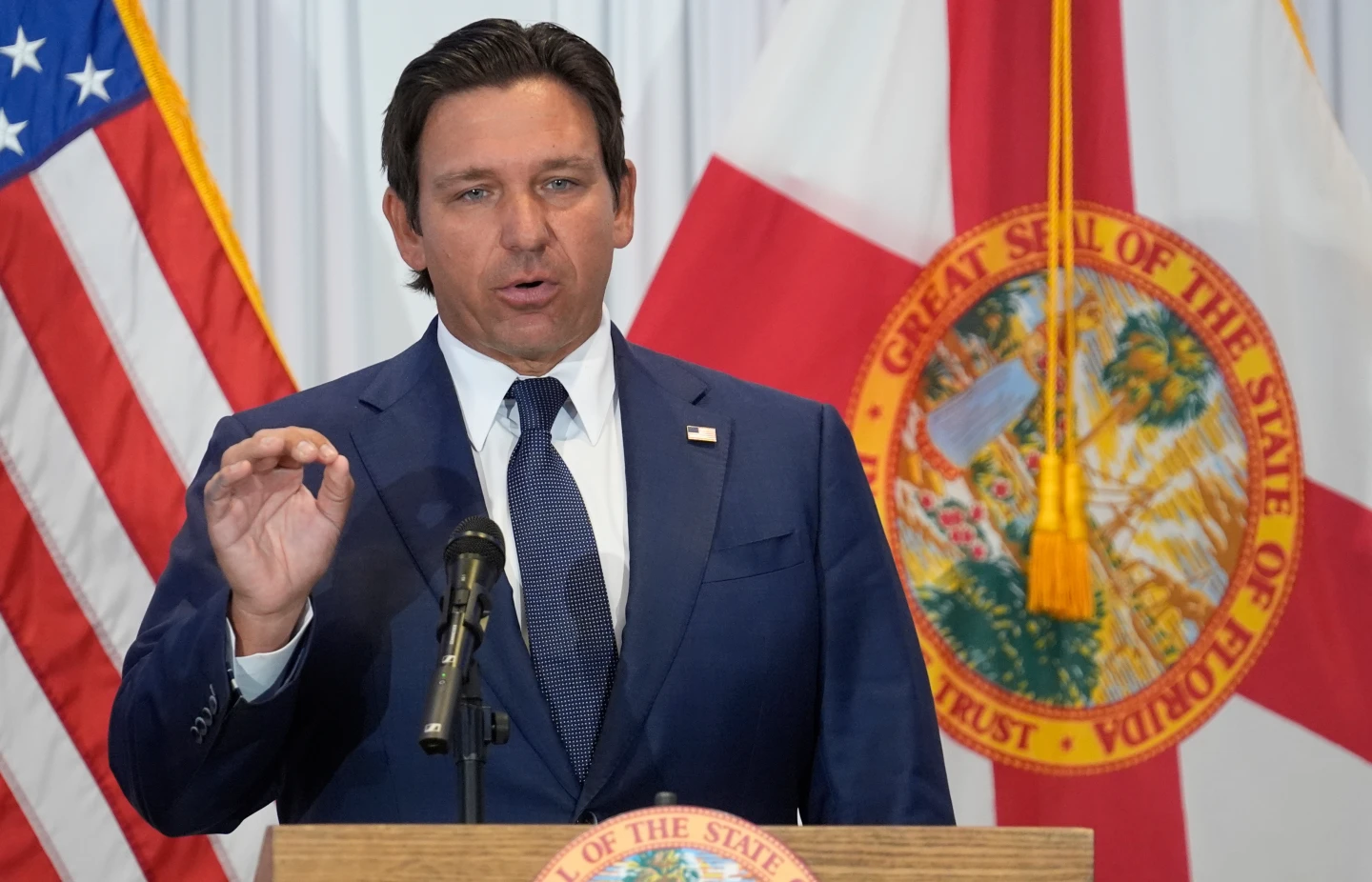
Recent proposals include a complex plan unveiled in the Georgia House aimed at phasing out homeowner property taxes by 2032. Meanwhile, in Florida, Gov. Ron DeSantis has declared a similar objective. In North Dakota, state officials are utilizing oil money to expand tax credits and potentially achieve zero property tax for homeowners.
Republicans are echoing long-held sentiments that property taxes infringe on home ownership, with lawmakers like Georgia's Republican House Speaker claiming that no one should lose their home due to tax burdens.
Voter Sentiment and Historical Context
The ongoing push to eradicate property taxes aligns with a broader property tax revolt narrative within the country, although similar efforts have fallen short in places like North Dakota. Advocates emphasize the need for alternative funding methods to ensure that vital public services remain intact.
Florida's Chief Financial Officer claims local governments should reduce spending to lessen their reliance on property tax revenue, but that assertion is met with skepticism.
Challenges Ahead
While eliminating property taxes might ease financial burdens for homeowners, the transition to alternative funding sources like sales tax raises questions about fairness and sustainability. The success of these efforts hinges on bipartisan support.
Conclusion
Eliminating property taxes for homeowners could redefine the fiscal landscape across several states, with potential implications for education funding and local government budgets. As discussions evolve, the balance of homeowner relief and public service funding remains a critical concern.