A BBC investigation has found that women on the Australian version of Married at First Sight were paired with men who had previously been convicted of drug offences and violence, and were not given this information before or during filming.
Sierah Swepstone, a contestant from the 2023 series, said she was unaware that her husband, Billy Belcher, had been arrested for a drug offence in 2014. She discovered the conviction only after the show ended, arguing that the show violated the principle of informed consent.
"You shouldn't be left alone with a stranger with a criminal record," Swepstone told us. "At the very least, there should be informed consent. We should have the choice."
Another unnamed contestant—referred to as Anna—reported that her on‑screen partner had admitted to violent behaviour during filming. She asserted that producers were aware but did not share the information, leaving her feeling “terrified” and traumatised.
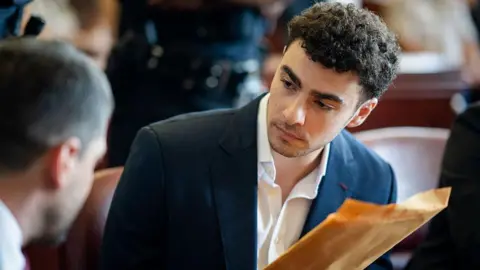
Anna also pointed out that a groom with a 2017 affray conviction, Adrian Araouzou, was not warned to his bride by the production, and that other participants, including Katie Johnstone and Tahnee Cook, felt the pre‑screening checks were rushed and insufficient.
Channel 9 and Endemol Shine Australia claim they enforce "extensive background checks", including police checks, psychological assessments, medical screening and statutory declarations. In a joint statement they described the show’s safety procedures as "extremely serious" and emphasised a multi‑stage checking process.
The revelations come a year after a separate UK series of Married at First Sight faced allegations of rape by former contestants. That scandal prompted Channel 4 to pull all UK episodes from its streaming platform and has intensified scrutiny of the safety practices of the franchise.
These allegations raise a broader ethical question about reality‑TV productions: should participants be fully informed about the criminal histories of their prospective partners, especially when they are placed in intimate living situations? The calls from former cast members and non‑profit organisations for stricter safeguards and greater transparency reflect a growing demand for participant protection in the genre.