In brief
A Falcon 9 rocket’s upper stage, abandoned after a launch to deliver lunar landers, collided with the Moon near the Einstein crater at ~ 5,400 mph. The impact produced a new crater and a faint flash that escaped most telescopes. Space‑based cameras, including NASA’s Lunar Reconnaissance Orbiter, are already scheduled to capture detailed images before and after the event, turning the accidental strike into a controlled experiment. Scientists will analyze impact ejecta, seismic tremors and the Moon’s subsurface composition, gaining insights that will inform future lunar missions and debris‑clean‑up efforts. It also continues a long history of human‑made objects hitting the Moon, but the clear trajectory and known mass of this piece make it exceptionally valuable for planetary science.
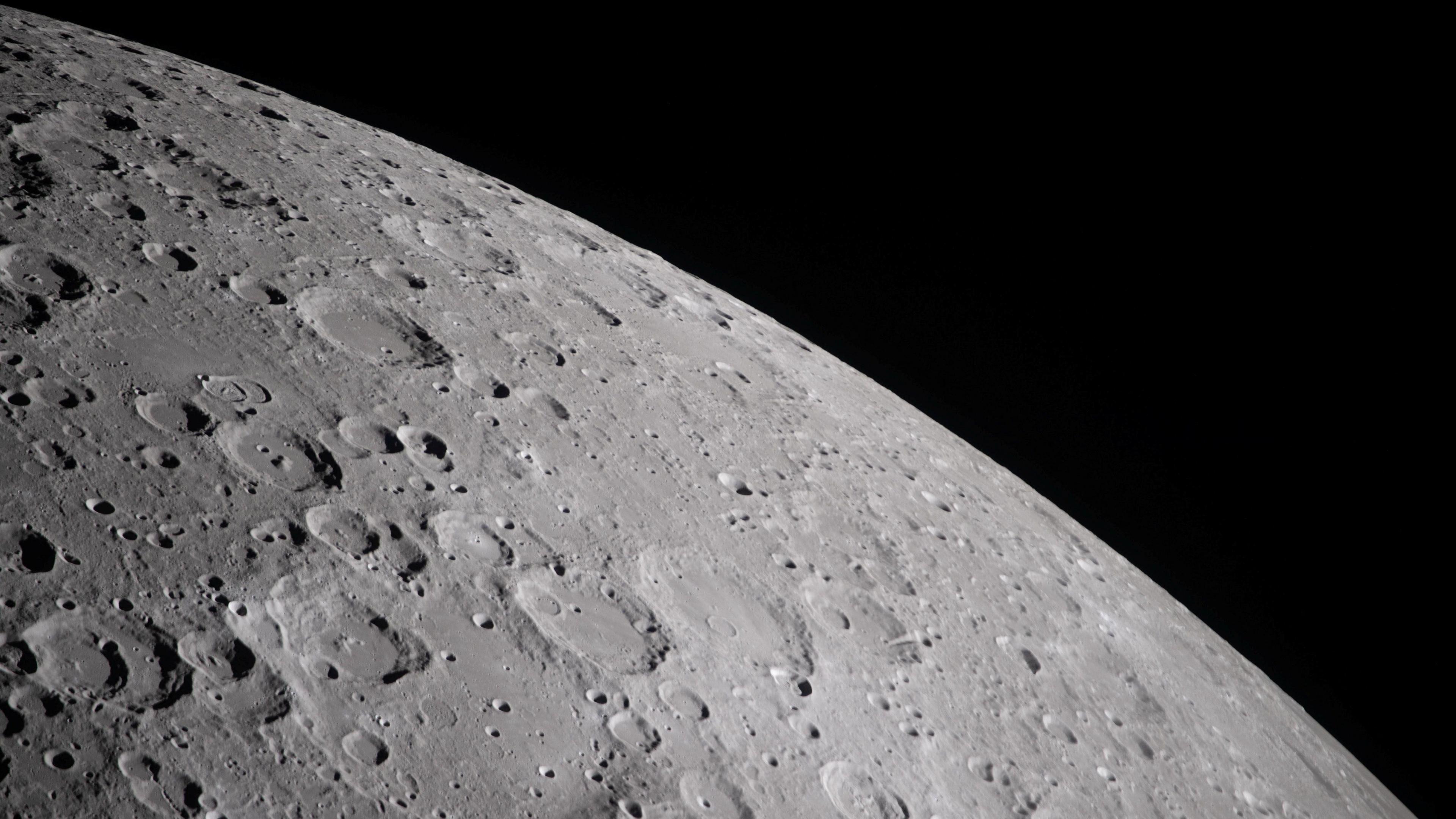
A Falcon 9 launch by SpaceX carried two lunar landers into orbit on a January 2025 trajectory. The upper stage – a 70‑metre, ~4,000‑kg section that sheds its fate after delivering payloads – split from the rocket’s main body and entered a looping orbit that gradually swung toward the Moon. Through subtle gravitational nudges from Earth, Moon and Sun, the stage accelerated and eventually collided with the lunar surface near the Einstein crater at a speed of about 5,400 mph (8,700 km/h). The impact created a fresh, shallow crater on a day‑lit part of the Moon that was invisible to amateur telescopes and too brief for most space‑based cameras to capture live.
Despite the fleeting flash, scientists have already mapped the stage’s trajectory and calculated the precise impact point. Lunar Reconnaissance Orbiter will photograph the site in the coming days, allowing a before‑and‑after comparison that will reveal how the impact altered the terrain and sputtered regolith dust into space. South Korea’s Danuri orbiter, which passed the crash zone earlier, may release footage once analysis concludes. The event stands out because the impacting object’s size, speed and point of entry are precisely known, turning an accidental strike into a design‑controlled laboratory experiment.
A primary science objective is to measure how much material is excavated by an impact of this scale, how ejecta spreads across the surface, and what seismic signatures the impact generates. Understanding these processes will aid engineers in planning safe landings and establishing lunar bases by predicting debris fields, cometary impacts and ground‑shake levels near future sites.
The Moon has long been a target for human‑made impacts. Since 1959, Chinese and American probes, Apollo rocket stages and deliberate missions such as LCROSS have crashed into it, and the most recent accidental impact in 2022 involved a leftover booster from a Chinese mission launched in 2014. This latest collision adds fresh data to decades of lunar research, offering a rare chance to observe an impact with known parameters in real time.
Scientists will comb through high‑resolution images and seismic data over the next weeks, refining models of how the Moon’s surface evolves under impact and how to protect future explorers from similar debris. The event, meanwhile, underscores the importance of monitoring space debris for safety and scientific benefit.