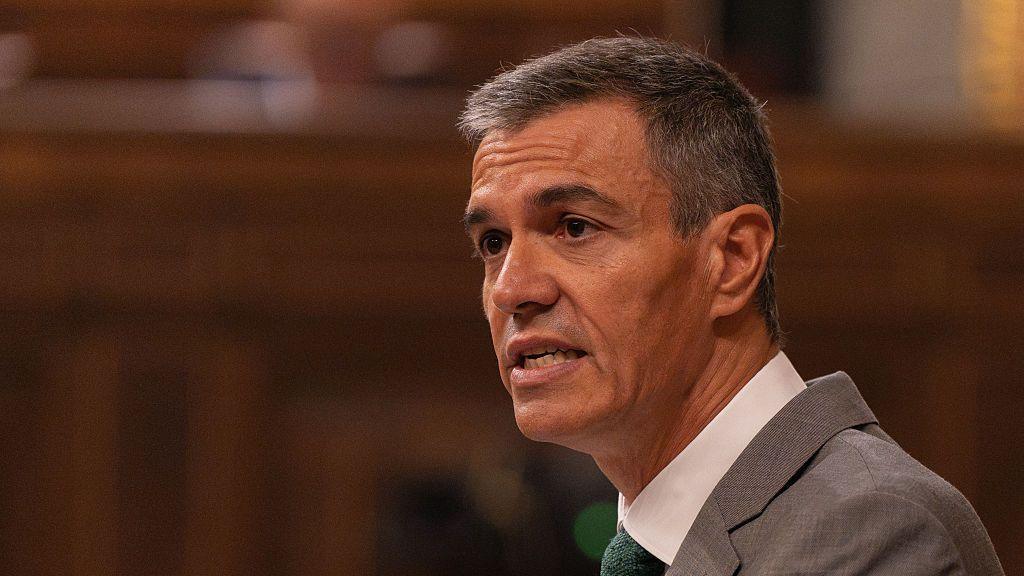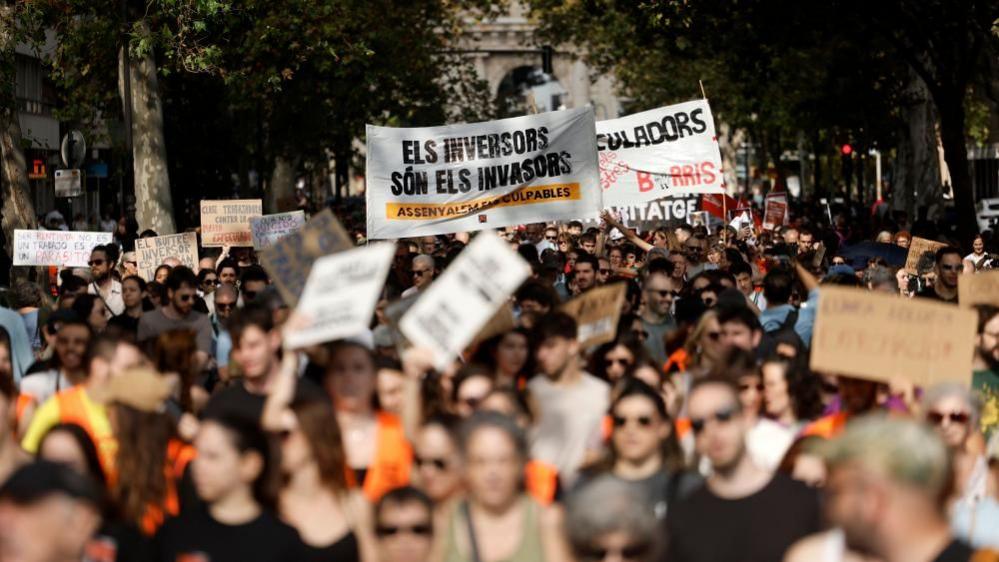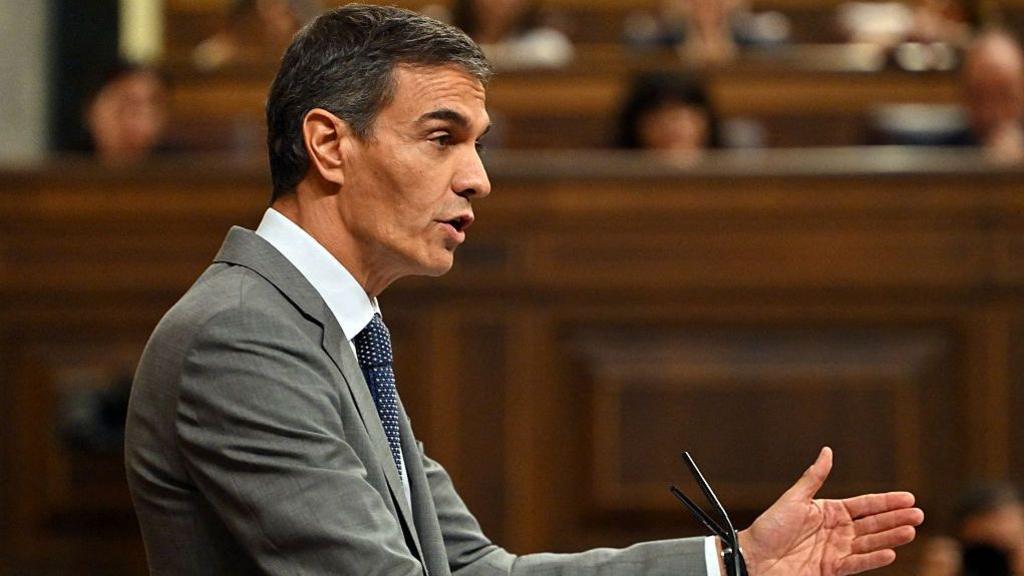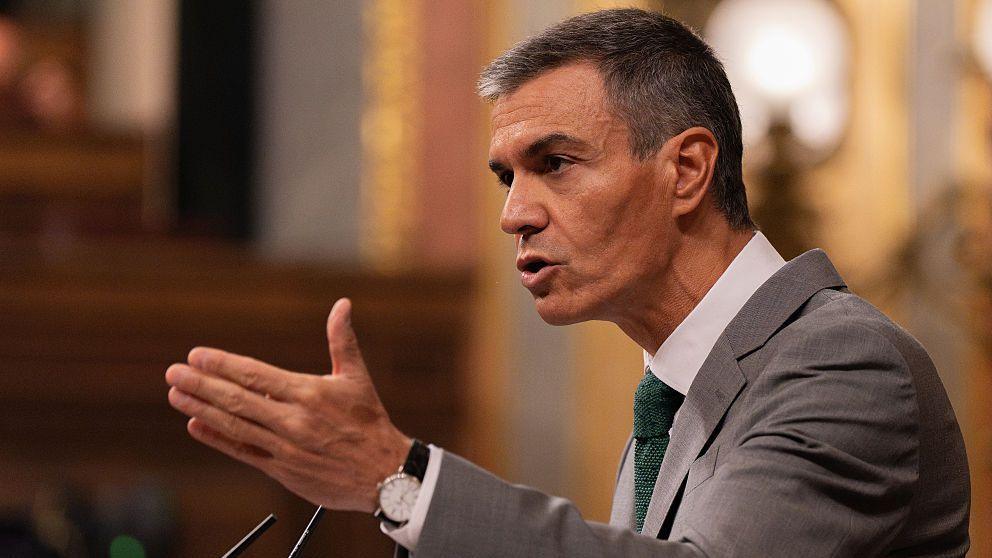
Spain’s Prime Minister Pedro Sánchez has set a new election date; a move tied to the surge in tenant protests and a recent parliamentary defeat over housing reforms.
On Friday, a package of measures designed to curb soaring rents, guard against unjust evictions and check speculative buying of residential property was narrowly rejected by lawmakers. The vote revealed that Sánchez’s left‑wing coalition no longer holds a majority, because opposition parties on the right – chiefly the People’s Party and the far‑right Vox – voted against the proposals.
The collapse of the government’s social agenda follows a series of corruption scandals that have plagued the Spanish Socialist Workers’ Party. Former senior figures such as Santos Cerdán and José Luis Ábalos have been implicated, and ex‑Prime Minister José Luis Rodríguez Zapatero faces accusations tied to an airline bailout. Sánchez’s wife, Begoña Gómez, is also due to stand trial over alleged misuse of funds and influence peddling.
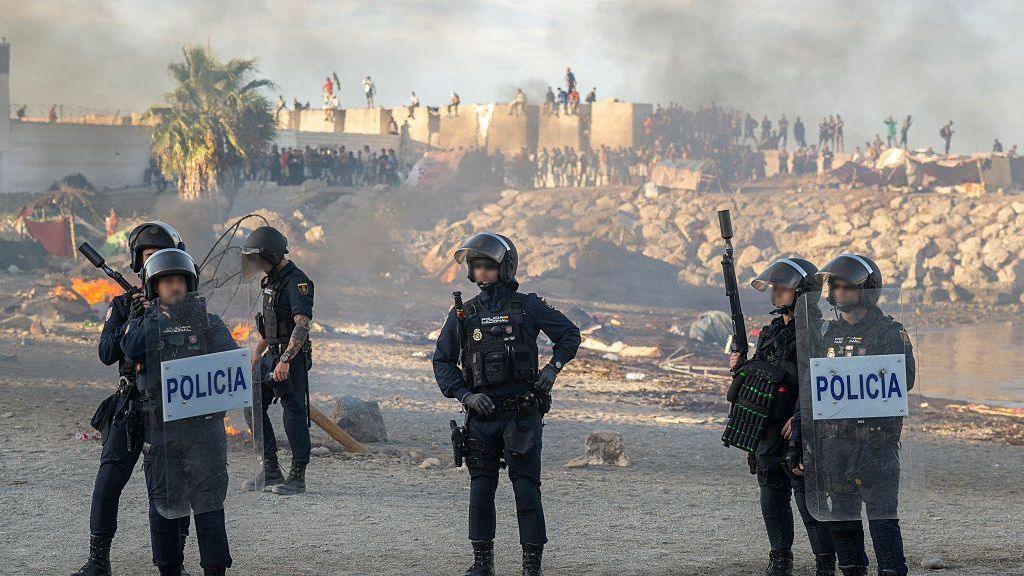
The election timing also allows Sánchez to sidestep the crisis in the Ceuta enclave, where more than 70,000 migrants stormed the border in July and created a logistical nightmare for Spanish authorities. While most have returned to Morocco, the incident has drawn political fire from opposition parties.
- Housing reform bills aimed to protect tenants and curb speculative property buying.
- Right‑wing parties rejected the reforms, ending the Socialists’ majority.
- Corruption investigations threaten the credibility of Sánchez’s administration.
- The Ceuta migrant influx highlights political and logistical challenges.
- Polling shows the Socialists trailing the People’s Party despite strong tenant support.
Sánchez’s campaign narrative frames the referendum as a broader struggle: “A progressive majority will enforce social rights and keep transforming Spain.” The call appeals to his base and escapist left‑leaning voters by aligning the housing crisis with a call for democratic resilience.
The outcome remains uncertain. While the immediate electoral bolstering promised by tenant protests could push the Socialists ahead of the People’s Party, the ongoing corruption allegations and the Ceuta controversy loom large, threatening to curtail the possibility of a stable minority government thereafter.