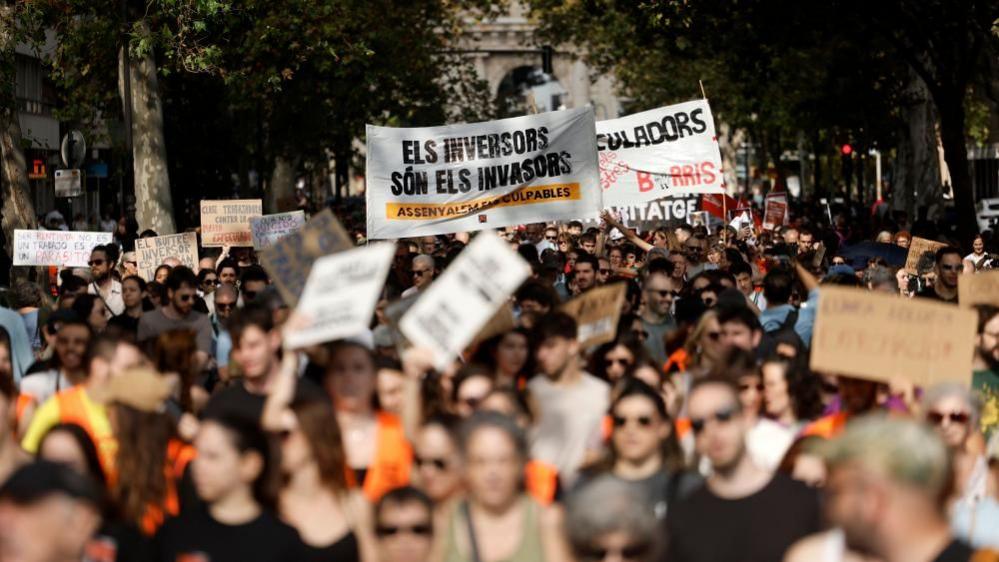
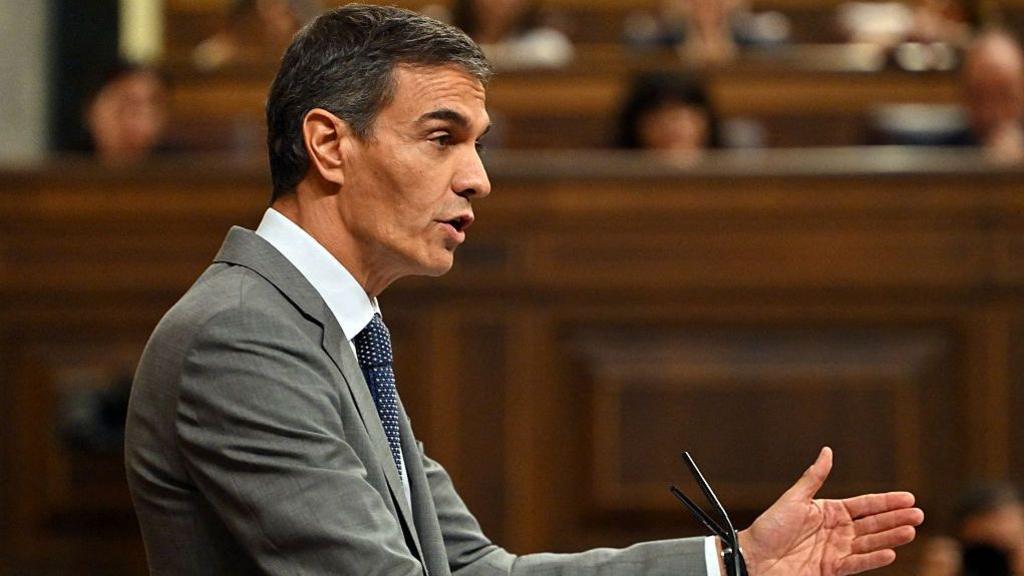
On 29 November, Spain will head to the polls after Prime Minister Pedro Sanchez announced a snap election. The call comes after the governing Coalition was unable to pass a modest housing reforms package in the Spanish Congress, leaving the Socialist Party in a precarious minority position.
The failed reforms, which aimed to tighten rent control and boost affordable housing, exposed the fragility of the coalition’s parliamentary support. With the Socialist Party struggling to enforce its agenda, Sanchez has opted to seek a fresh mandate and secure a clear majority.
Polling data reveal a tight race. The conservative People’s Party (PP) is currently ahead, and many observers fear a coalition could form between the PP and the far‑right Vox party. Such an alliance would dramatically shift Spain’s policy direction and pose an unprecedented challenge for the Socialists.
In a statement, Sanchez warned that Spain must stand against the “extreme‑right wave” affecting other democracies. He pledged that Spain should remain an exemplar of peace, feminism, and prosperity, stressing the need for inclusive governance in the 21st‑century European context.
The lead‑up to the election will test the Socialists’ ability to galvanise voters, while the opposition must decide whether to unite behind the PP or pursue a separate pathway. The outcome could reshuffle Spain’s political landscape and have implications for the continent’s democratic trajectory.