States have major decisions to make in 2026 about the social safety net and taxes following the enactment of a sweeping law signed by President Trump last year.
The federal government is shifting more responsibilities to states over the next few years, affecting both Medicaid healthcare and SNAP food aid programs. States need to prepare for increased costs in these programs and decide whether to offset cuts in federal funding with state tax revenues.
“A large storm is coming for state budgets — it’s clear on the radar — and it will impact almost every state,” said Tim Storey, CEO of the National Conference of State Legislatures. “It’s going to require difficult choices.”
Most states still have robust rainy day funds; however, upcoming responsibilities coincide with tightening budgets post-pandemic.
Growing Costs of Food Aid
The Supplemental Nutrition Assistance Program (SNAP), aiding 42 million Americans with grocery purchases, is projected to become more expensive as states must take on greater financial burdens. Currently, the federal government covers the full cost of benefits, spliting administrative costs with states through shared funding.
Starting October 1, states will be responsible for three-fourths of operational costs, with potential implications for their budgets. The shift may yield annual costs around $50 million in Florida alone, prompting ongoing discussions among lawmakers about funding strategies and state responsibilities.
Pushing for Medicaid Adjustments
Under the new federal law, states will impose work requirements for some Medicaid recipients starting in January 2027, requiring these mandates to be incorporated into the upcoming state budgets. However, states are encouraged to implement these changes earlier if feasible.
Many states will face significant preparatory costs, with Missouri requesting approximately $33 million to upgrade technology for monthly income evaluations. The changes could potentially reduce Medicaid expenditures while constraining coverage options, affecting millions of individuals relying on these support programs.
Tax Policy Decisions Ahead
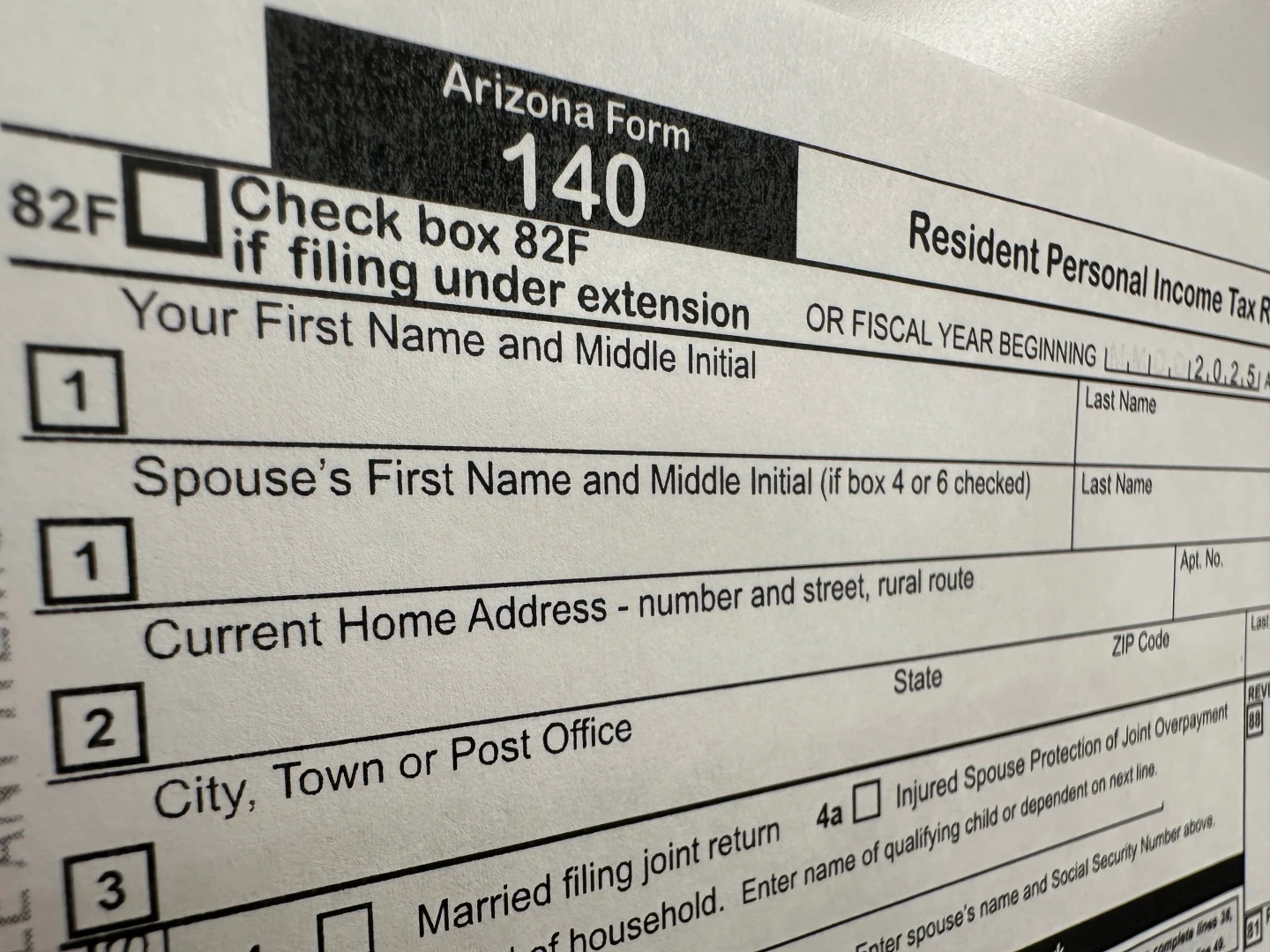
With new tax implications under the federal law, states will evaluate whether to embrace or dismiss these provisions, which include rates on overtime pay and deductions for specific groups. Some states like Michigan have opted in, while others, such as Arizona, are contemplating similar decisions.
As state legislatures convene, there is pressure to accommodate changes while ensuring continued service access for populations dependent on these supports, highlighting the balancing act between fiscal responsibility and social welfare.