In brief
In the north‑western state of Zamfara, a community that had long lived under the threat of bandit attacks now faces a new reality of outright terror and displacement. Fatima, a resident of Bia Buki, shares her harrowing experience of a midnight raid in which her husband and six of his siblings were killed, and many villagers were abducted or forced into hiding. The rising number of bandit incidents, reflected in a 78 % surge in the first half of the year, puts pressure on security forces and leads many residents to join government‑backed vigilante groups. Amid the violence, displaced families now live in makeshift camps in Gusau, struggling for food and safety while the rule of the bandit lords spreads like a disease through villages.
In the north‑western state of Zamfara, a community that had long lived under the threat of bandit attacks now faces a new reality of outright terror and displacement. The March raid on the village of Bia Buki, which Fatima, a 55‑year‑old mother of seven, survived, epitomises the violence erupting across the region.
"If you ran into a room, they set the room on fire," Fatima recounted, describing an attack that began at 02:00. Attackers split into groups, surrounded the village and opened fire indiscriminately. She was forced to flee into the forest with her children, an act that became her only refuge against the bandits.
The assault left about 70 people dead, including Fatima’s husband and six of his siblings. The attackers have since set up a makeshift camp in Gusau, where Fatima and her children now live amid overcrowding, food shortages, and a sense of unscheduled civility.
The larger context is a staggering escalation of bandit activity – the Conflict and Security Outlook Group (ACLED) noted a 78 % rise in incidents in the first half of the year. The African-based groups, many composed of Fulani riders who traditionally raise livestock, have shifted towards kidnapping and extortion as a faster way to profit. Their attacks are swift, they flee on motorcycles before army or police can respond, and villages are left in tatters.
Many residents, including Fatima, have turned to government‑backed vigilante units for protection. While these units have claimed responsibility for dozens of defections against the bandits, fears remain about their legitimacy and long‑term effect on stability. The local bandit leaders now act as de facto authorities, deciding who may harvest land and pay protection money.
Displacement numbers confirm the crisis, with the United Nations estimating that up to 800,000 Nigerians have fled their homes due to violence. In places like Oyo state, the pulling of children from schools after a raid, and the lingering fear of kidnapping have turned once‑thriving communities into ghost towns.
Despite the increasing involvement of the military and police, security remains strained. President Bola Tinubu’s administration has increased defence spending and recruited new soldiers, yet the sheer scale of the violence points to a more systemic failure of governance and protection.
Fatima’s pleas are simple: more security forces, better protection on villages, and an end to the rule of the bandit warlords. Her story illustrates the urgency of addressing Nigeria’s multi‑faceted conflict, from rural kidnappings to the broader implications for state stability.
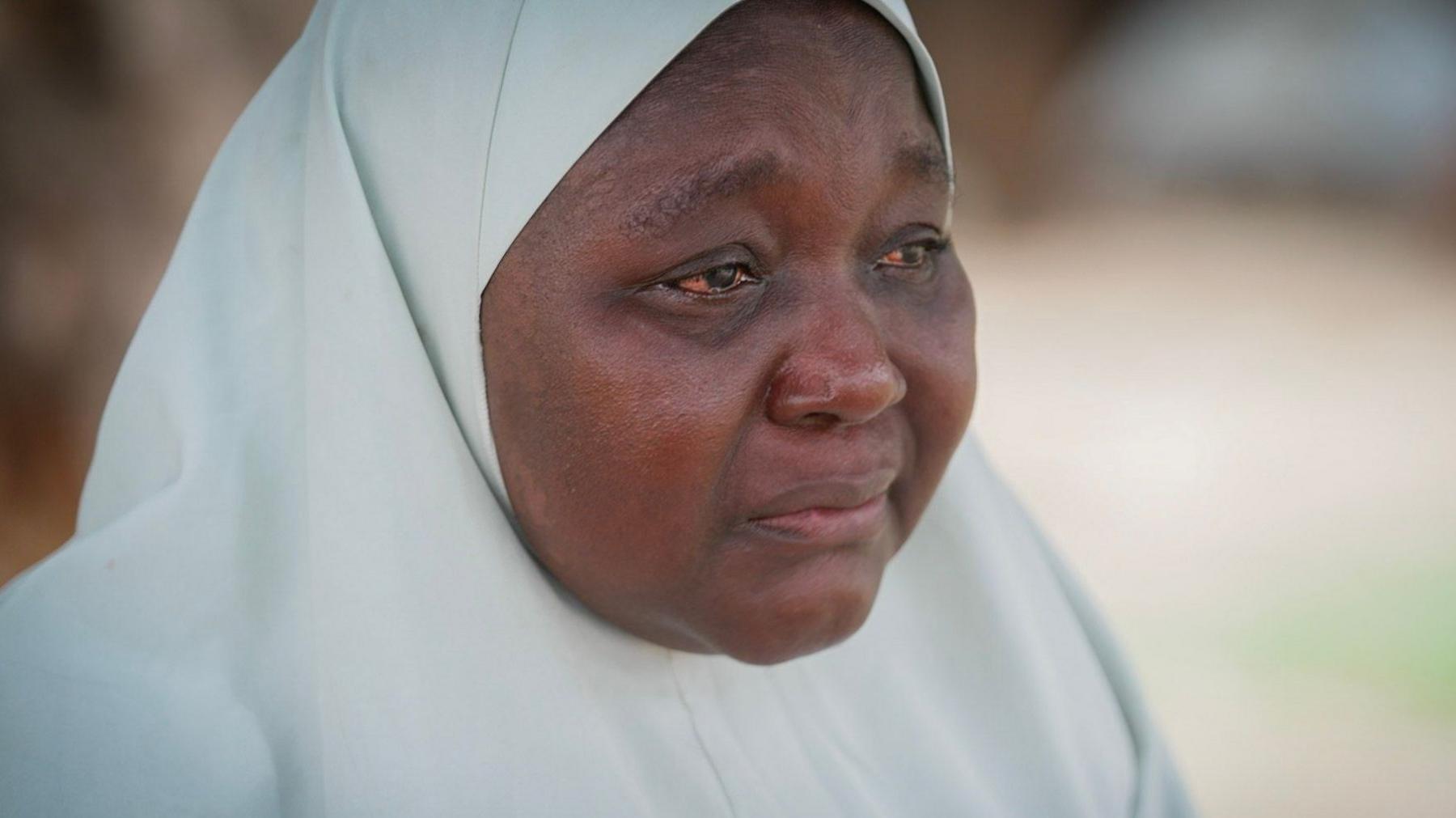
Fatima says her husband and six of his siblings were killed when bandits attacked. (BBC, 27 August 2026)