In brief
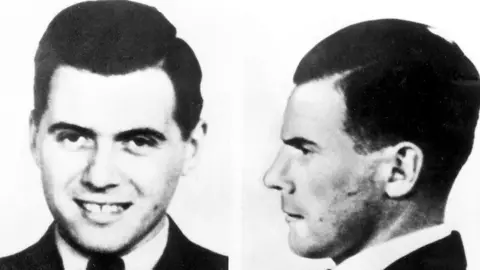
The Swiss Federal Intelligence Service will open long-sealed files on Josef Mengele, the infamous Nazi war criminal known as the 'Angel of Death'. The decision follows years of requests from historians regarding Mengele's suspected presence in Switzerland after World War II. While concrete links to his activities remain uncertain, the move underscores ongoing historical inquiries into Switzerland's role in providing refuge and support to escaping Nazis. The exact content and release schedule of the files, however, remain ambiguous, and there are concerns about potential redactions that might limit transparency.
The Swiss Federal Intelligence Service has announced its intention to open long-sealed files on the notorious Nazi war criminal, Josef Mengele, known infamously as the 'Angel of Death'. However, the agency has not provided a specific timeline for the release of these documents.
Previously, Mengele fled Europe after World War Two, yet rumors have persistently suggested that he might have spent time in Switzerland despite an international warrant for his arrest.
Historians have long sought access to these files, but Swiss authorities had previously denied such requests for years.
As a doctor in Germany's Waffen SS, Mengele was stationed at the Auschwitz concentration camp during the Holocaust, where he was responsible for the selection of prisoners sent to gas chambers – with estimates suggesting up to 1.1 million victims, including around one million Jews.
Known particularly for his cruel experiments on twins and children, Mengele's actions during the war earned him this chilling moniker.
After the war, he managed to evade capture by changing both his identity and appearance. Using false documents, he acquired Red Cross travel papers from the Swiss consulate in Genoa which facilitated his escape to South America.
Although Mengele officially lived the remainder of his life in South America, it is known that he vacationed in the Swiss Alps in 1956 with his son, a detail that came to light in the 1980s.
Swiss historian Regula Bochsler has scrutinized potential connections between Mengele and Switzerland, particularly after he learned of intelligence warnings in the early 1960s indicating that Mengele was traveling under a pseudonym and might have set foot on Swiss soil.
Despite historical inquiries, Swiss authorities had previously denied Bochsler and others access to file documents, citing national security and privacy concerns. However, their recent statement regarding the files suggests a shift towards transparency, albeit accompanied by vague conditions.
Some historians express skepticism regarding the files' potential revelations about Mengele himself, while others believe that they may contain information reflecting Switzerland's historical interactions with Nazi officials and measures taken by foreign intelligence services during that period.
As the debate unfolds, the extent of Switzerland's historical complicity and its implications during the Nazi era continues to receive critical examination. The release of these files, alongside the legacy of degrees of refugee support for fleeing Nazis, remains a potent topic of discussion.