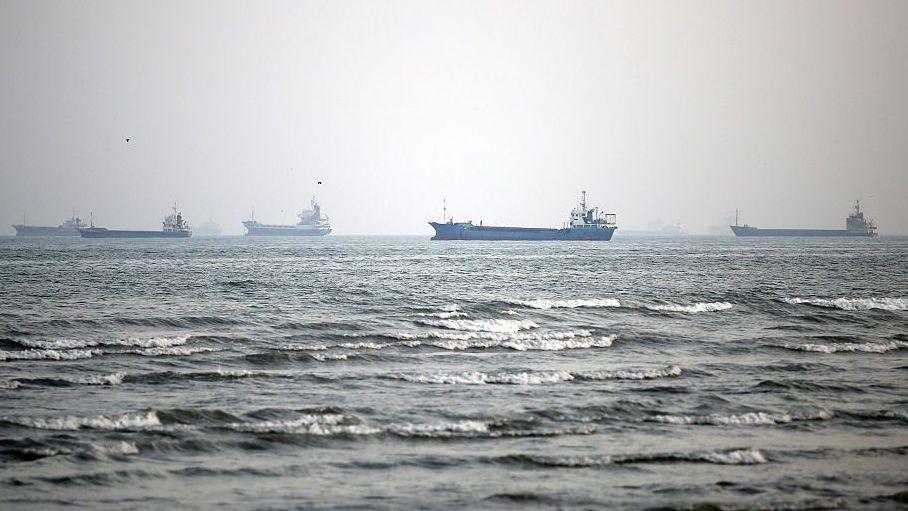
A tanker was struck by multiple projectiles 51 nautical miles (94 km) north of Qatar, according to the United Kingdom Maritime Trade Operations agency. The incident is the first deep‑water attack in the Gulf since the opening of the Iran war earlier this year.
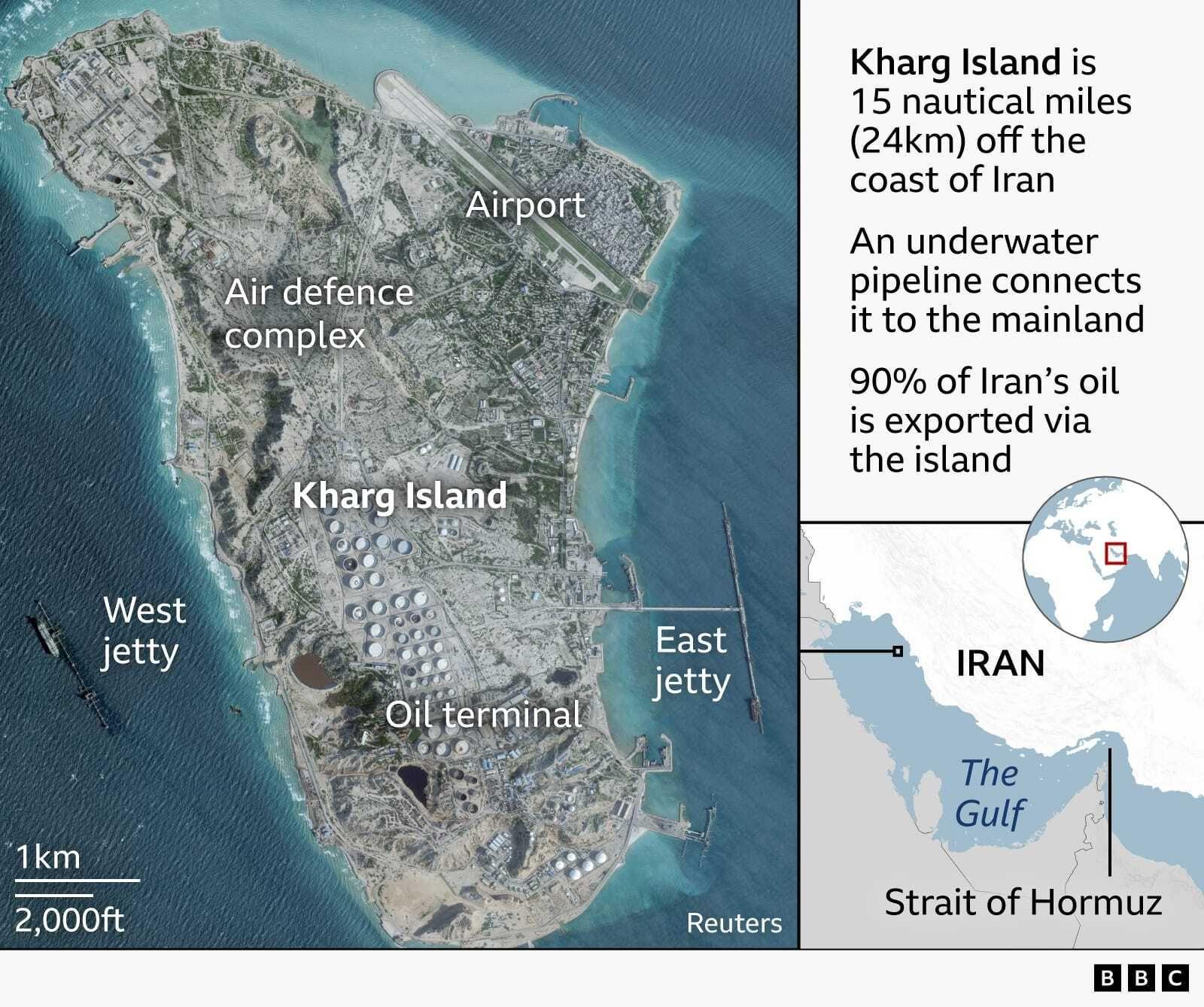
Maritime intelligence firm Vanguard identified the vessel as the Antigua and Barbuda‑flagged oil and chemical tanker Acers. Vessel logs show it had been sailing toward the Strait of Hormuz, the key chokepoint that channels a fifth of global oil and gas exports.
Casualties have been reported on the crew, though the exact number of injured remains unconfirmed. The United Nations’ International Maritime Organization noted that 24 seafarers have been killed in 93 confirmed incidents since hostilities began, the most recent of which was a September 9 attack that killed two people on the Panama‑flagged tanker El Gaia.
The strike adds to a growing list of enemy‑hostile incidents that have shuttered shipping lanes in the region. The U.S. and Iran had reached a preliminary agreement to reopen the Strait in June, but that deal collapsed when Iranian forces resumed missile and drone attacks on commercial vessels while the U.S. reinstated a blockade of Iranian ports.
In response, U.S. naval forces have continued to escort tankers through the Strait, and shipping data company Kpler reports that crude exports through the waterway average around 12 million barrels per day—roughly 80 percent of pre‑war levels.

With tensions escalating and further incidents reported elsewhere in the Gulf, maritime security experts warn that shipping lanes may see additional risks as the conflict extends beyond its traditional hotspots.