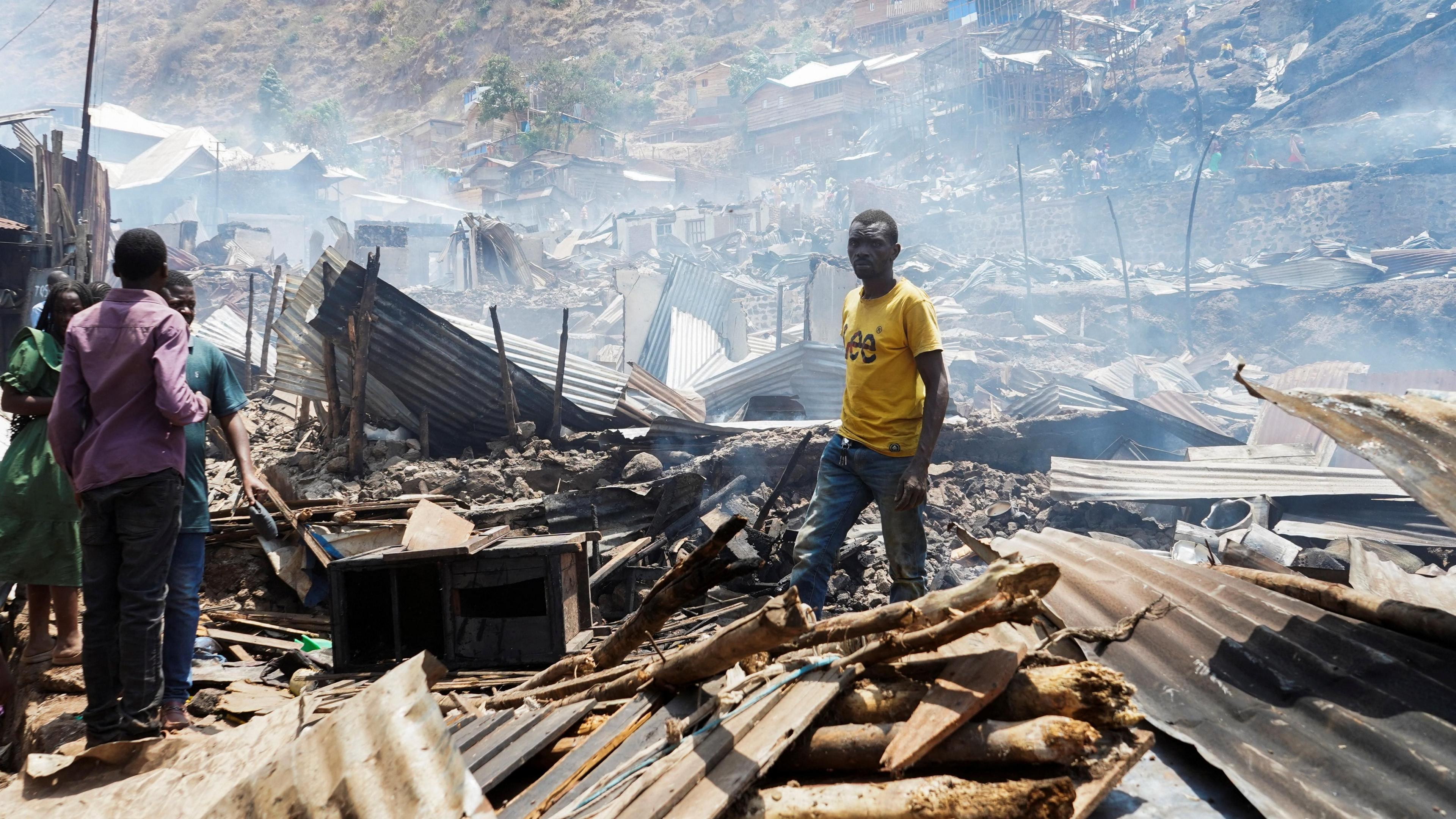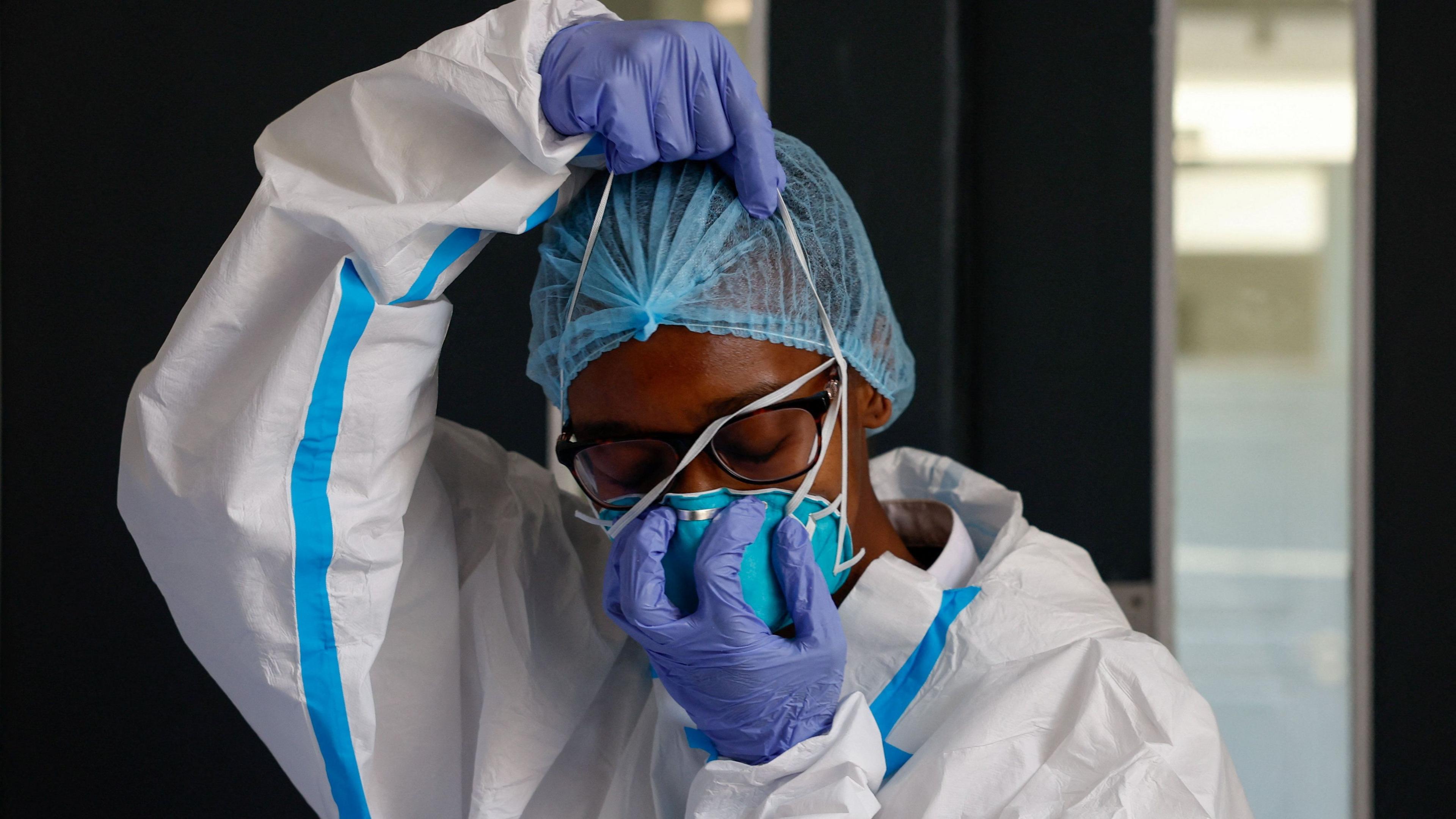
Kenya announced that ten people who had contact with the man who died of Ebola on Monday have been quarantined. The country is also tracing 57 additional contacts after the patient, who had travelled from the Democratic Republic of Congo, died in a Nairobi hospital.
This marks the first Ebola case in Kenya, raising fears about the effectiveness of the nation’s screening measures. Africa Centres for Disease Control (Africa‑CDC) officials said the patient was in the country for almost a month, visiting several cities in the DRC, Uganda and then Nairobi, yet was not detected as sick.
Health officials suspect the patient’s symptoms were hidden by medication. He arrived at the capital airport, was transferred by a relative to a local hospital and was buried in compliance with health safety guidelines.
Kenya’s health ministry has urged the public not to panic and reiterated that it has intensified surveillance at airports and border crossings. President William Ruto announced that rapid response teams and surveillance measures are in place and that the country has screened more than 650,000 travellers and conducted 267 tests.
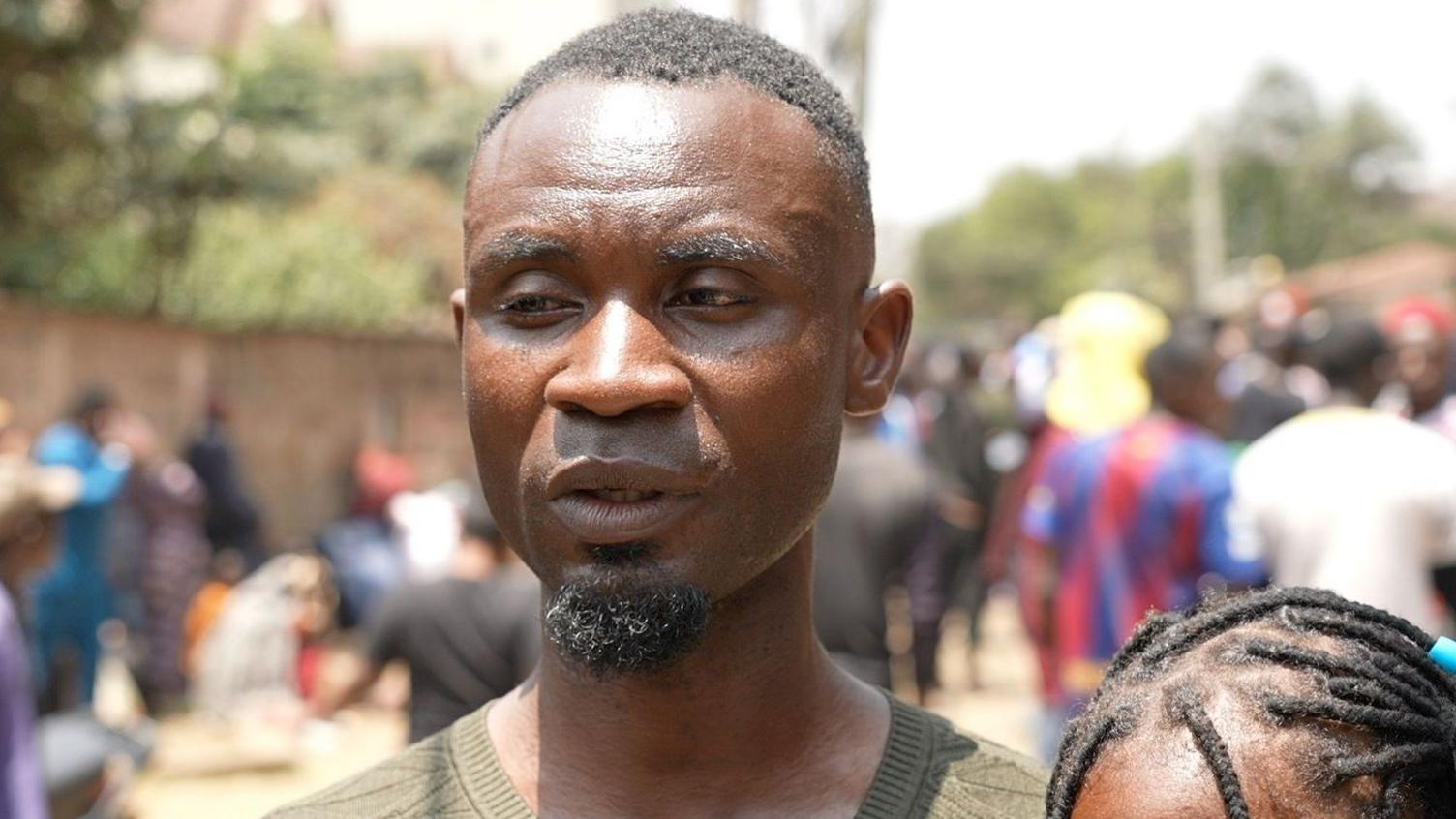
Kenyan doctors’ union representative Dr. Dennis Miskellah criticised the ‘lapses’ at several border points, including the main gate at Jomo Kenyatta International Airport. He questioned how a sick man could pass through without detection.
The African CDC is working with regional partners to strengthen response mechanisms. The chief of Africa‑CDC emphasized that the bank of diagnostics is limited to temperature checks, as medication can suppress fever.
Kenya had previously planned to house an Ebola treatment facility at a military base in Nanyuki. The proposal was halted by the courts after public backlash. Health Minister Aden Duale said that, pending court decisions, the government may transform the base into the nation’s first infectious disease hospital.
More than four thousand people have died from Ebola in the DRC this year alone, marking the second deadliest outbreak of the virus.
QR code to BBC Africa’s mobile app can be added for readers seeking more regional coverage.