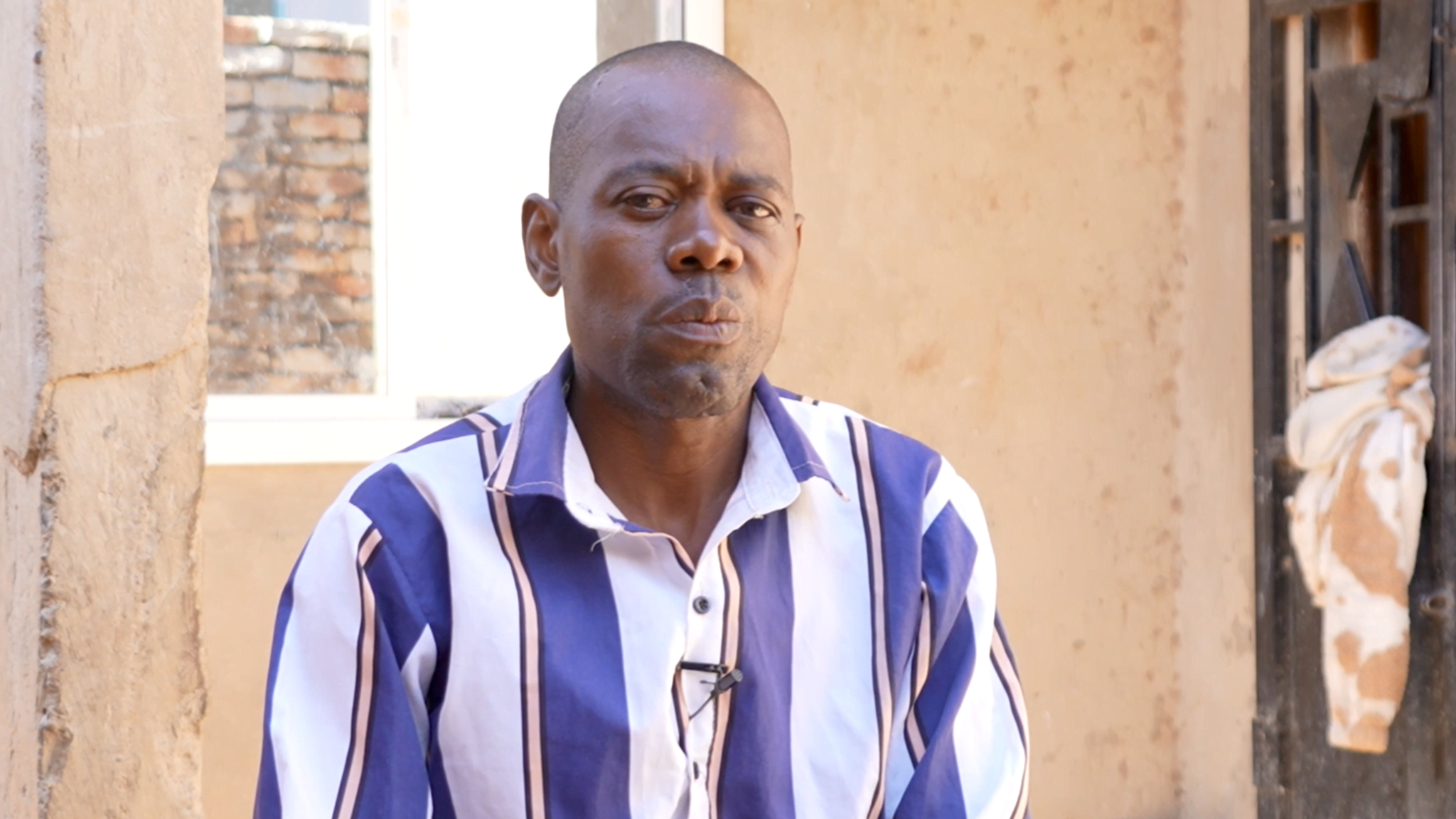
In Nairobi, the sudden crash of a foreign trader’s livelihood has shocked a once-friendly marketplace. Ndaikech Ali, a Burundian tuk‑tuk driver who has lived in Kenya for nine years, was left shaken when President William Ruto declared that all small‑scale foreign traders must shut down by 7 September to “preserve jobs for Kenyans.”
Ali said the gesture felt like a “dog being set loose,” describing how children in the city have threatened him, and how he can no longer supply his family with rent or food. “Now they have turned against us,” he told the BBC.
The decree prompted abrupt travel and panic: many Burundians and other foreign nationals queued at Nairobi’s embassies for laissez‑passe documents to return home, while families feared breakup. A Burundian man named Prosper, who lives with a Kenyan wife and a child, said he could not bear to leave his loved ones behind. “When I hear the announcement, I am forced to leave my family…” he explained.
Kenyan officials faced criticism for the backlash. The Burundian foreign affairs minister warned that “hate speech against Burundi could bring repercussions for Kenyans abroad.” A brief apology came from the Kenyan foreign affairs office when Deputy Minister Korir Sing’Oei met with stranded nationals at the embassy.
President Ruto’s remarks hit a corporate target as well: The next day, he ordered India’s Tata Chemicals to vacate Lake Magadi after accusing the firm of not contributing to the local Maasai community. The company has mined soda ash there since 1911, where the brine attracts pink flamingos.
Academic Hesbon Owilla argued the policy’s heat could have mis‑interpreted wording. He received critics who described Ruto’s statement as “just saying: ‘We are kicking these guys out.’” Ruto has denied inciting xenophobia, framing the move as protection of local employment, but his spokesman has promised that Kenya remains a “secure and welcoming country.”
In response, the government is granting a 90‑day window for undocumented foreign traders to register and prove legal residency; registered individuals will be deemed compliant. Critics, however, caution that locking out foreign nationals restricts competition, hurting Kenya’s economy. Economist Odhiambo Ramogi noted Kenya exported $56 m ($41 m) to Burundi last year and urged that a closed‑door policy undermines growth.
Nairobi residents with mixed families—such as Lima Kabura, whose husband is Tanzanian—felt the ban too hasty. She said the decree left her without work or a husband, blurring the line between opportunity and persecution.