Zainab Haider was making the drive home after work with her two young children as she contemplated what might come from President Trump's deadline for Iran. Her emotions ran the gamut from anxiety about her relatives' safety to loneliness, realizing others seemed unaffected by the looming threat of conflict.
Initially, there was a sigh of relief when Trump opted for a ceasefire instead of immediate military action. However, the whiplash of the situation left Haider and countless Iranian-Americans in a constant state of uncertainty.
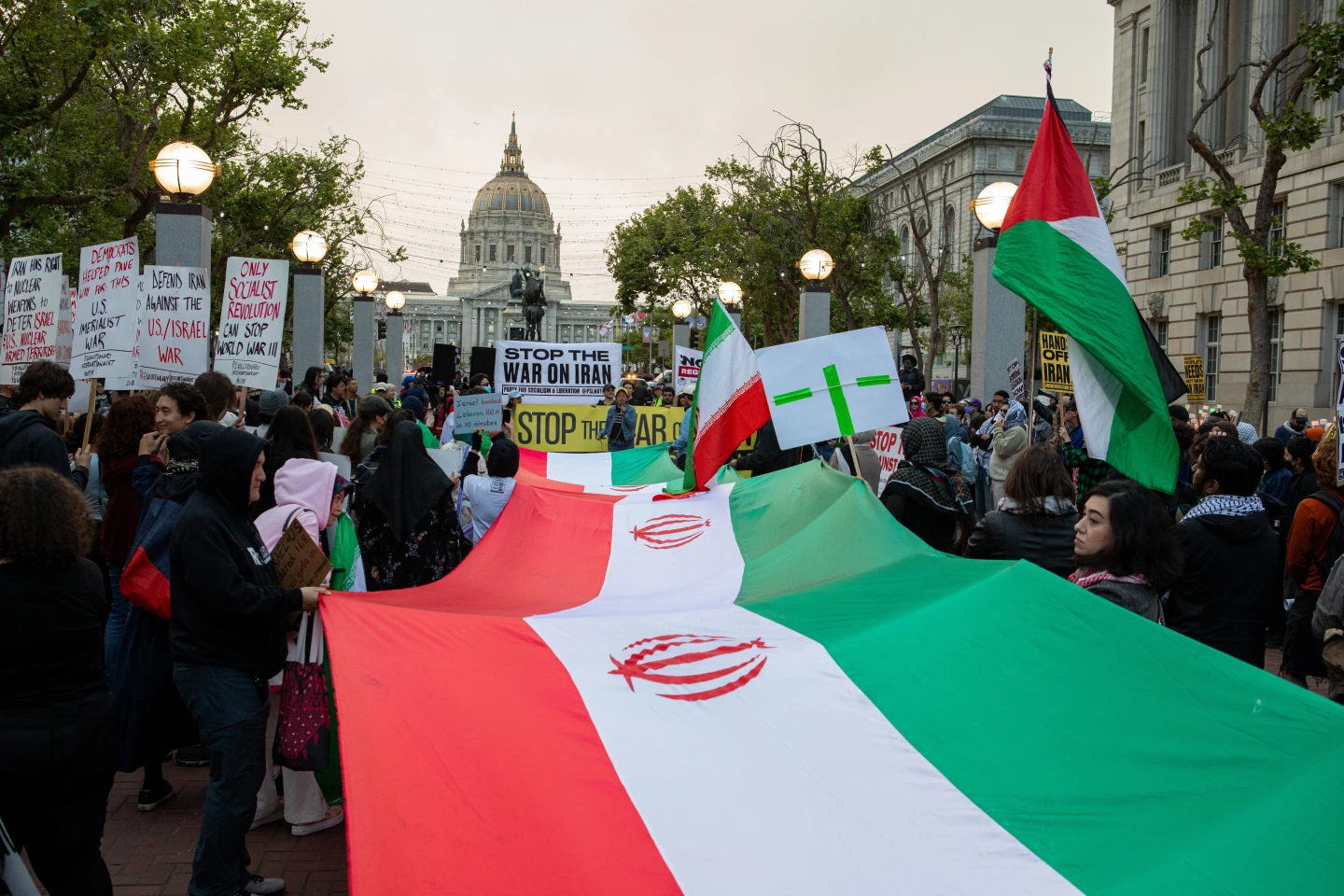
Amid this backdrop, Haider protested in Austin, Texas, along with others seeking to voice their dissent against the war. It’s a huge country, she said about Iran, recognizing the potential for disastrous consequences that could affect millions.
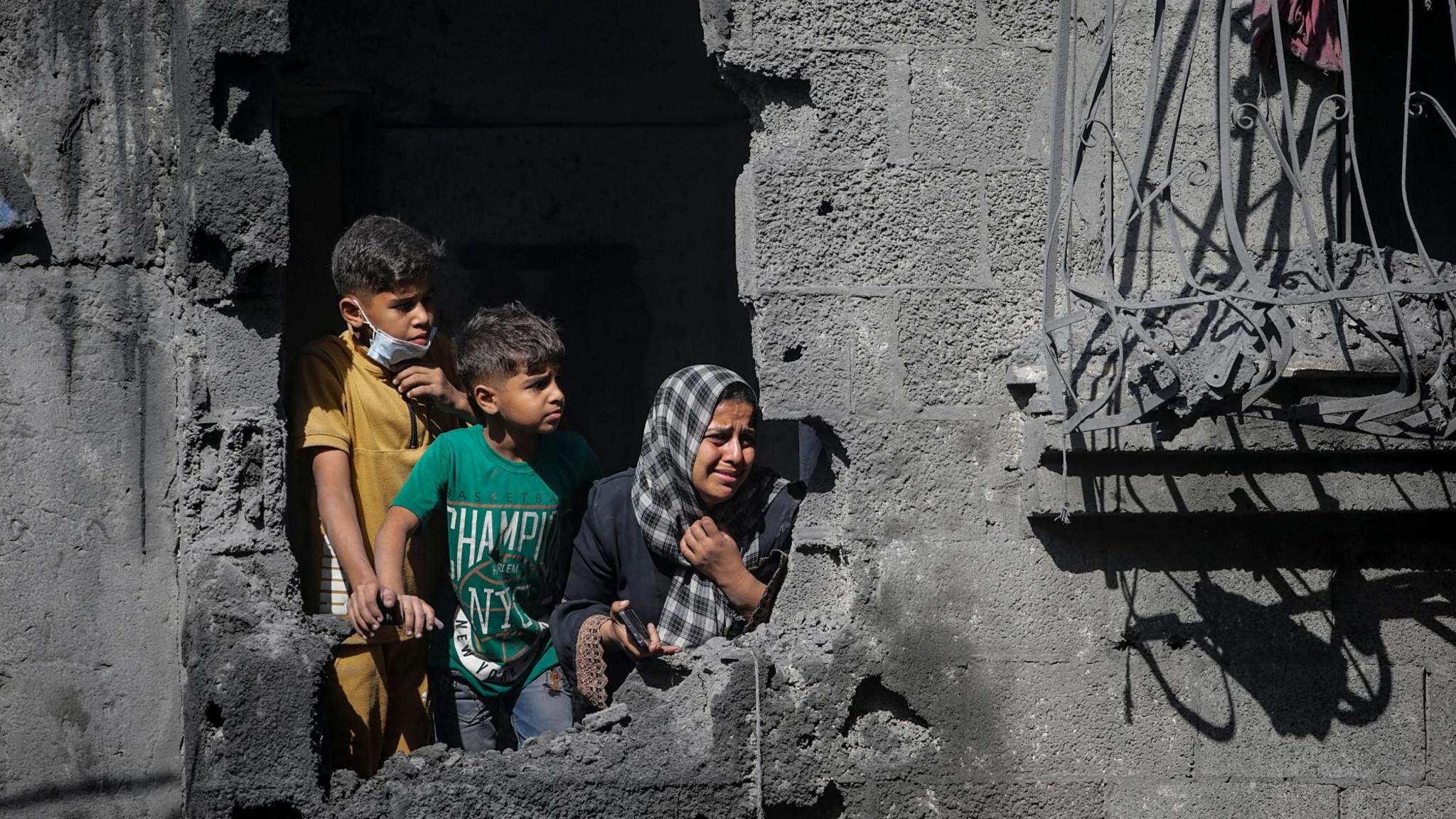
Many Iranian-Americans, like Sheila Amir, worry for their families in Iran amidst internet blackouts and escalating tensions. Others, such as Roya Rastegar, face the complexity of having relatives in Iran while supporting potential actions aimed at weakening the Iranian government.
Both supporters and opponents of the conflict share the same fear: that military actions will lead to civilian casualties while also considering the repressive regime's ongoing threat at home. As the situation remains fluid, these citizens remain trapped between their divided loyalties and the harsh realities unfolding both in Iran and the U.S.