In brief
Elizabeth Tsurkov, a Princeton doctoral student, describes her brutal captivity in Iraq at the hands of militants, where she endured two and a half years of abuse, torture, and psychological torment. After being kidnapped and held for 903 days, her story reveals not only the personal toll of such experiences but also the broader implications of political instability in the region and the continued power of militias like Kataib Hezbollah.
An Israeli-Russian woman held captive for two and a half years by militants in Iraq has told the BBC how she invented 'confessions' to try to get her captors to stop torturing her. Elizabeth Tsurkov, who was freed in September, says she suffered extreme abuse for 100 days, leaving her physically and mentally scarred.
Warning: This article contains distressing content including descriptions of torture.
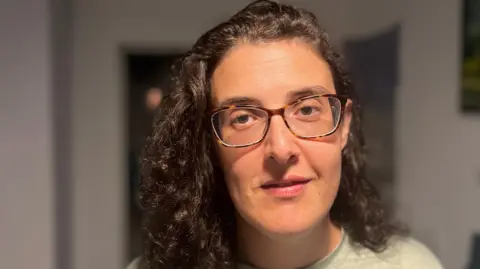
'My health is not great,' Ms Tsurkov says. The interview she gave to BBC Newshour was conducted in central Israel, propped up on a bed. It is now almost three months after her release from captivity in Iraq, where she was held for 903 days. The first four and a half months had been particularly brutal: she was, she says, trussed and hung from the ceiling, whipped, sexually abused, electrocuted.
In March 2023, Ms Tsurkov, a 39-year-old doctoral student at Princeton University in the US, was living in Baghdad, conducting fieldwork for her PhD in comparative politics when she was kidnapped. She agrees to meet a 'friend of a friend' who never showed up. Instead, she was pulled into a car by two men who assaulted her and took her to the outskirts of the capital.
In her initial captivity, she was interrogated but unaware of the full extent of the risk due to her Israeli citizenship. Once discovered, the torture intensified with methods such as electrocution and beatings. She endured extreme psychological distress, creating false confessions based on the bizarre conspiracy theories propagated by her captors.
Believing that she could manipulate her situation, she hoped to survive their cruelty by crafting implausible stories; however, her captors only became more aggressive in their demands for new confessions.
After enduring 100 days of extreme torture, Tsurkov was eventually moved to another location where the physical abuse ceased, though she remained isolated. Her release came in September 2025, reportedly after intervention from U.S. officials expressing discontent with her detention.
Following her release, Iraq’s Prime Minister announced it as part of extensive efforts by security forces, although Tsurkov believes political motivations played a significant role in her freedom.
Now recovering in Israel, Tsurkov remains committed to her academic pursuits at Princeton while grappling with her traumatic experiences. She criticizes the broader political landscape in Iraq, emphasizing the impact of militia power on ordinary citizens.
Despite her harrowing ordeal, Tsurkov expresses a mix of relief and disillusionment regarding the prospects for peace, reflecting on her long-standing advocacy for Palestinian rights and voicing concern about the ongoing challenges in the region.