In brief
Delhi Police announced it will no longer recognise the 18th‑century Jantar Mantar as a protest site, a decision that follows the May 2026 ‘Cockroach Janta Party’ uprising that toppled federal minister Dharmendra Pradhan. While the collective’s mass demonstrations, which drew tens of thousands, highlighted the power of proximity to Parliament, police barriers and a crackdown on a later rally have stoked fears of a shrinking democratic space. Protesters are now directed to three new venues – two farther from power and one that charges thousands of rupees per day – raising questions about affordability and accessibility. The move comes after Supreme Court guidance to the government, but activists argue it will push dissent into quieter, cost‑heavy arenas and undermine the grassroots tradition of public assembly in Delhi. As the court reviews the denotification, leaders such as Rahul Gandhi and CJP members vow to reclaim the site for the people, keeping alive the question of whether Jantar Mantar will echo with slogans again.
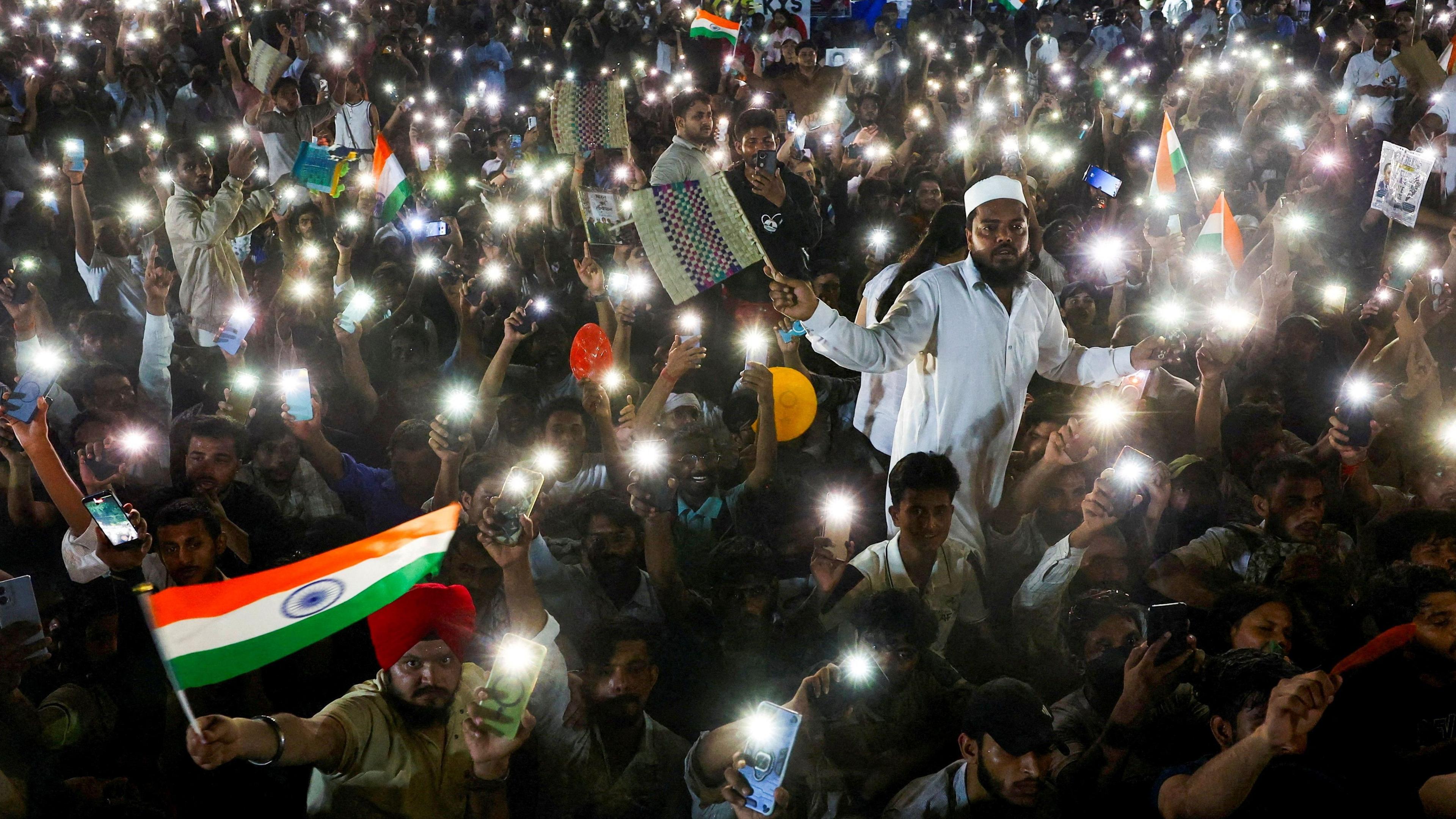
For over thirty years, a row of banyan trees beside the 1720s‑built Jantar Mantar observatory in Delhi’s flag‑penned heart served as a meeting point for dissenters, students, farmers and activists who sought to make their voices heard. Its proximity to Parliament – a mere 3.5 kilometres – gave it a symbolic power to draw the eye of the nation’s leaders. It was this closeness that catalysed the 2026 mass protest led by the youth‑run Cockroach Janta Party (CJP), which forced Education Minister Dharmendra Pradhan to resign after two weeks of sleepless vigils.
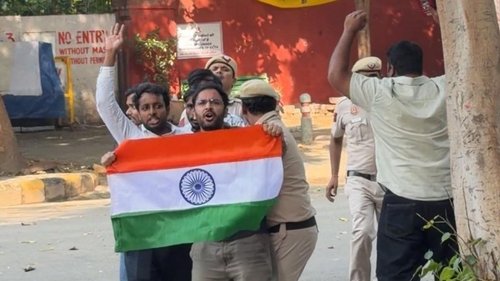
However, this week Delhi Police announced that Jantar Mantar will no longer be a designated protest site. Police barricades will be erected in the coming months, and the authorities will direct demonstrators to three new venues – two out of reach of the Parliament House and a Ramlila Ground that has long charged rental fees that can exceed Rs. 1 million for a single day. This decision aligns with a Supreme Court directive to identify alternate sites with sufficient infrastructure, but it has critics who fear that the move will strip ordinary citizens of a free, accessible platform to demand accountability.
Historian Harleen Kaur points out that Jantar Mantar was simply a consequence of earlier decisions to relocate protest spaces. The 1993 cessation of official demonstrations at the Boat Club lawns shifted the footfall to the site beside the old Parliament, allowing the government to “contain protesting crowds at some distance from the Parliament House” and the Prime Minister’s residence. Since then, successive laws have tightened the controls. A 2017 National Green Tribunal ruling accused the city of inadequate infrastructure after a six‑month protest, prompting a Supreme Court verdict the next year that upheld the right to free assembly.
“It was a place where you could discuss issues with people who came to Delhi from across the country,” says activist Dipa Sinha, who watched the discussion of the National Food Safety Act unfold under banyan canopies.
In 2008, survivors of the 1984 Bhopal gas leak camped at Jantar Mantar for five months, contending with monsoon rains under tarpaulin shelters and living off public conveniences until a commission was formed. Earlier, ex‑soldiers staged a march in 2015 demanding the One Rank One Pension policy went ahead, and activists for the Narmada Bachao Andolan held a 20‑day hunger strike in 2006. Each of these episodes highlights how the site was more than a porch; it was a public forum that could accommodate diverse grievances, from structural reforms to individual injustices.
While the site’s future remains unclear, the Supreme Court is still reviewing petitions that challenge its removal. Opposition leader Rahul Gandhi and CJP leaders have publicly asserted that Jantar Mantar belongs to the people and will be “reclaimed.” As Delhi’s political scene flares up with new forms of youth mobilisation, the question remains: will the silence that now falls over the trees be broken again, or will the spirit of collective dissent retreat into quieter, perhaps costlier arenas? Only time – and the decisions made by the courts – will tell.