Tirayut Wongsantisuk and his wife moved to Chiang Mai in the 2010s, drawn by the hilly region's cool air and lush greenery. However, worsening air quality has prompted them to consider relocating for the sake of their children's health.
Two of their daughters have experienced frequent nosebleeds. I've been thinking, maybe we really should move during this time... because if something bad happens to our child, we'll feel terrible forever, said Tirayut, 41.
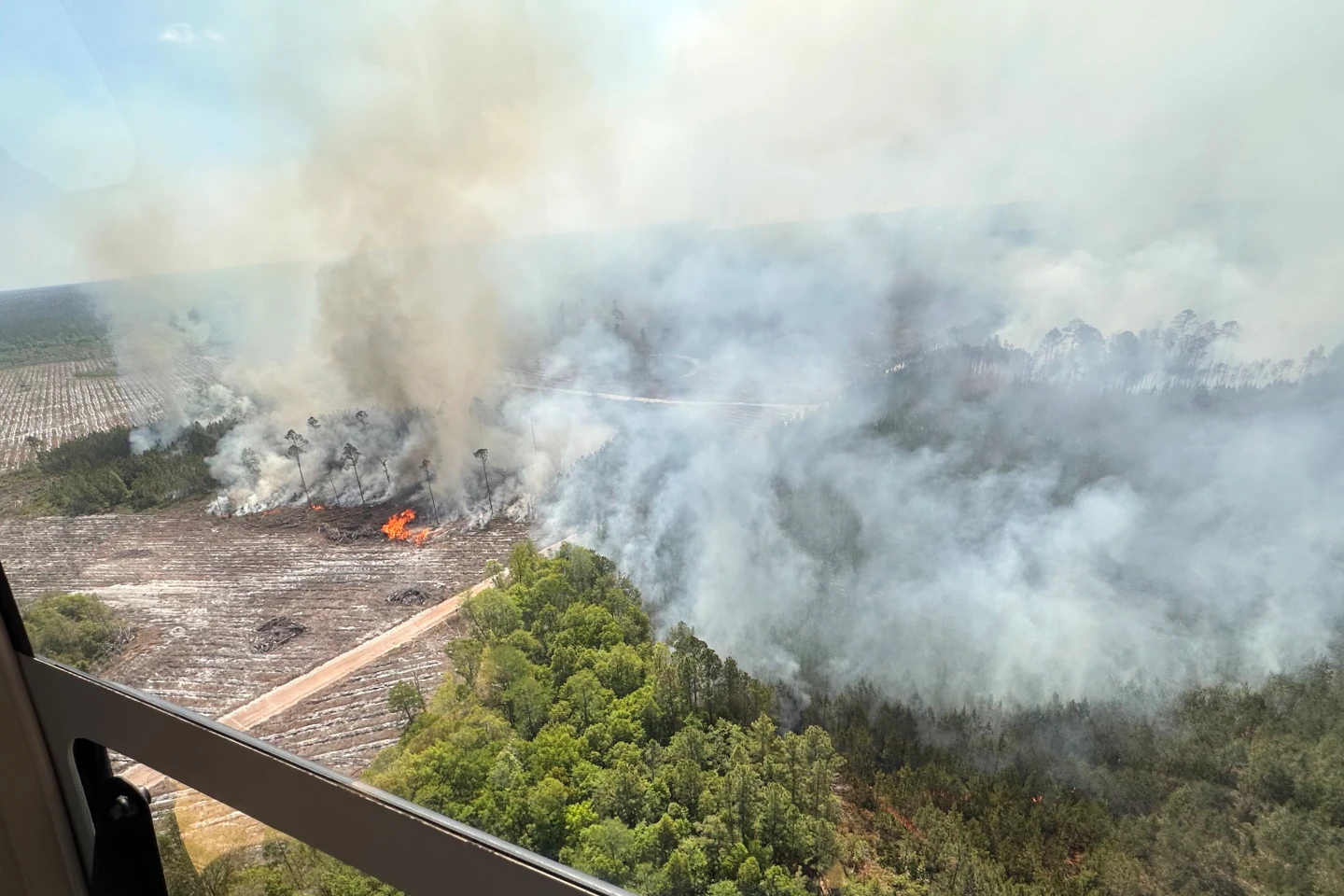
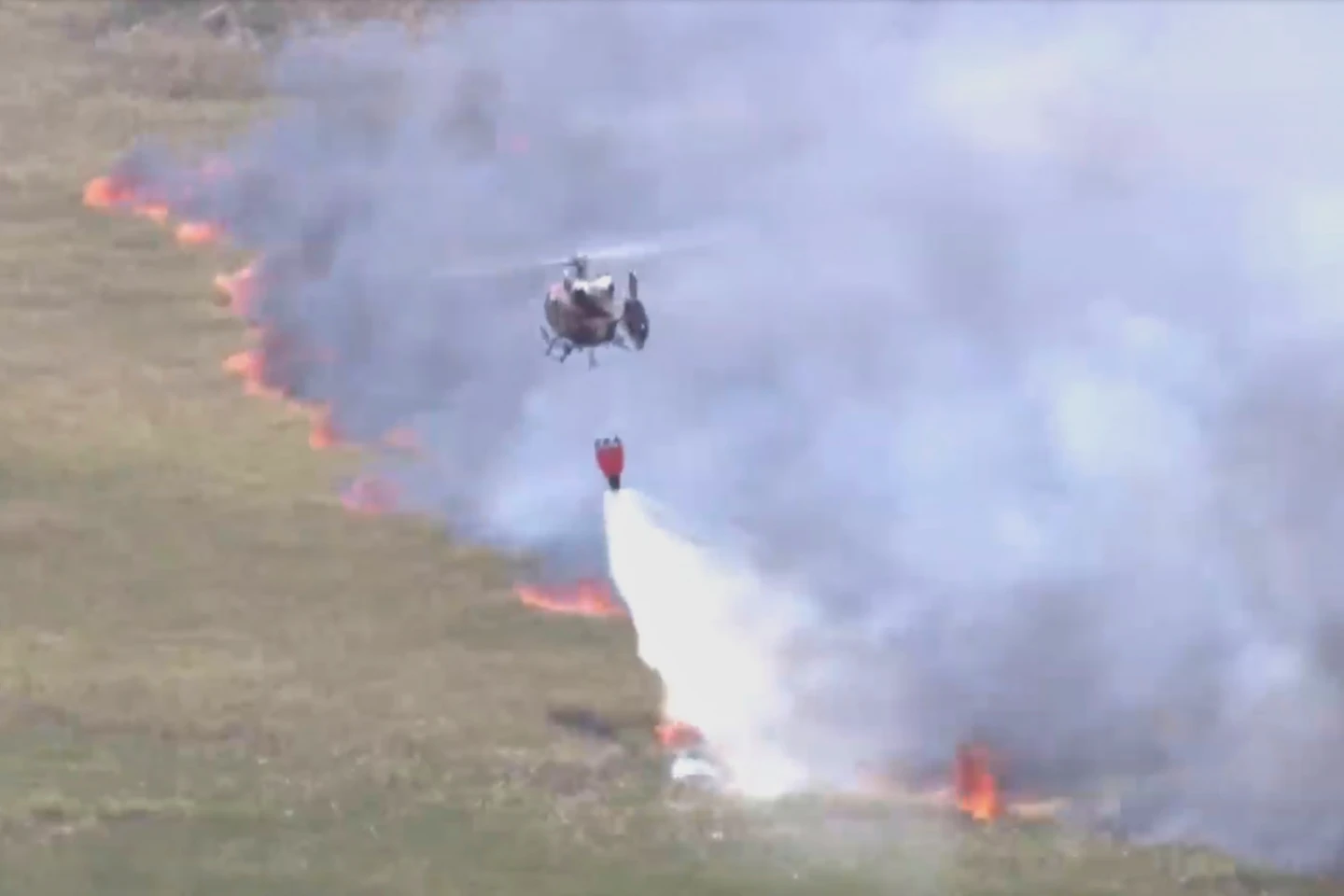
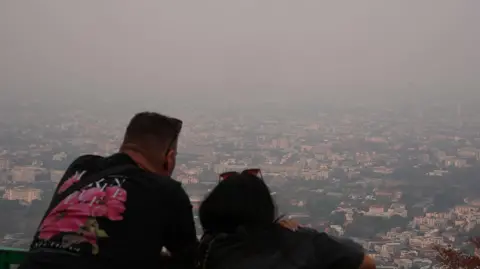
Smoke from raging fires has choked parts of northern Thailand this past week, placing Chiang Mai among the world's most polluted cities, according to monitoring group IQAir. A thick blanket of haze has shrouded the landscape, and satellite data revealed a record number of hotspots across the country.
Currently, Chiang Mai's PM2.5 level is categorized as very unhealthy, leading families to take drastic measures for their health. Benjamas Jaiparkan, a public school teacher, has sent her children to Phayao province, where the air quality is better, expressing worry about her four-year-old son, who has also started to get nosebleeds.
Exposure to the hazardous haze can lead to various health issues, from itchy eyes and nosebleeds to serious respiratory conditions.
Over the years, local activists and residents have filed lawsuits demanding government action against pollution, which they believe compromises public health. With no sustainable solutions implemented yet, families continue to face dire consequences from the ongoing air quality crisis.