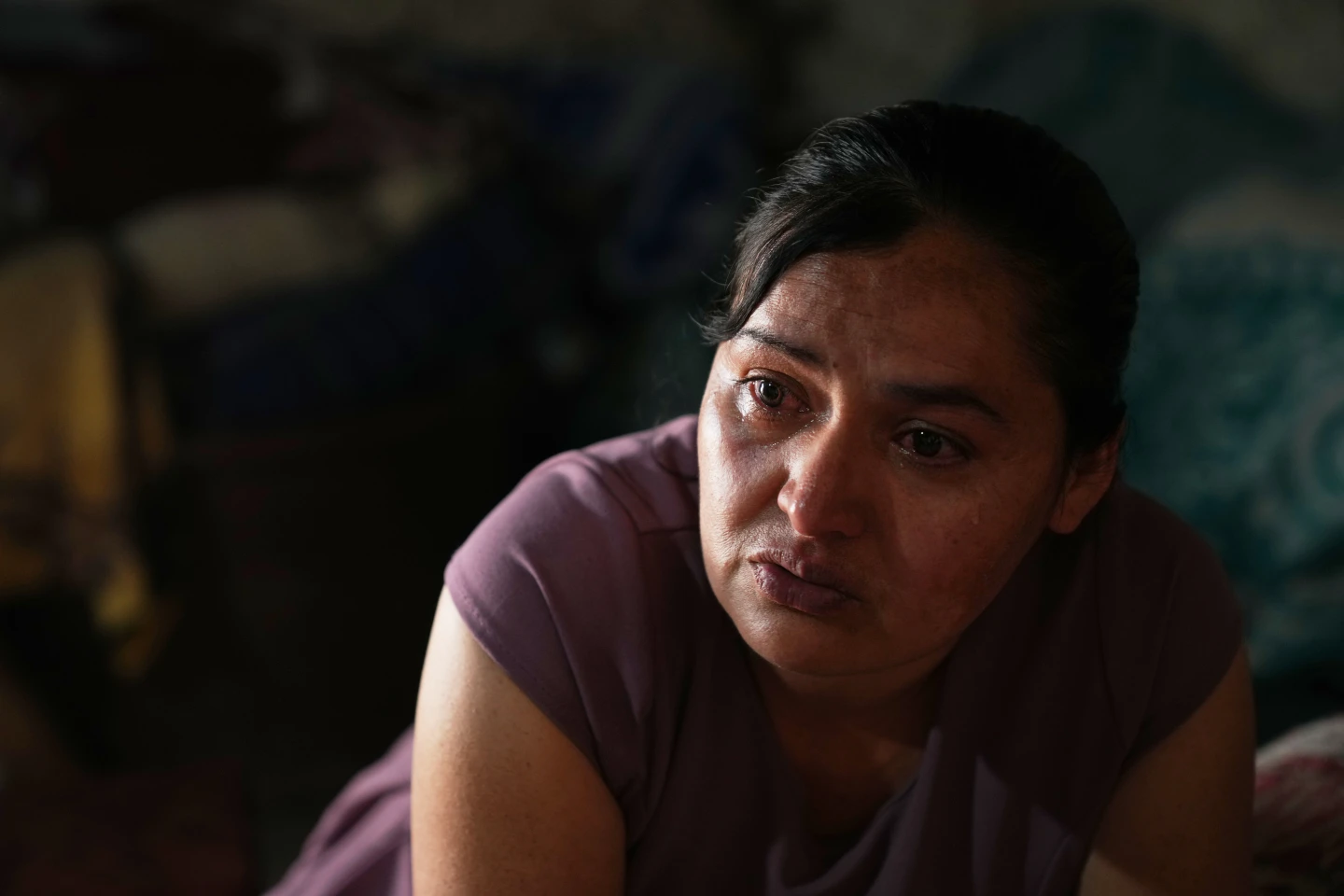
Parents of children with thalassemia in India say they are devastated after life-saving blood transfusions left their children HIV-positive, confronting them with illness, social stigma, and uncertainty.
Thalassemia is a genetic blood disorder that requires regular transfusions to manage severe anaemia and sustain life.
On Wednesday, authorities in central state of Madhya Pradesh said five children with thalassemia, aged three to 15, have tested positive for HIV, prompting concerns over blood transfusion practices. A committee has been set up to investigate the cases.
The families are from Satna district. Although the infections were detected during routine screening between January and May 2025, they drew wider attention after local media reports earlier this week.
The cases follow a similar incident in the eastern state of Jharkhand weeks earlier, where five children with thalassemia, all under eight, were found to have contracted HIV after blood transfusions at a state-run hospital.
HIV, or human immunodeficiency virus, spreads through unprotected sex, unsafe medical practices, infected blood transfusions, or from mother to child during pregnancy, childbirth or breastfeeding.
While no longer a death sentence, it requires lifelong management. In India, more than 2.5 million people live with HIV, with about 66,400 new infections each year. Over 1.6 million are on lifelong treatment at antiretroviral therapy (ART) centres, government data shows.
Satna district collector Satish Kumar S said the five children had received blood transfusions at different locations, involving multiple donors.
Health officials said these included government hospitals and private clinics, and that all the children are now receiving treatment.
In one case, officials said both parents of a three-year-old were HIV positive. In the other cases, the parents tested negative, ruling out mother-to-child transmission.
Satna's chief medical and health officer Manoj Shukla said children with multiple transfusions are considered high-risk and are routinely screened for HIV.
Once detected, treatment was started immediately and is continuing. At present, the children are stable, he said.
Every unit of blood issued by the district hospital's blood bank is tested according to government protocol and released only after a negative report, Dr. Shukla says.
However, in rare cases, blood donors who are in the early stages of HIV infection may go undetected during initial screenings but test positive later, he adds.
Cases of thalassemia patients contracting HIV during treatment are not new in India.
Last week, thalassemia patients urged India's parliament to pass the National Blood Transfusion Bill 2025, saying it would strengthen regulation of blood collection, testing, and transfusion.
Campaigners, including patients who contracted HIV through unsafe transfusions, called the bill a long-awaited step towards safer, quality-assured blood for those reliant on frequent transfusions.