As protests against the Iranian government intensify, reports are emerging of grievous injuries sustained by demonstrators, many of whom avoid seeking conventional medical treatment due to fears of arrest. Tara, a protester, recounted her terrifying experience during a protest in Isfahan when security forces opened fire on the crowd. After this, she and her wounded friend were reluctant to go to a hospital, fearing imprisonment. Instead, they sought refuge in a local couple’s home, where they received basic medical care.
Health officials have reported a significant number of injuries; the US-based Human Rights Activists News Agency (HRANA) confirms thousands killed or wounded amid the crackdowns. Volunteer doctors and nurses are risking their lives to provide clandestine treatment. Some health workers have indicated that hospitals are being monitored by security forces, who are keen to identify and detain injured protesters.
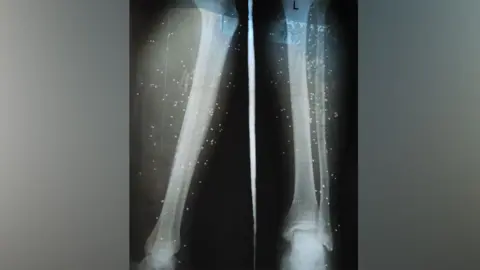
Surgeons like Nima are working under extreme conditions, performing operations on young protesters injured by live ammunition. One surgeon remarked on the emotional toll of operating for 96 hours straight without sleep as they fought to save lives against the backdrop of state violence.
As healthcare workers are themselves targeted for their acts of compassion, the situation underscores a chilling reality in Iran: the risks faced by both those protesting and those seeking to assist them. Some injured individuals go so far as to ask medical professionals to downplay or omit references to gunshot wounds in their records.
This tragic scenario reveals the desperate circumstances under which even the most basic healthcare must be navigated in Iran, where fear of repression looms large over every act of defiance.
Health officials have reported a significant number of injuries; the US-based Human Rights Activists News Agency (HRANA) confirms thousands killed or wounded amid the crackdowns. Volunteer doctors and nurses are risking their lives to provide clandestine treatment. Some health workers have indicated that hospitals are being monitored by security forces, who are keen to identify and detain injured protesters.
Surgeons like Nima are working under extreme conditions, performing operations on young protesters injured by live ammunition. One surgeon remarked on the emotional toll of operating for 96 hours straight without sleep as they fought to save lives against the backdrop of state violence.
As healthcare workers are themselves targeted for their acts of compassion, the situation underscores a chilling reality in Iran: the risks faced by both those protesting and those seeking to assist them. Some injured individuals go so far as to ask medical professionals to downplay or omit references to gunshot wounds in their records.
This tragic scenario reveals the desperate circumstances under which even the most basic healthcare must be navigated in Iran, where fear of repression looms large over every act of defiance.