The Trump administration has officially announced a freeze on social safety net funds targeting states that provide essential services to low-income families. This action affects the Child Care and Development Fund, Temporary Assistance for Needy Families, and the Social Services Block Grant.
According to the administration, the freeze is part of an effort to address alleged fraud within the system. However, officials from California, Colorado, Illinois, Minnesota, and New York contend that this move is politically motivated and jeopardizes the well-being of children and families relying on these assistance programs.
While the government has cited reasons for suspecting these states of fraud, it has not elaborated on these allegations, leading to criticism from state leaders who argue that their communities are being unfairly targeted. They assert that the freeze creates immediate budgetary uncertainty, potentially placing critical services in jeopardy.
In light of this situation, five affected states have filed a lawsuit against the federal government, contesting the legality of the freeze. They claim that such actions violate established governmental procedures and could lead to significant delays in the release of funds crucial for supporting vulnerable populations.
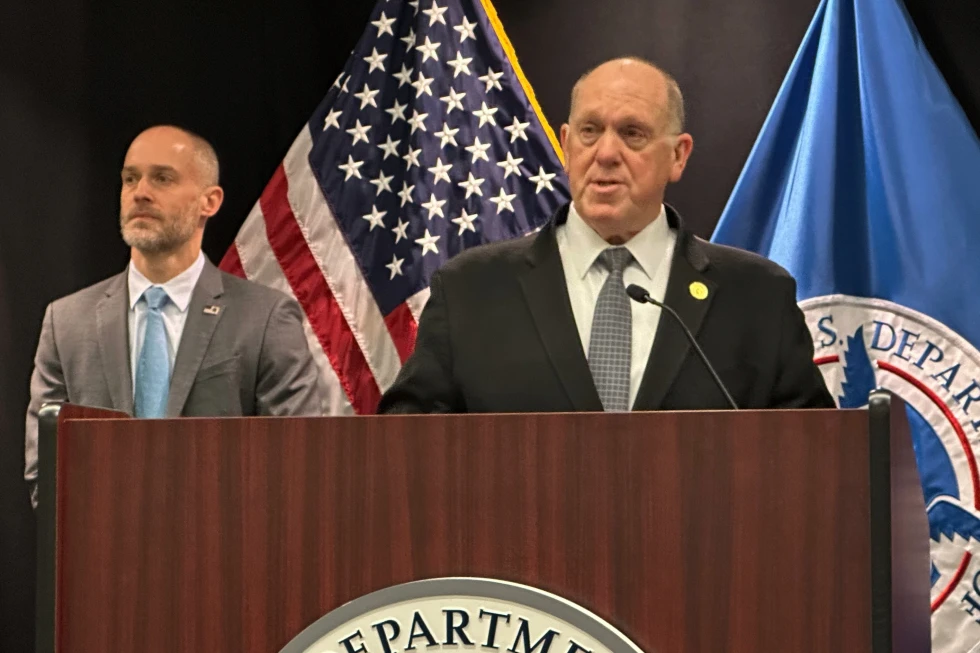
The Department of Health and Human Services has demanded extensive information from these states, including properties of beneficiaries and operational details for child care programs. This requirement has raised concerns over the practicality of compliance, particularly as many states do not currently track the level of detail requested.
As the situation unfolds, the impact on families needing support remains worrisome. Critics argue that the freeze could result in disruptions in services, including closures of child care facilities which would further disadvantage families that rely on these essential supports.
Governor Kathy Hochul of New York and other state leaders condemn what they describe as a harmful approach by the administration, emphasizing that the narrative of fraud lacks substantiation. They maintain that their focus should remain on serving communities rather than engaging in partisan conflicts. As this case progresses through the courts, citizens and families await clarity on the future of these vital services.